
World Mental Health Day: Raising Awareness, Breaking Stigma, and Prioritizing Well-Being
Introduction to World Mental Health Day
Observed annually on October 10th, World Mental Health Day is a vital global initiative dedicated to raising awareness of mental health issues, reducing social stigmas, and mobilizing collective support for psychological well-being worldwide. First organized in 1992 by the World Federation for Mental Health (WFMH), this day provides a unified platform for governments, healthcare professionals, advocates, and communities to discuss what has been achieved and what must still be done to make quality mental healthcare a reality for people everywhere.
The Historical Origin and Purpose
The journey toward establishing a dedicated international day for mental health arose from an urgent need to bring psychological well-being out of the shadows of neglect and misunderstanding.
Global Launch: Initiated in 1992, the observance began as an annual broadcast and awareness effort involving various global partners and members of the WFMH.
Core Objectives: The primary goal is to educate the public, dismantle harmful stereotypes associated with psychiatric conditions, and ensure that mental health receives the same priority, funding, and compassion as physical health.
Understanding the Scope of Mental Health
Mental health encompasses our emotional, psychological, and social well-being, directly influencing how we think, feel, act, handle stress, relate to others, and make choices.
Prevalence of Disorders: Conditions such as generalized anxiety disorder, clinical depression, panic disorders, and obsessive-compulsive disorder (OCD) affect millions of people across all age groups and socioeconomic backgrounds.
The Impact of Stigma: Historically, fear of judgment or social ostracization has prevented individuals from seeking timely help. Open conversations play a critical role in normalizing psychological struggles and encouraging early intervention.
Empowering Lived Experiences
Each year, global campaigns focus on specific dimensions of psychological care to guide public discourse and policy reform:
Real Voices, Real Change: Modern advocacy emphasizes that mental health policies and services must be shaped with the people who experience them firsthand, rather than just for them.
Peer Support Systems: Recognizing the profound insights brought by individuals with lived experience helps healthcare systems build more respectful, responsive, and accessible recovery models.
Actionable Steps: Supporting Mental Well-Being Daily
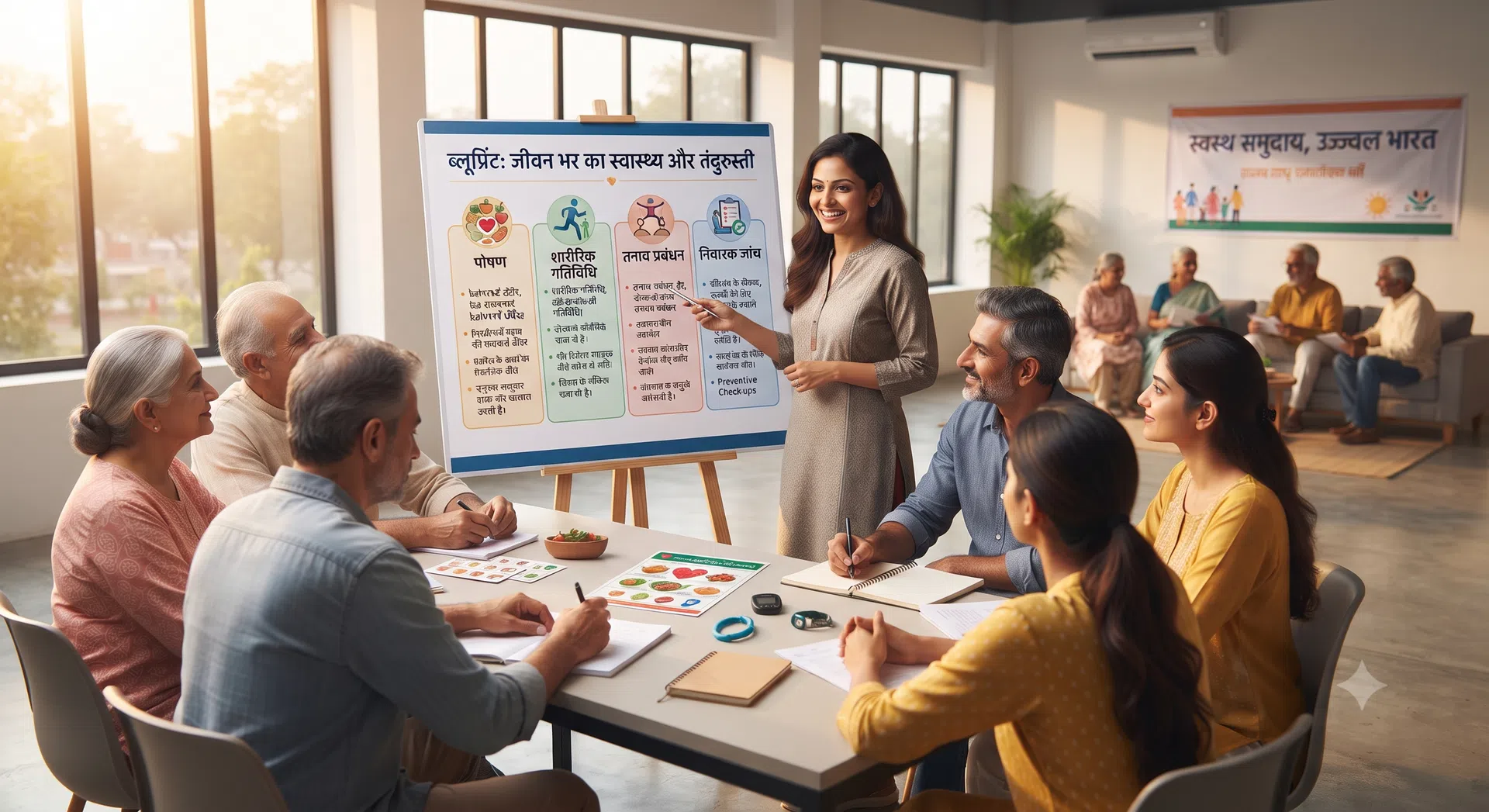
Promoting mental health requires consistent, daily habits and compassionate community structures rather than just a once-a-year acknowledgment:
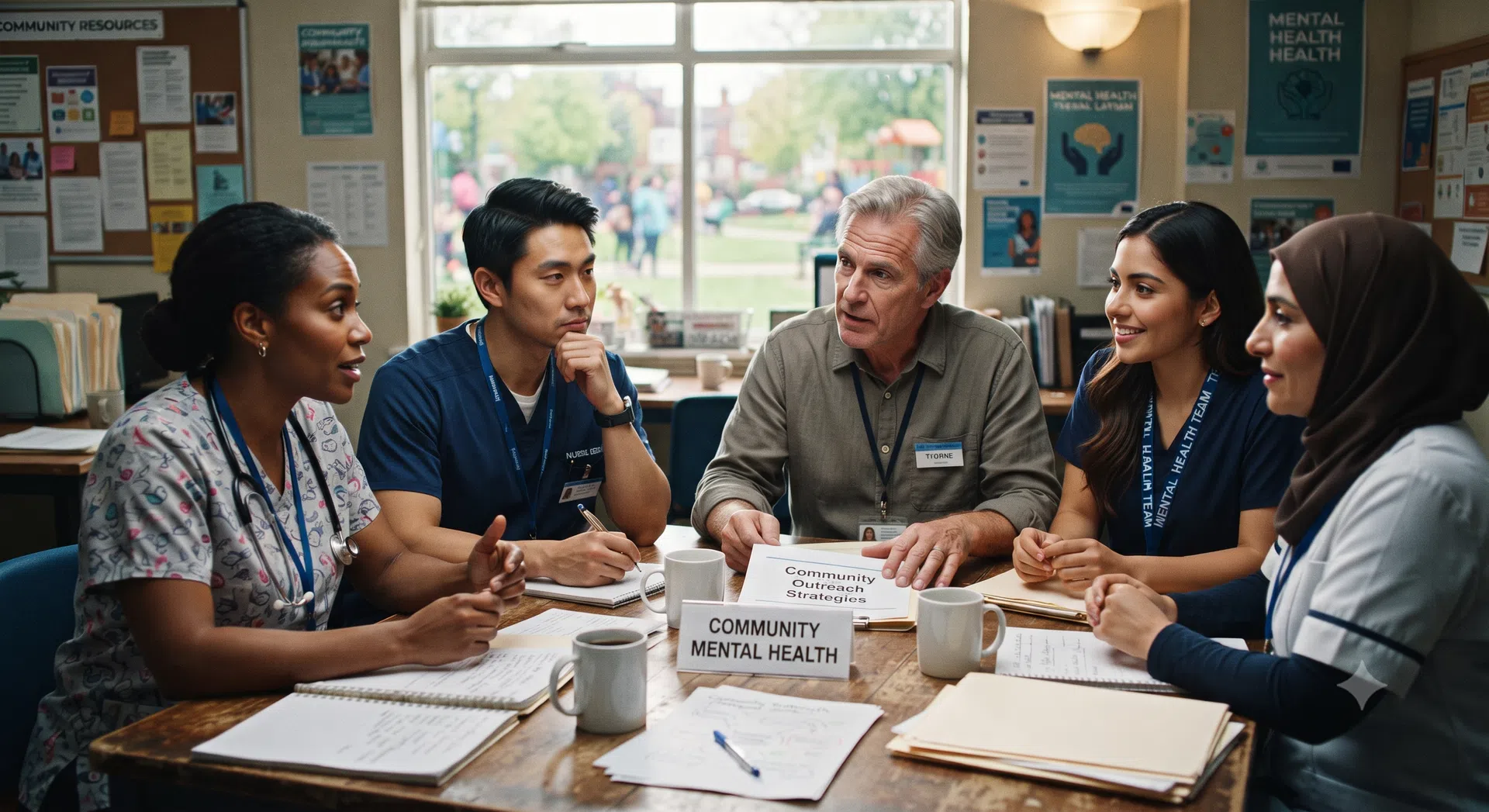
Active Listening: Creating safe, non-judgmental spaces for friends, family members, or colleagues to express their feelings without immediate interruption or dismissal.
Prioritizing Self-Care: Maintaining balanced sleep routines, regular physical activity, and mindful stress-management techniques to support overall emotional resilience.
Seeking Professional Guidance: Encouraging timely consultations with licensed counselors, psychologists, or psychiatrists when emotional challenges begin to interfere with daily life.
A Shared Global Responsibility
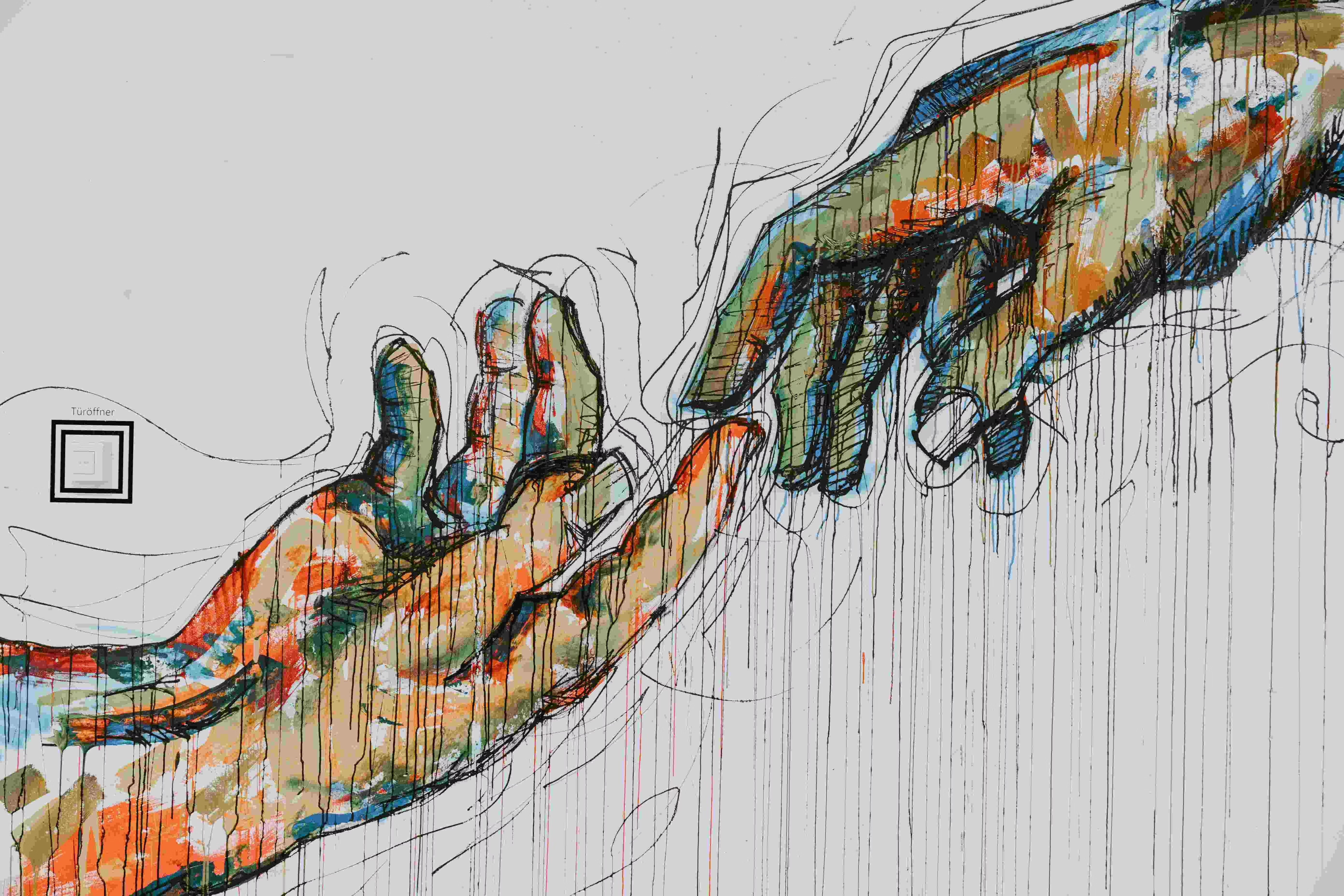
By fostering open dialogues, supporting accessible treatment, and listening to real voices, society can build a compassionate environment where no one has to navigate psychological distress alone.