
What Are Allied Health Sciences? - A Guide by AIPH University
Modern healthcare is rarely a solo endeavor performed by a single physician. Behind every successful diagnosis, surgical intervention, and patient recovery lies an intricate ecosystem of specialized professionals working in tandem. Among the most critical pillars of this ecosystem are the Allied Health Sciences. These dynamic disciplines bridge the gap between medicine, technology, and patient care, forming the invisible backbone of modern clinical environments.
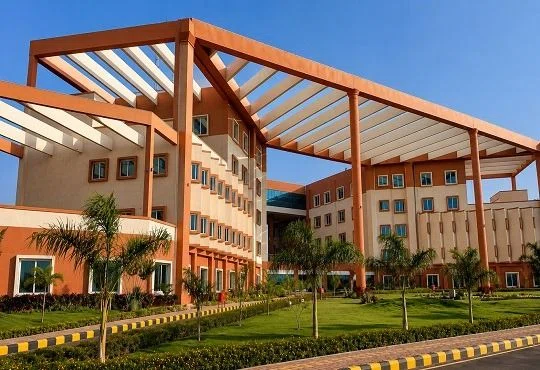
As healthcare demands surge across India—particularly in expanding medical hubs like Odisha—understanding the scope and impact of allied health professions has never been more important. At institutions like AIPH University in Bhubaneswar, allied health education is engineered to meet these growing industry needs head-on, producing skilled professionals ready to step directly into clinical leadership roles.
Understanding Allied Health Sciences
Allied health professionals are distinct from physicians and nurses, yet they work alongside them to deliver comprehensive patient care. They encompass a diverse group of clinical practitioners, technicians, therapists, and scientists who evaluate, diagnose, treat, and prevent acute and chronic disorders.
Rather than focusing solely on general medical theory, allied health education centers on specialized technical execution. Whether it involves operating sophisticated magnetic resonance imaging (MRI) machines, analyzing cellular pathology samples, or rehabilitating a patient through targeted physical therapy, these careers require rigorous, hands-on scientific training.
Why Allied Health Professionals Are in High Demand
The healthcare landscape is undergoing a massive shift driven by technological innovation and an increased focus on precision medicine. Several key factors fuel the soaring demand for trained allied health graduates:
Technological Advancement: Modern hospitals rely heavily on advanced diagnostic and therapeutic equipment that requires expert handling and interpretation.
Rise in Chronic Illnesses: As lifestyle diseases and complex pathologies increase, multidisciplinary care teams are required to manage long-term patient recovery and rehabilitation.
Healthcare Infrastructure Expansion: The rapid proliferation of multi-specialty hospitals, trauma centers, and diagnostic laboratories across Eastern India has created a structural shortage of qualified clinical technicians and therapists.
Core Disciplines Under the Allied Health Umbrella
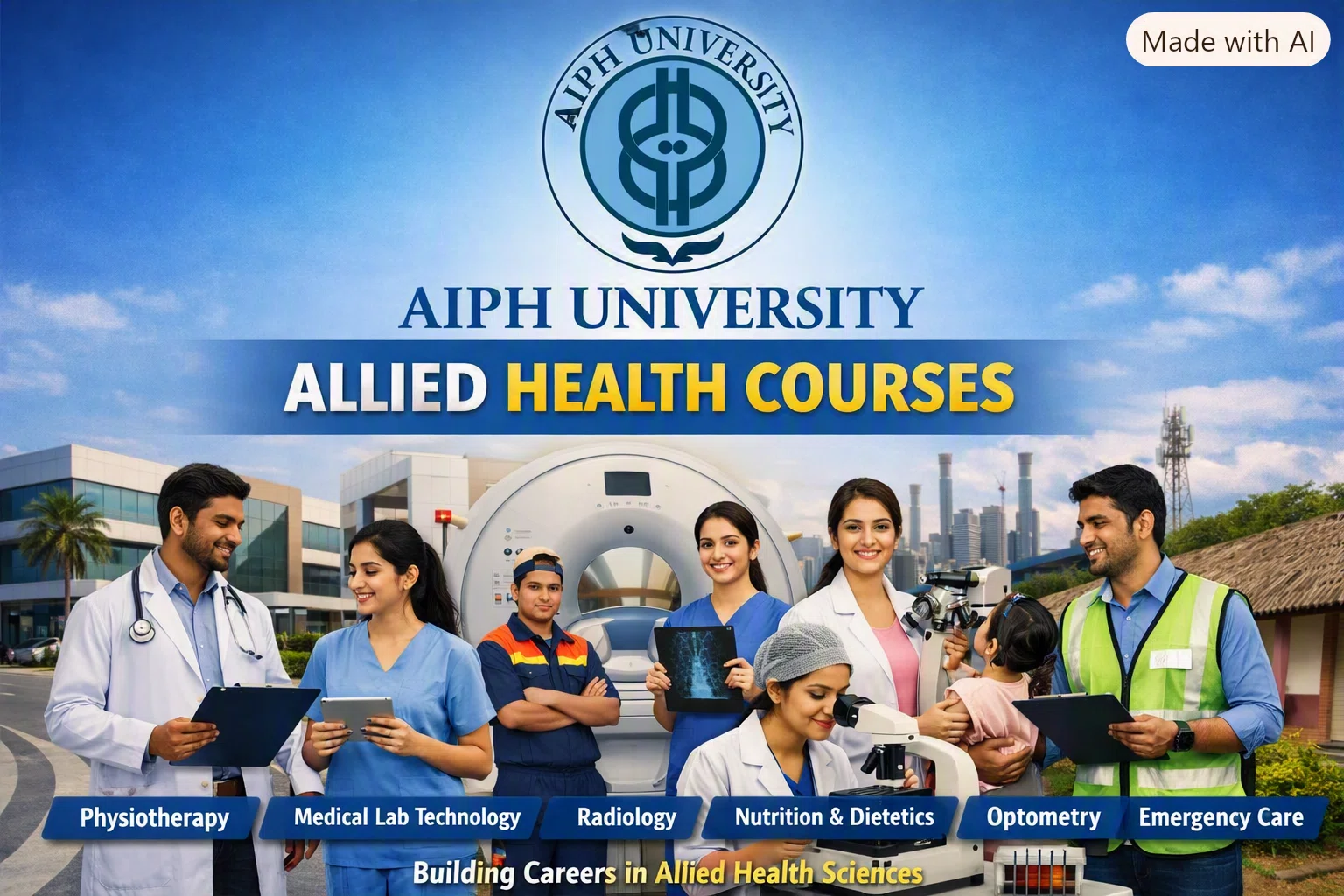
The scope of allied health is vast, covering multiple specialized branches. Academic institutions structure their programs to provide deep domain expertise in these critical areas:
1. Medical Laboratory Technology (BMLT)
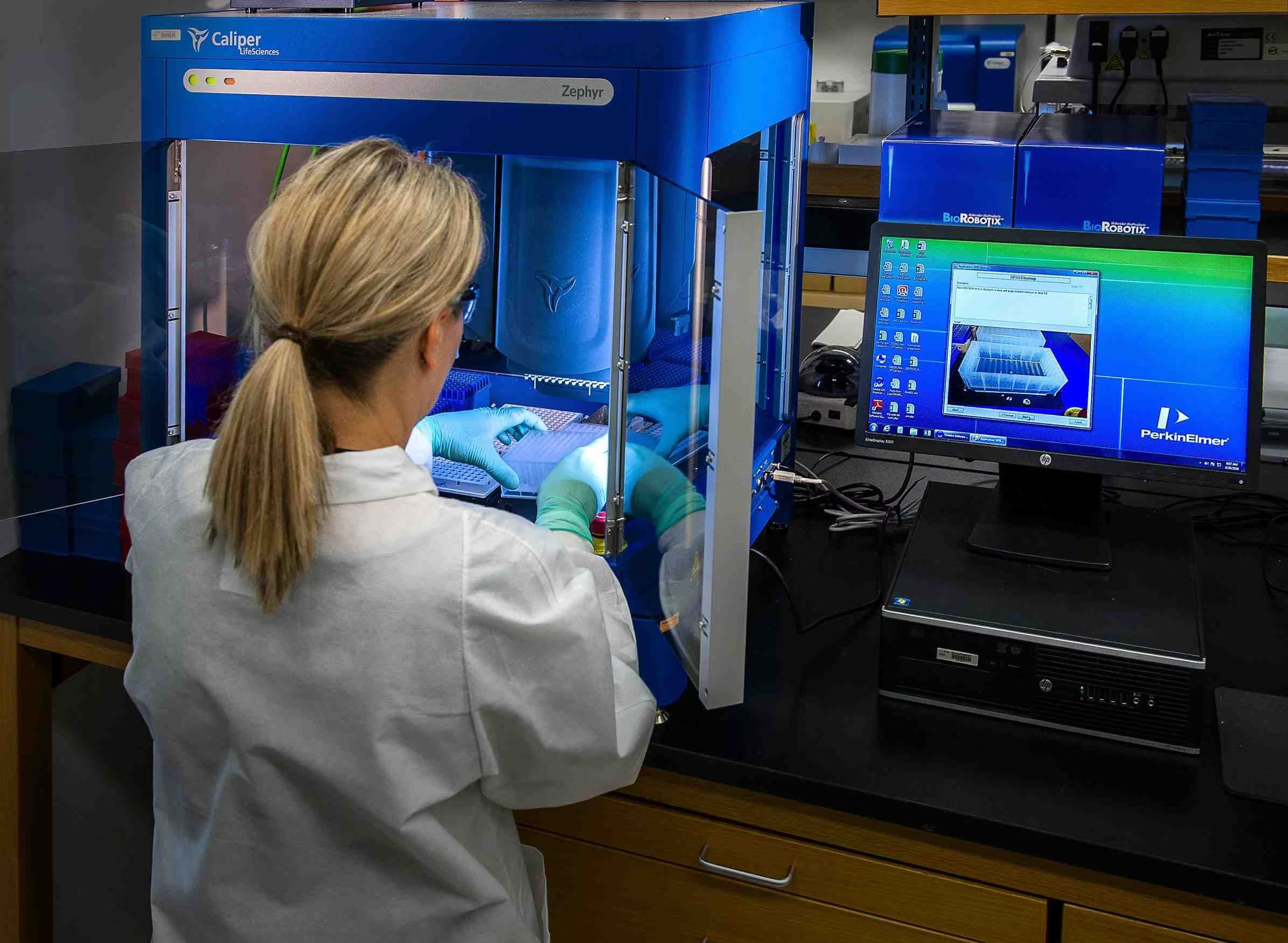
Diagnostic accuracy dictates treatment success. Medical laboratory technologists are trained to analyze blood, tissue, and other bodily fluids using advanced instrumentation. Their work uncovers vital markers for infectious diseases, metabolic disorders, and malignancies.
2. Physiotherapy and Rehabilitation (BPT & MPT)
Physical therapists restore mobility and functionality to patients suffering from trauma, neurological disorders, or orthopedic injuries. Specializations in orthopedics, sports medicine, and neurology equip therapists to design customized rehabilitation regimens that accelerate recovery.
3. Nursing and Clinical Care
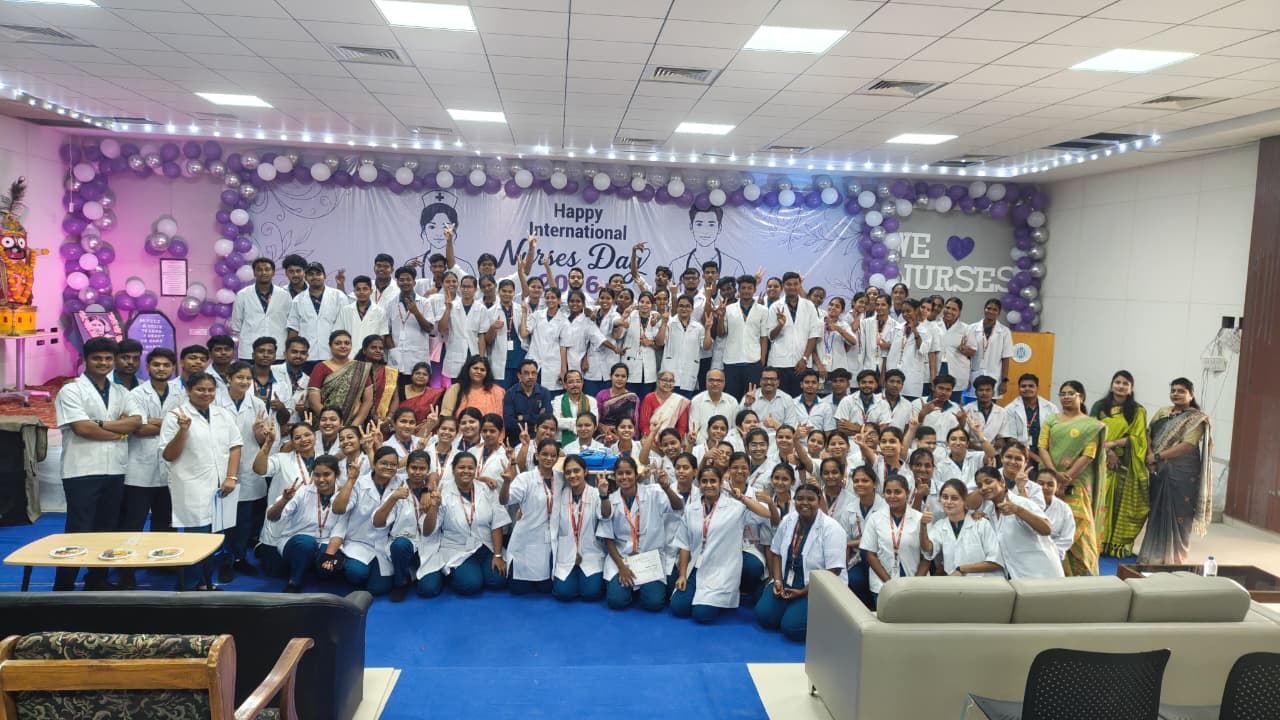
Professional nursing serves as the frontline of continuous patient care. Rigorous programs combine anatomical sciences, pharmacology, and practical clinical rotations to prepare practitioners for high-pressure hospital wards and critical care units.
4. Biological and Molecular Sciences
Underpinning clinical practice is rigorous scientific research. Disciplines such as microbiology, biochemistry, and virology train students to understand disease vectors, antibiotic resistance, and cellular pathology at a molecular level.
AIPH University: Shaping the Next Generation of Clinical Experts
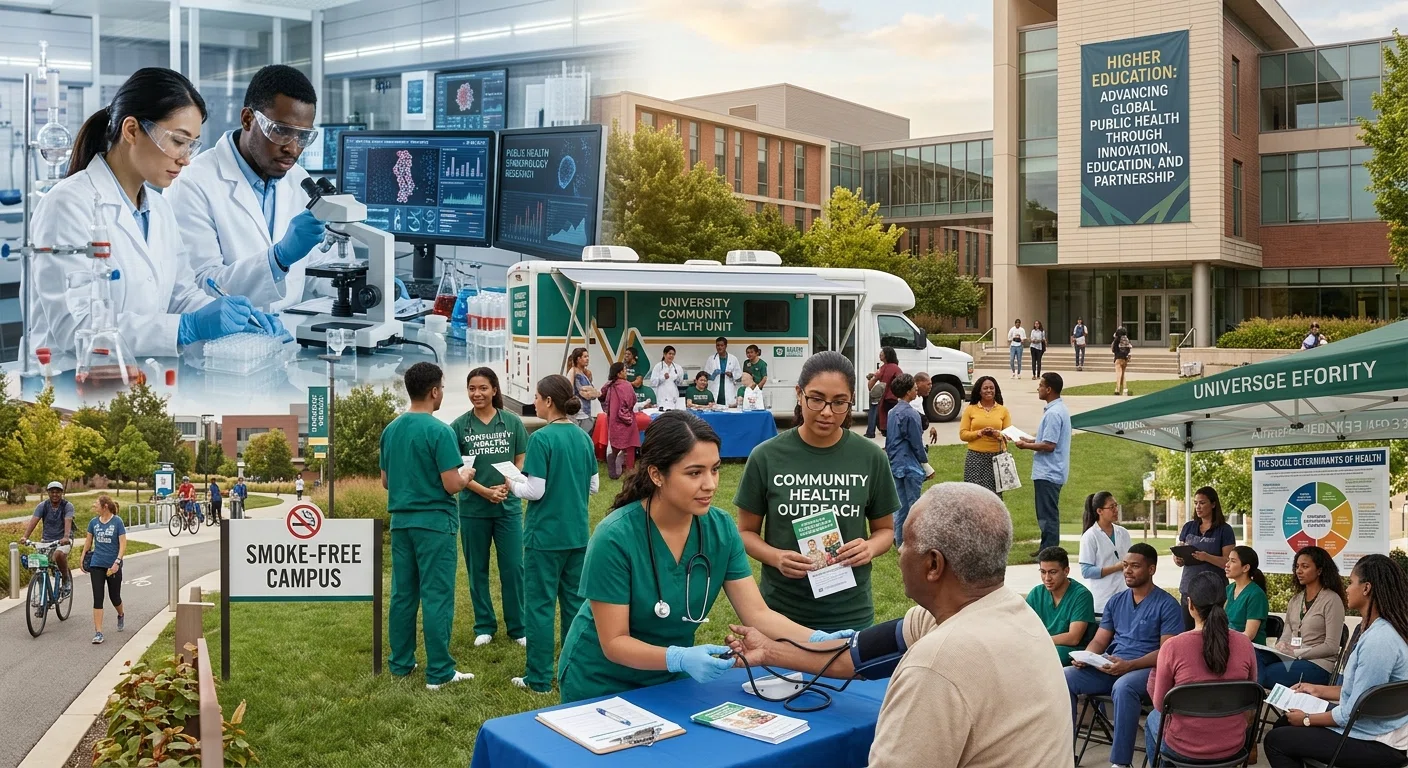
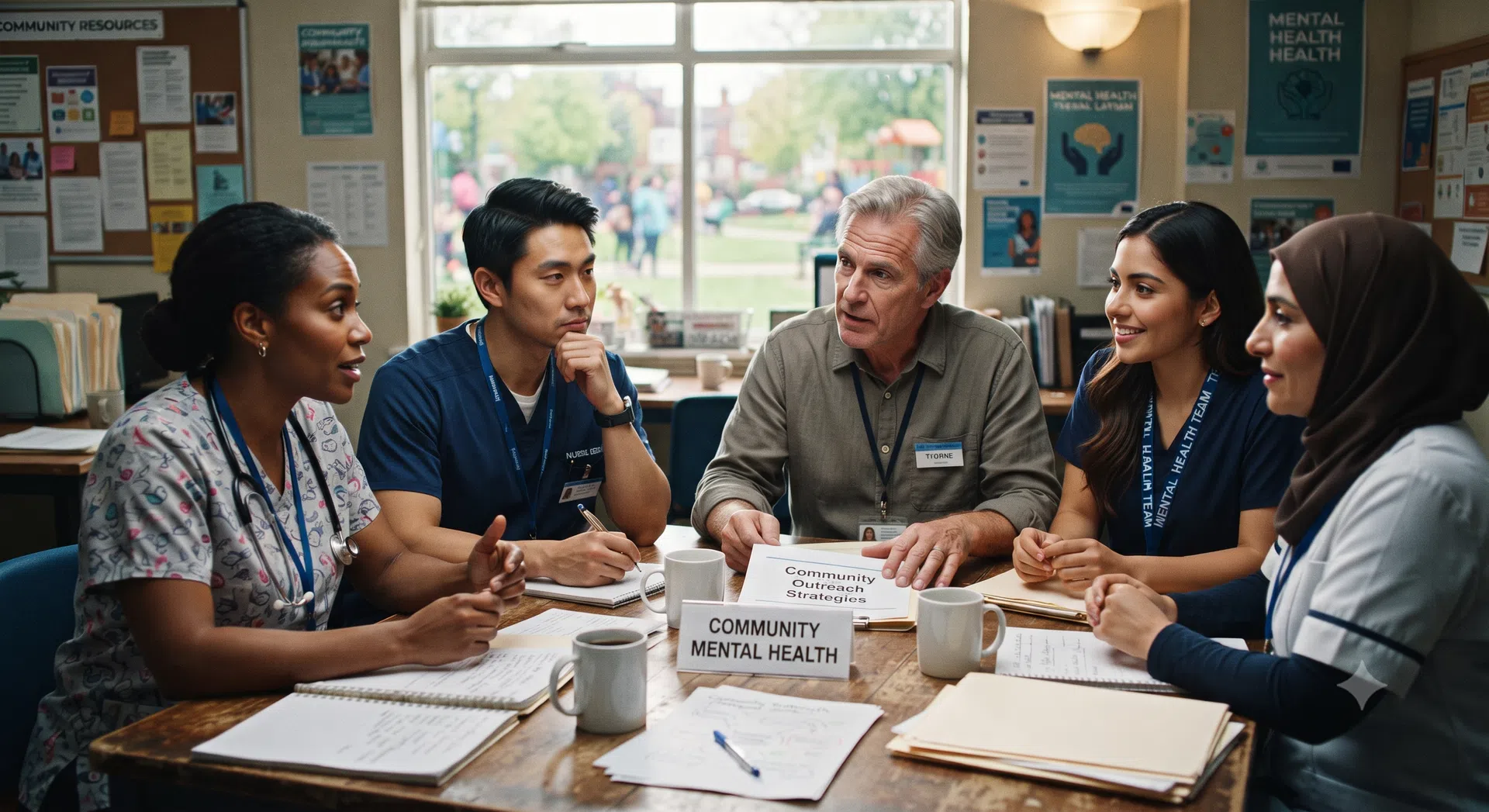
Recognizing the critical shortage of skilled practitioners, AIPH University has established itself as a premier destination for allied health and life sciences education in Odisha. The university's curriculum breaks away from traditional rote learning by embedding intensive clinical rotations, high-tech laboratory work, and community health exposure directly into the academic calendar.
Students train alongside experienced clinicians and researchers, gaining direct exposure to hospital environments from day one. This immersive pedagogy ensures that graduates do not just understand textbook concepts, but master the practical tools required in modern operating rooms, diagnostic labs, and rehabilitation centers.
Charting a Rewarding Professional Path
Choosing a career in Allied Health Sciences means stepping into a recession-proof, high-impact employment sector. It offers diverse pathways, rapid career progression, and the profound satisfaction of directly contributing to patient recovery and public health. For aspiring students in Odisha and beyond, pursuing an allied health education at a forward-thinking institution like AIPH University provides the ideal launchpad for a resilient and fulfilling professional future.