
Rashtriya Ekta Diwas: Significance, History, and Celebration
Introduction to National Unity Day
National Unity Day, known widely in India as Rashtriya Ekta Diwas, is observed annually on October 31st. Established by the Government of India in 2014, this momentous day commemorates the birth anniversary of Sardar Vallabhbhai Patel, the founding Iron Man of India and its first Deputy Prime Minister and Home Minister. Rashtriya Ekta Diwas serves as a powerful reminder of Patel’s extraordinary statesman-like vision, unwavering grit, and monumental contribution to integrating over 565 princely states into a unified, sovereign Indian Republic.
The Historic Legacy of Sardar Vallabhbhai Patel
To understand the core essence of National Unity Day, one must look back at the monumental challenges India faced immediately following independence in August 1947.
The Fragmentation Challenge: The British withdrawal left the Indian subcontinent fractured into hundreds of semi-autonomous princely states and British provinces, threatening the very survival of a united nation.
The Iron Resolve: Through a masterful blend of diplomatic persuasion, political acumen, and unyielding firmness—backed when necessary by the prospect of state integration—Sardar Patel successfully persuaded or negotiated the accession of nearly all princely states into the Indian Union.
Architect of Modern India: Without his resolute leadership, administrative genius, and commitment to national sovereignty, the geopolitical map of modern India as we know it today would not exist. Honoring him on Unity Day acknowledges that national integration is a continuous, living responsibility for every citizen.
Core Objectives and Significance of Rashtriya Ekta Diwas
National Unity Day is designed to foster a deep sense of patriotism, psychological solidarity, and civic consciousness across a diverse nation:
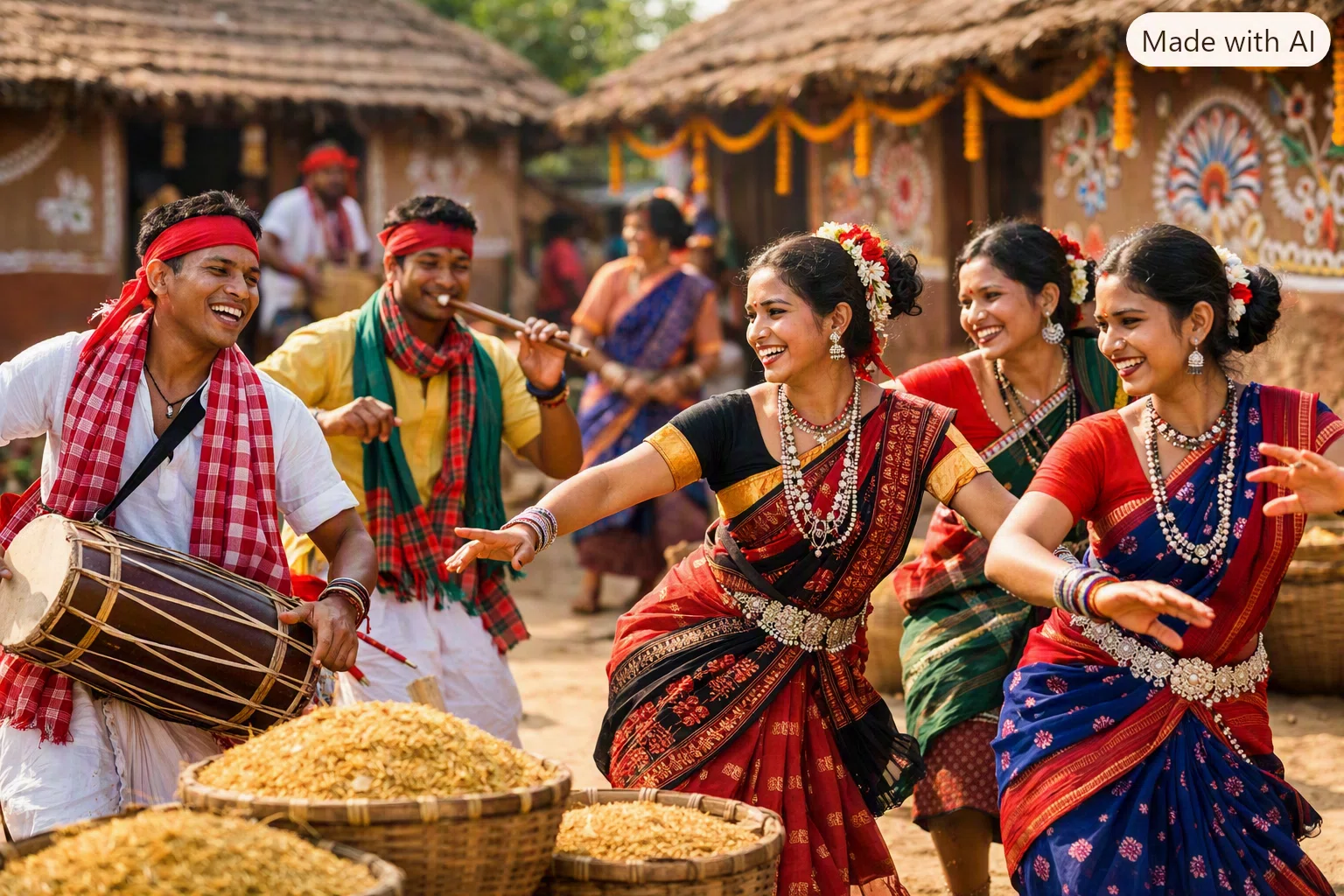
Reinforcing Inter-Cultural Harmony: India’s strength lies in its profound cultural, linguistic, and regional diversity. Rashtriya Ekta Diwas encourages citizens to look past differences and celebrate shared national values.
Safeguarding Integrity: The day serves as an annual pledge to protect and preserve the unity, integrity, and security of the nation against internal and external divisive forces.
Inspiring Youth: By studying Sardar Patel's life, younger generations learn the importance of courage, decisiveness, and selfless service to the motherland.
Major Rituals, Events, and Nationwide Celebrations
Across India, Rashtriya Ekta Diwas is observed with structured patriotic programs, public pledges, and massive community events:
Run for Unity: One of the most prominent traditions associated with the day is the "Run for Unity", a mass public marathon organized across cities, towns, and villages. Thousands of citizens of all ages participate to symbolize physical strength, collective momentum, and national harmony.
The National Unity Pledge (Rashtriya Ekta Shapath): Schools, universities, government offices, and corporate organizations host special assemblies where participants take a solemn pledge to dedicate themselves to preserving the unity and security of the nation.
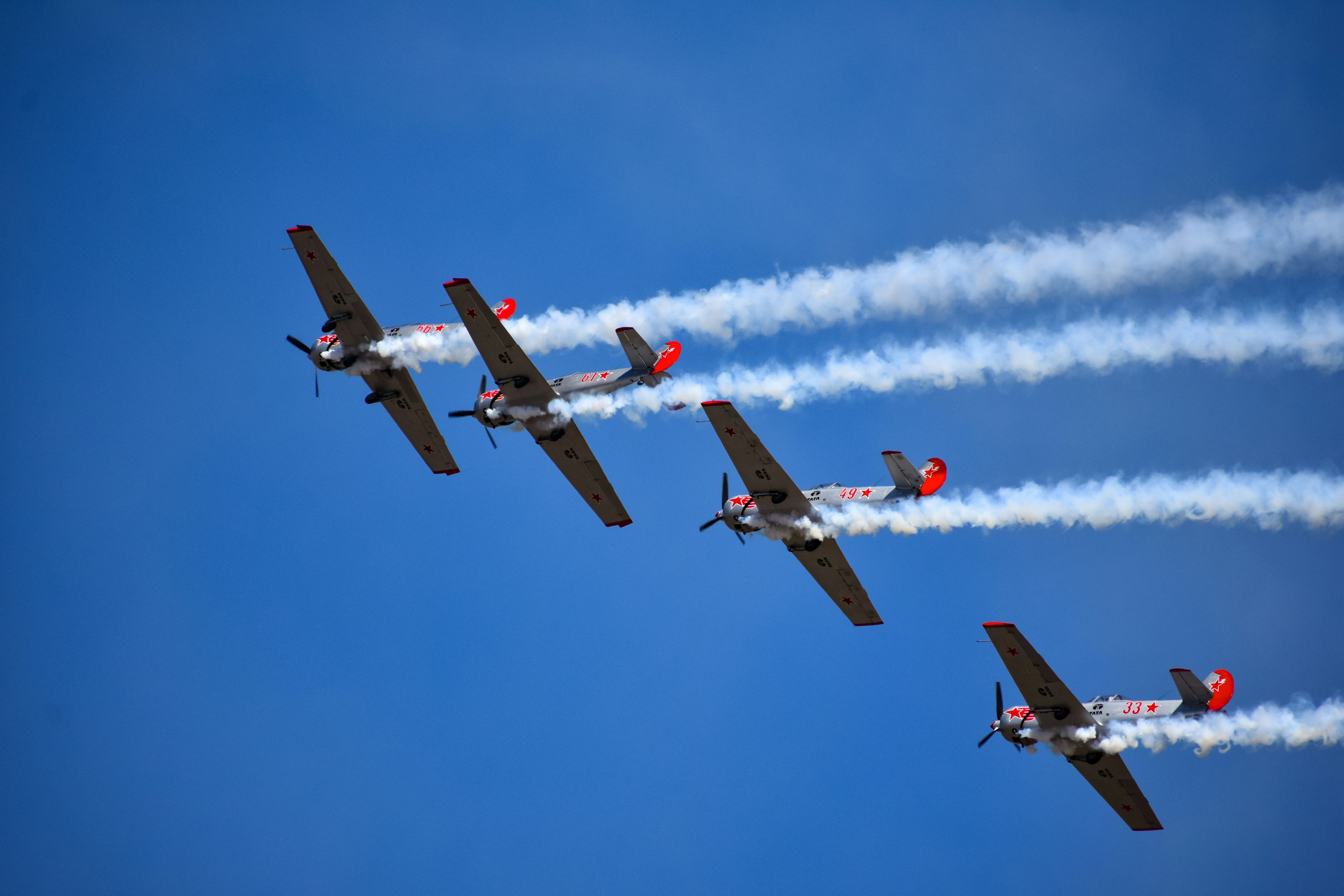
Parades and Police Displays: Given Sardar Patel's foundational role in shaping India's civil services and police structure, security forces—including the Central Reserve Police Force (CRPF) and state police departments—organize ceremonial parades, march-pasts, and spectacular tactical displays.
Upholding the Spirit of Ek Bharat, Shreshtha Bharat
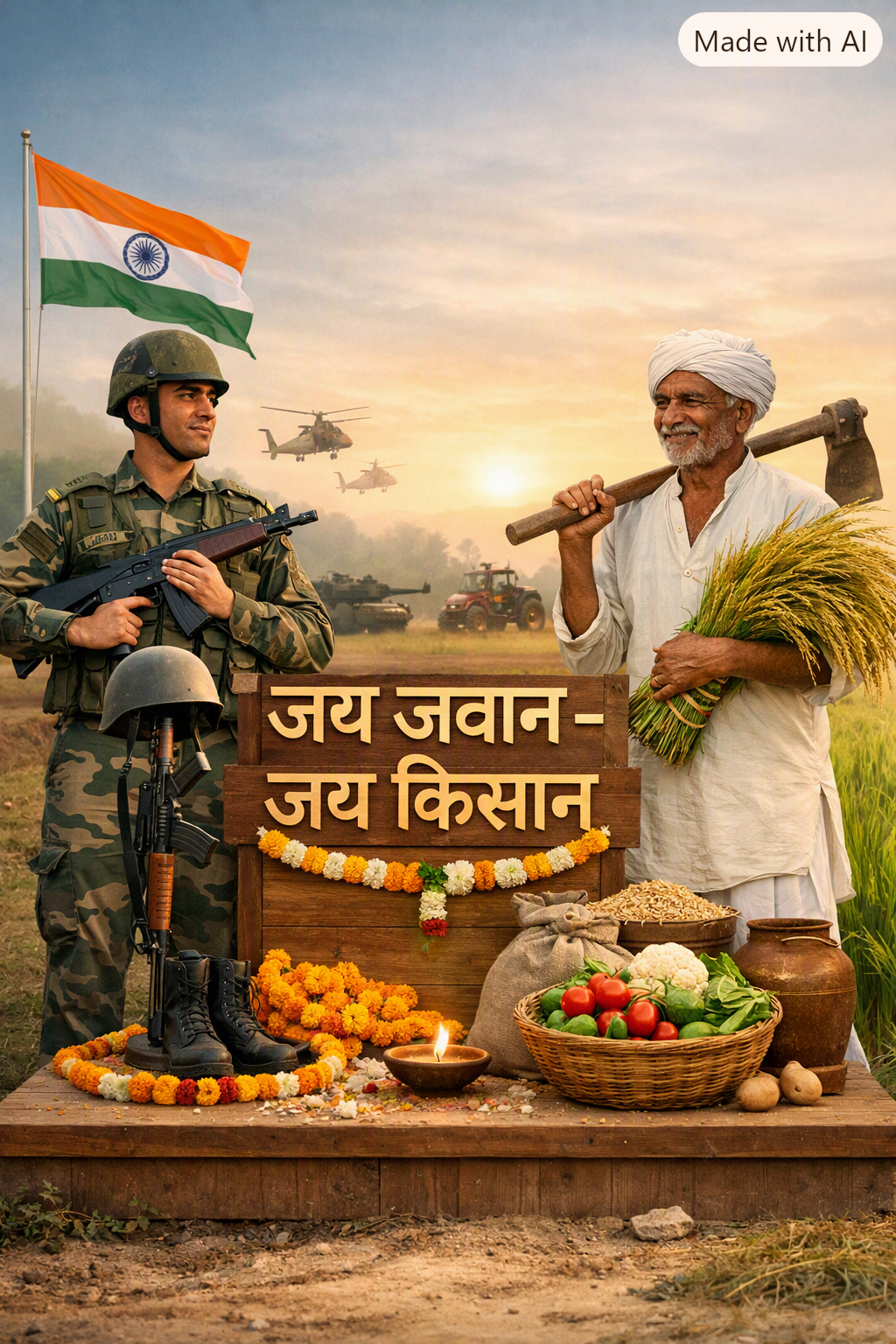
National Unity Day is much more than a historical anniversary; it is a vibrant call to action for every Indian. Under the guiding philosophy of Ek Bharat, Shreshtha Bharat (One India, Great India), Rashtriya Ekta Diwas challenges citizens to honor Sardar Vallabhbhai Patel's legacy by building an inclusive, cohesive, and resilient nation where diversity is celebrated and national unity remains unbreakable.