
Remembering the Legacy of the Father of the Nation
Introduction to Gandhi Jayanti
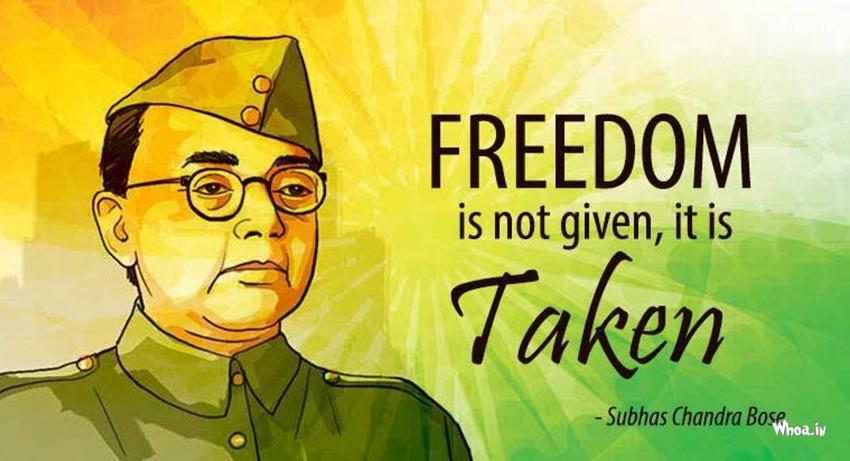
Gandhi Jayanti is one of India's most revered national festivals, celebrated annually on October 2nd to mark the birth anniversary of Mohandas Karamchand Gandhi, universally known as Mahatma Gandhi or the Father of the Nation. Declared as one of India's three national holidays—alongside Independence Day and Republic Day—this day transcends political and regional boundaries. It serves as a nationwide moment of reflection on the timeless philosophies of Ahimsa (non-violence) and Satyagraha (persistence in truth). Across the globe, October 2nd is also recognized by the United Nations as the International Day of Non-Violence, cementing Gandhi's universal relevance in modern peacebuilding and conflict resolution.
The Early Life and Evolution of Mahatma Gandhi
Born on October 2, 1869, in Porbandar, Gujarat, Gandhi’s early life did not immediately signal the monumental historical role he would eventually play. Educated in law in London, he traveled to South Africa in 1893 for a legal assignment. It was in South Africa that Gandhi experienced profound racial discrimination and systemic injustice.
This pivotal exposure transformed him from a timid lawyer into an indomitable social activist. In South Africa, he formulated and tested the philosophy of Satyagraha—mobilizing marginalized Indian communities to peacefully resist oppressive laws. These formative years forged the foundational toolkit of civil disobedience and peaceful resistance that he would later bring back to India to challenge British colonial rule.
Core Philosophies: Ahimsa, Satyagraha, and Swaraj
Mahatma Gandhi’s leadership of the Indian independence movement was powered by ideological frameworks that reshaped political resistance globally:
1) Ahimsa (Non-Violence): Gandhi believed that true strength lies not in physical force, but in moral courage. Ahimsa was not merely passive submission to injustice; rather, it was an active, courageous refusal to cooperate with evil through peaceful means.
2) Satyagraha (The Force of Truth): Defined as holding onto truth, Satyagraha became the driving mechanism behind monumental national campaigns like the Salt March, the Non-Cooperation Movement, and the Quit India Movement.
3) Swaraj (Self-Rule and Self-Reliance): Beyond political independence from Britain, Gandhi envisioned Swaraj at the grassroots level. He championed the use of Khadi (homespun cloth) and village self-sufficiency (Gram Swaraj) to economically liberate rural India from industrial dependency.
How India and the World Celebrate Gandhi Jayanti
Observances on October 2nd reflect both solemn tribute and active community engagement across India and international platforms:
1) Official Memorials: The day begins with inter-religious prayers, floral tributes, and devotional singing (particularly Gandhi's favorite bhajan, Raghupati Raghav Raja Ram) at Raj Ghat, his memorial in New Delhi. Dignitaries, the President, and the Prime Minister gather to pay their respects.
2) Educational and Cultural Programs: Schools, universities, and community centers host essay competitions, debates, and peace marches highlighting the relevance of non-violence in contemporary society.
3) Global Observances: At the United Nations headquarters and in international embassies, global leaders commemorate the day by reiterating commitments to human rights, international harmony, and conflict prevention.
The Swachh Bharat Abhiyan and Modern Relevance
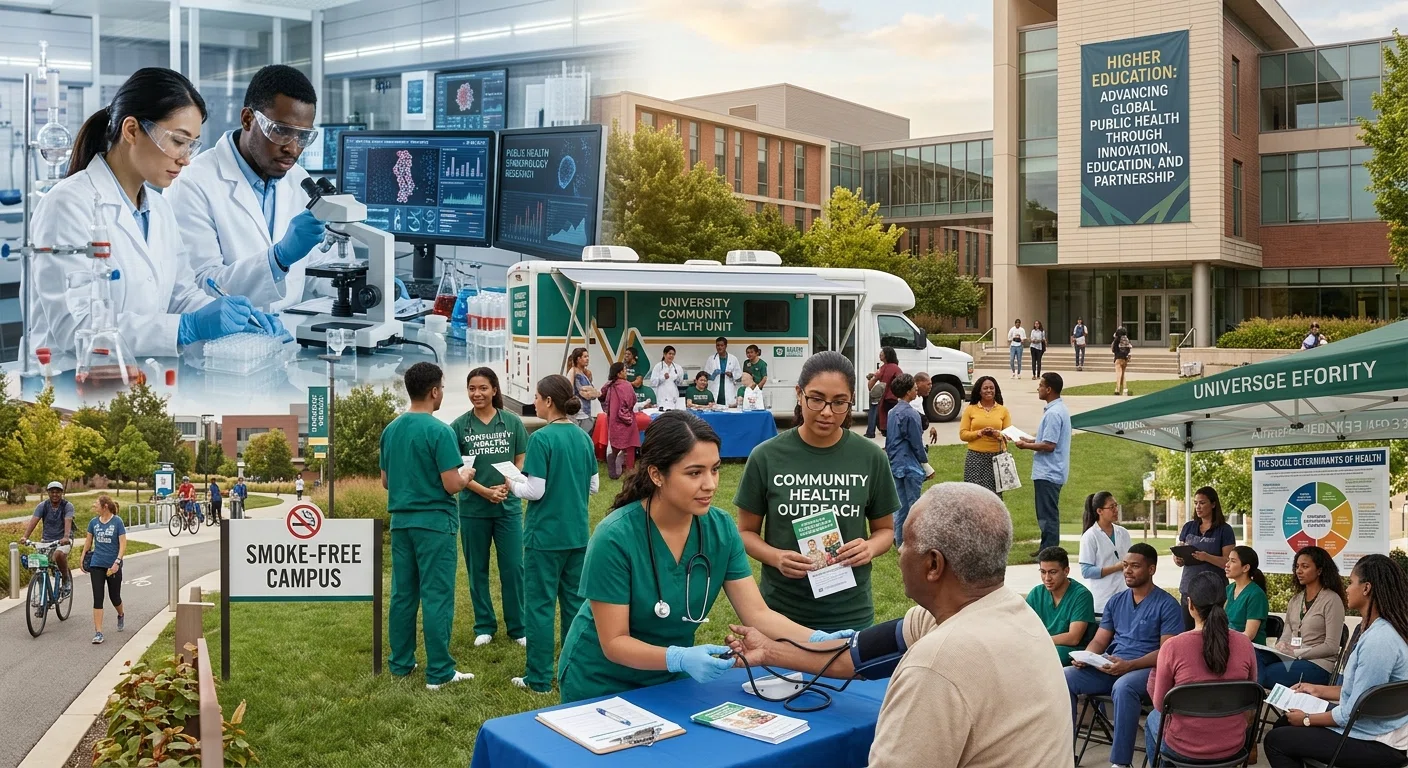
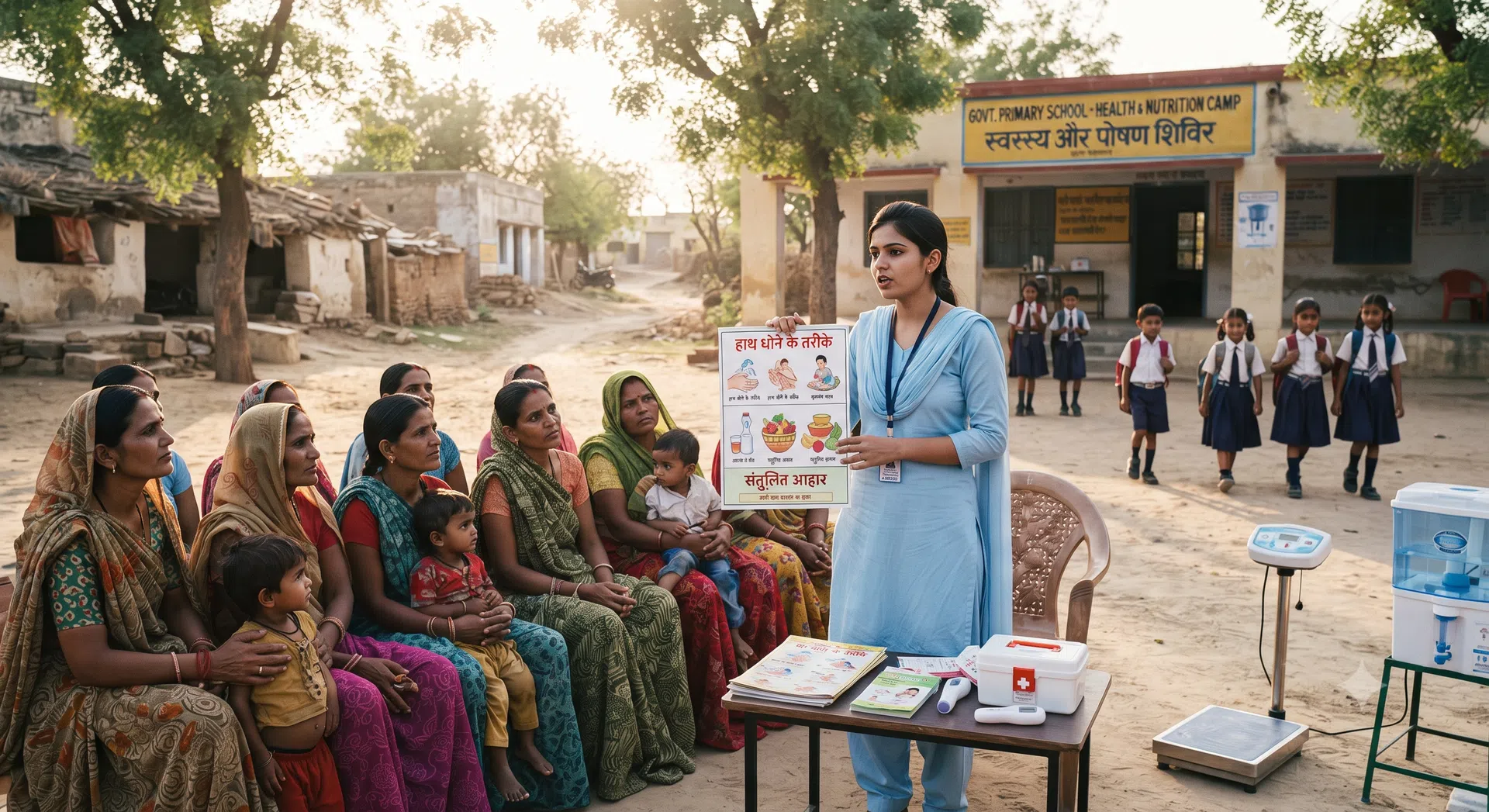
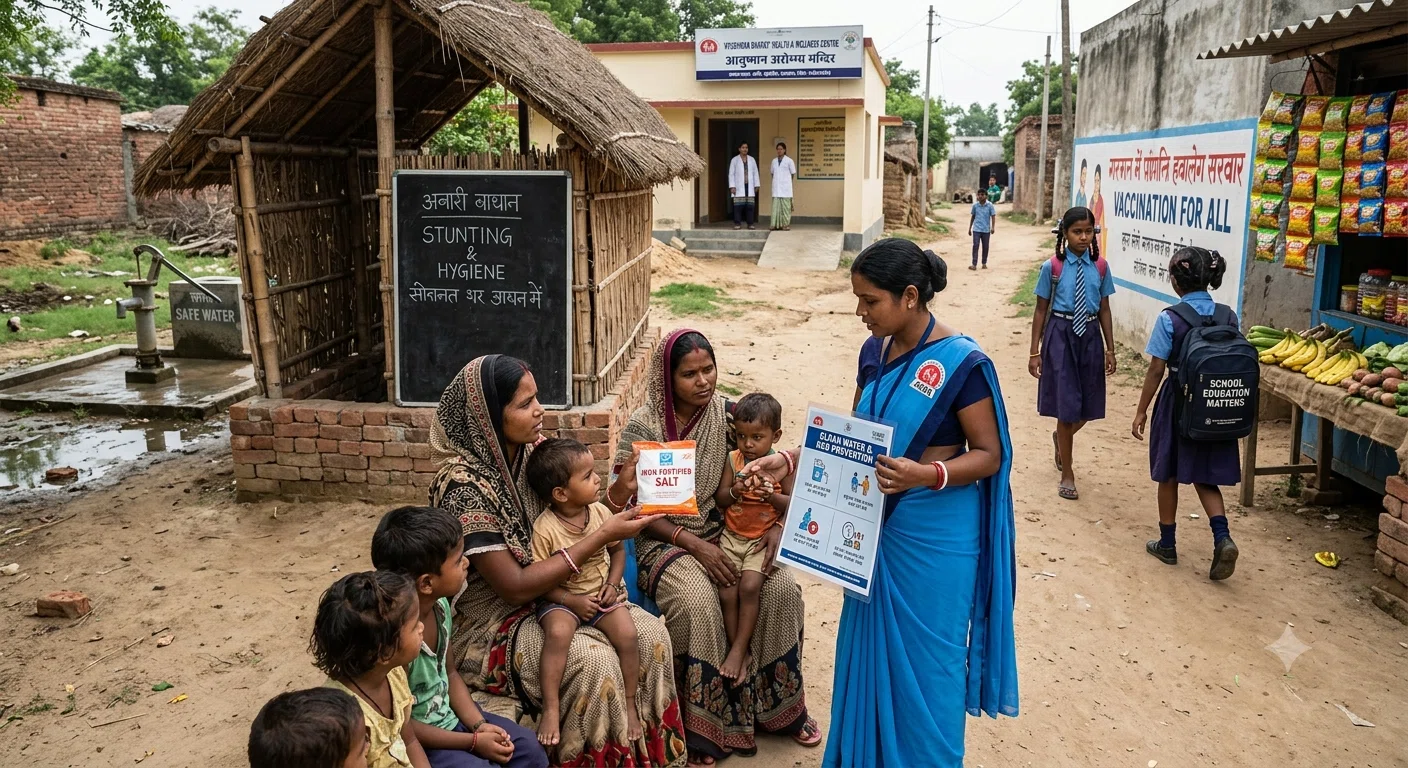
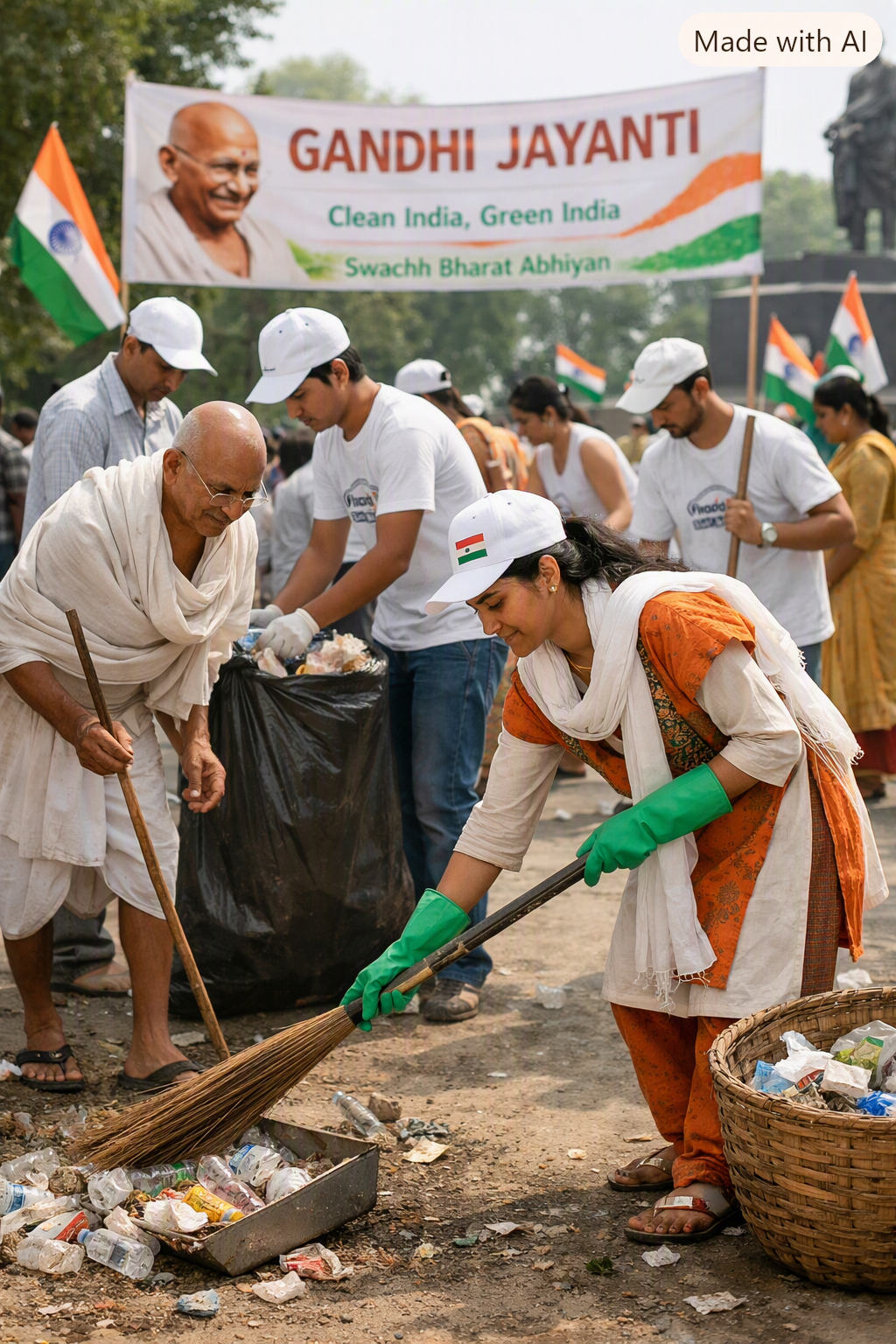
In recent years, Gandhi Jayanti has taken on an expanded developmental meaning through the Swachh Bharat Abhiyan (Clean India Mission), launched nationally on October 2, 2014. Cleanliness was a lifelong passion of Mahatma Gandhi, who famously stated that "sanitation is more important than independence." Today, millions of citizens observe the anniversary by participating in community cleanup drives, reinforcing public health awareness, and committing to civic hygiene.
.