

Govardhan Puja: Honoring Nature, Agriculture, and Divine Grace
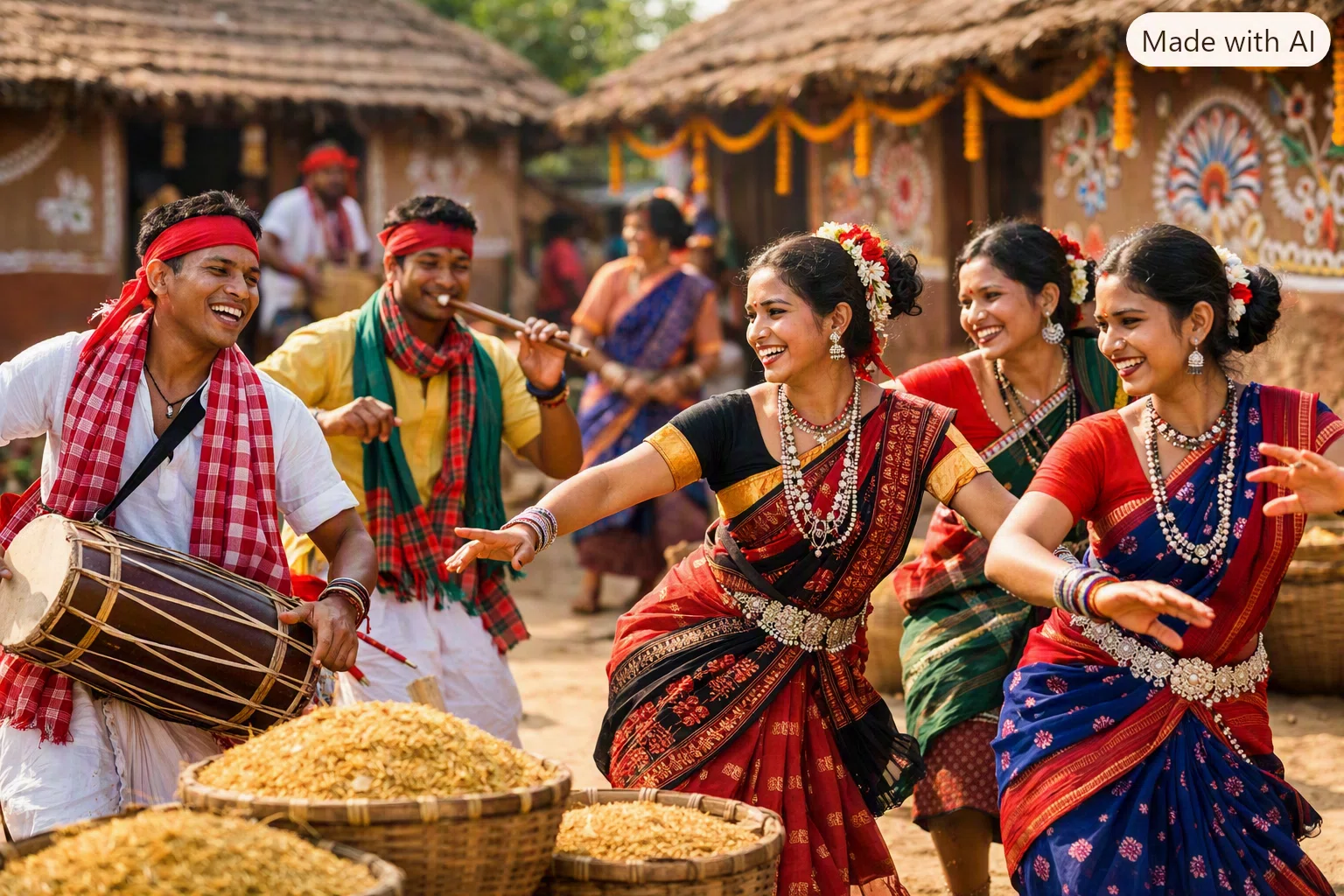
Govardhan Puja, also known as Annakut (meaning a mountain of food), stands as one of the most vibrant and ecologically conscious festivals in the Hindu calendar. Celebrated on the day following Diwali, this festival commemorates the historic event when Lord Krishna lifted the Govardhan Hill on his little finger to protect the people and cattle of Vrindavan from the torrential rains brought forth by the wrath of Lord Indra.
Beyond its mythological roots, Govardhan Puja serves as a profound celebration of gratitude toward nature, environmental preservation, agriculture, and livestock management, making its teachings deeply relevant in the modern era.
The Mythological Significance: Krishna and the Govardhan Hill
According to ancient scriptures, the villagers of Braj traditionally prepared grand offerings and sacrifices to Lord Indra, the god of rain and thunderstorms, to ensure timely monsoons for their crops. Young Lord Krishna challenged this practice, urging the villagers to worship Govardhan Hill instead, as the mountain provided fertile soil, grazing pastures, and natural resources that directly sustained their livelihood.
Infuriated by this shift in worship, Lord Indra unleashed fierce storms and devastating floods upon Vrindavan. To shield the helpless villagers and animals, Lord Krishna effortlessly lifted the massive Govardhan Hill, holding it aloft like an umbrella for seven days and nights. Humbled by this display of divine power, Indra eventually relented, acknowledging Krishna's supremacy. This narrative emphasizes a vital spiritual truth: true reverence belongs to the tangible ecological systems—mountains, rivers, forests, and animals—that actively sustain human existence.
Core Rituals and Traditions of Govardhan Puja
The observance of Govardhan Puja involves unique and creative rituals that engage entire communities and families.
1. Creating the Govardhan Hill Effigy
Mud Sculpting: Devotees construct a symbolic hill representing Govardhan using cow dung or earth in their courtyards or community spaces.
Natural Decoration: The mud mound is adorned with fresh flowers, green grass, leaves, and miniature figures representing Lord Krishna, cows, and cowherds.
2. The Annakut Offering (Mountain of Food)
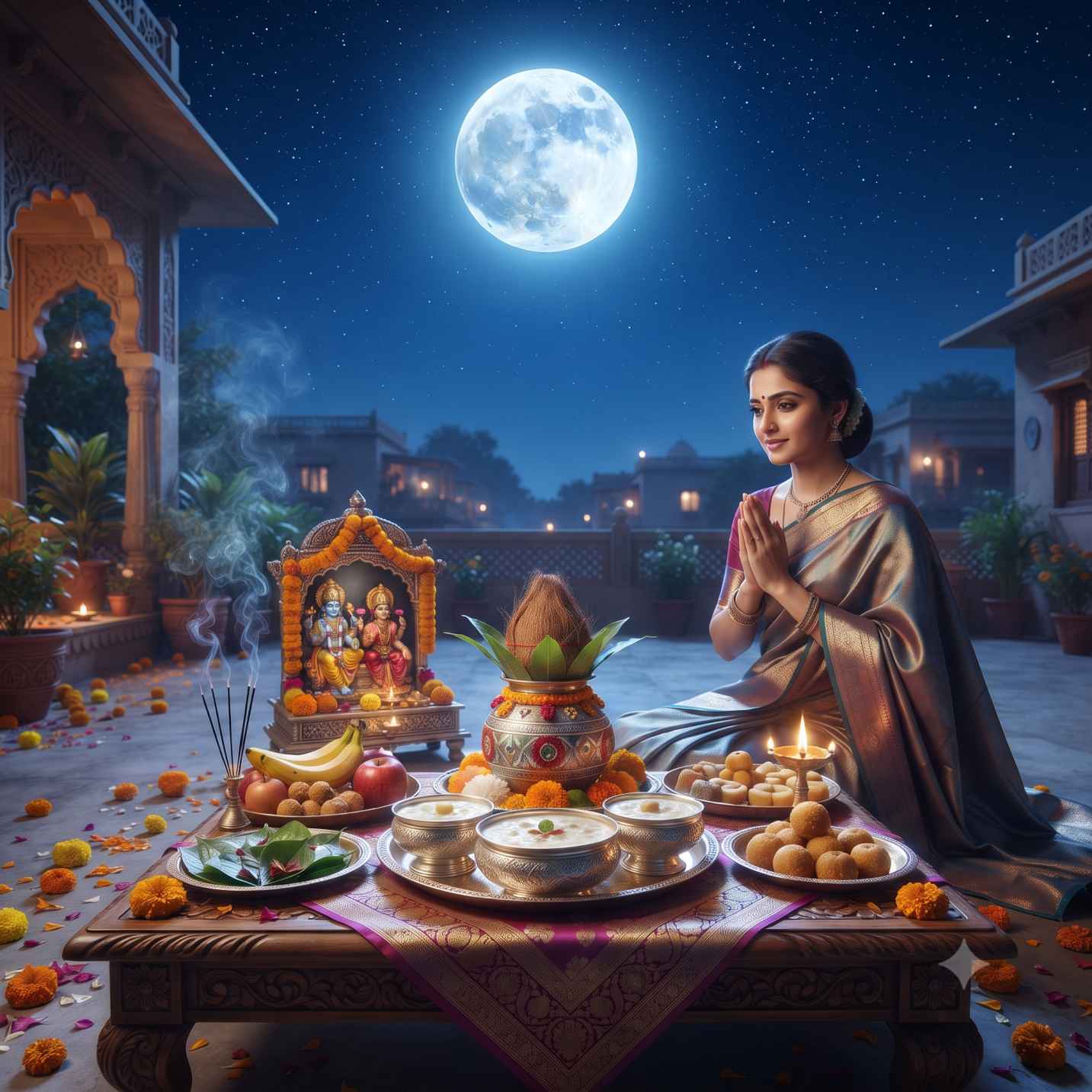
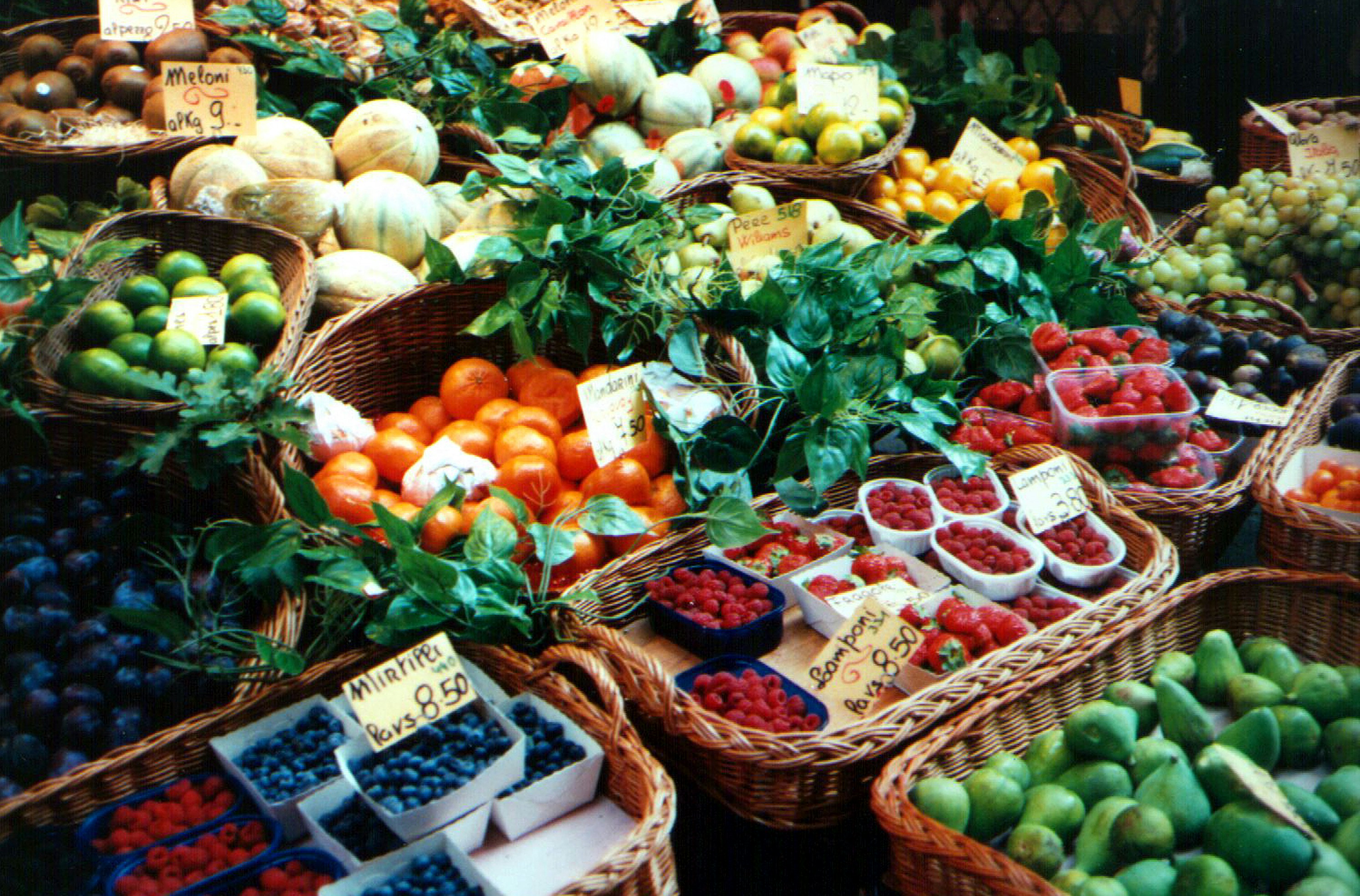
Elaborate Preparation: Households and temples prepare a vast array of vegetarian dishes, sweets, snacks, and cereals—often numbering fifty-six items (Chappan Bhog).
Community Feasting: The food is offered to the Govardhan hill replica as a gesture of thanksgiving for nature's bounty before being distributed as prasadam to family, friends, and the less fortunate.
3. Gau Puja (Worship of Cows)
Bovine Care: Because cows played a central role in pastoral life and were protected alongside Govardhan Hill, cattle are washed, decorated with turmeric, vermilion, and flower garlands, and fed with fresh grass and jaggery as an act of profound respect.
Environmental and Ecological Relevance Today
In a contemporary world grappling with climate change, deforestation, and environmental degradation, the underlying philosophy of Govardhan Puja offers powerful lessons:
Ecosystem Conservation: The festival reminds humanity of our deep interdependence with nature. Mountains, forests, and water bodies are our literal life-support systems and deserve active protection.
Sustainable Living: By honoring livestock and organic agricultural produce, Govardhan Puja encourages a lifestyle rooted in sustainability, cruelty-free practices, and respect for rural communities.
Gratitude as a Practice: Consciously thanking the earth for food and shelter fosters mindfulness and reduces excessive consumerism.
Conclusion
Govardhan Puja is far more than an annual ritual; it is an enduring cultural reminder of humanity's sacred bond with the earth. By celebrating the protection of nature and sharing an abundance of food with our communities, we honor the timeless wisdom of living in harmony with our environment. May this Govardhan Puja inspire all of us to nurture and protect the natural world that sustains us.
Would you like to explore another festival or cultural observance for a detailed prompt, or is there a specific topic you would like to focus on next?