
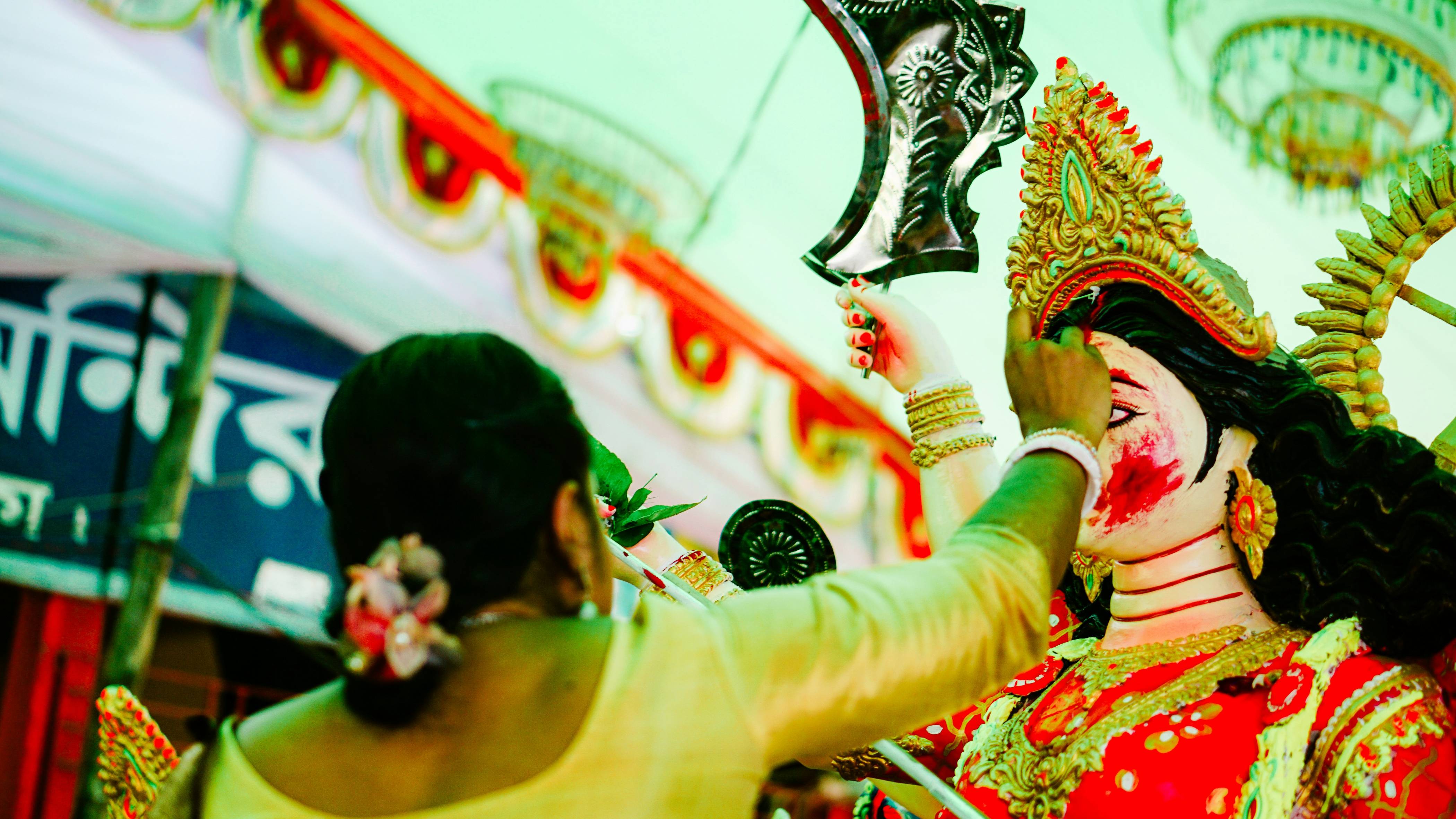
Significance, Rituals, and the Celebration of Divine Feminine Power
Introduction to Sharad Navratri
Sharad Navratri, also known as Maha Navratri, stands as one of the most vibrant, widely celebrated, and spiritually significant Hindu festivals in India. Spanning nine nights and ten days, this grand festival is dedicated to the worship of the Divine Feminine (Shakti) in her various manifestations. Celebrated during the lunar month of Ashwin (September–October), Sharad Navratri marks the transition from the monsoon season to autumn (Sharad Ritu). It symbolizes the ultimate victory of good over evil, light over darkness, and divine grace over ignorance, culminating in the joyous festivities of Dussehra (Vijayadashami).
The Mythological Significance and the Legend of Durga
The roots of Sharad Navratri are deeply intertwined with epic Hindu mythologies that celebrate the triumph of Goddess Durga over cosmic forces of chaos and adharma. The most prominent legend centers around the fierce battle between Goddess Durga and the shape-shifting demon king Mahishasura.
According to sacred texts, Mahishasura had terrorized both the heavens and the earth, growing invincible due to a boon that no man or god could defeat him. In response, the combined divine energies of Lord Brahma, Vishnu, and Shiva materialized into Goddess Durga, the embodiment of supreme shakti. After a fierce battle lasting nine days and nights, the Goddess vanquished Mahishasura on the tenth day—a victory commemorated as Vijayadashami. In Eastern India, particularly in West Bengal and parts of Odisha, this narrative forms the spiritual core of the grand Durga Puja celebrations, where communities welcome the Goddess home as a beloved daughter returning to her paternal abode.
The Nine Forms of Navadurga: Days of Worship
Each of the nine nights of Sharad Navratri is dedicated to honoring a distinct form of Goddess Durga, collectively known as the Navadurga. Every form represents a specific attribute, spiritual energy, and color associated with devotion:
1) Shailputri: The daughter of the Himalayas, worshiped on Day 1 for stability and strength.
2) Brahmacharini: The seeker of spiritual knowledge and penance.
3) Chandraghanta: The embodiment of grace, bravery, and inner peace.
4) Kushmanda: The cosmic creator believed to have birthed the universe with her divine smile.
5) Skandamata: The mother of Lord Kartikeya, bestowing wisdom and power.
6) Katyayani: The warrior goddess who vanquished demons, representing fierce protection.
7) Kalaratri: The fierce, transformative form that destroys darkness and fear.
8) Mahagauri: The symbol of purity, serenity, and forgiveness.
9) Siddhidatri: The granter of supernatural powers, spiritual fulfillment, and liberation.
Rituals, Fasting, and Cultural Celebrations
Sharad Navratri is marked by a rich tapestry of spiritual disciplines, fasting, and joyous cultural expressions across households and communities:
1) Ghatasthapana (Kalash Sthapana): The festival begins on the first day with the ritual establishment of a sacred earthen pot (Kalash), symbolizing prosperity, life, and the invocation of divine energy, alongside the sowing of barley seeds (Khetri).
2) Fasting and Satvik Diet: Millions of devotees observe rigorous fasts for nine days, abstaining from grains, salt, and non-vegetarian food, opting instead for a pure satvik diet consisting of fruits, milk, and specialized pseudo-grains like singhara and samak.
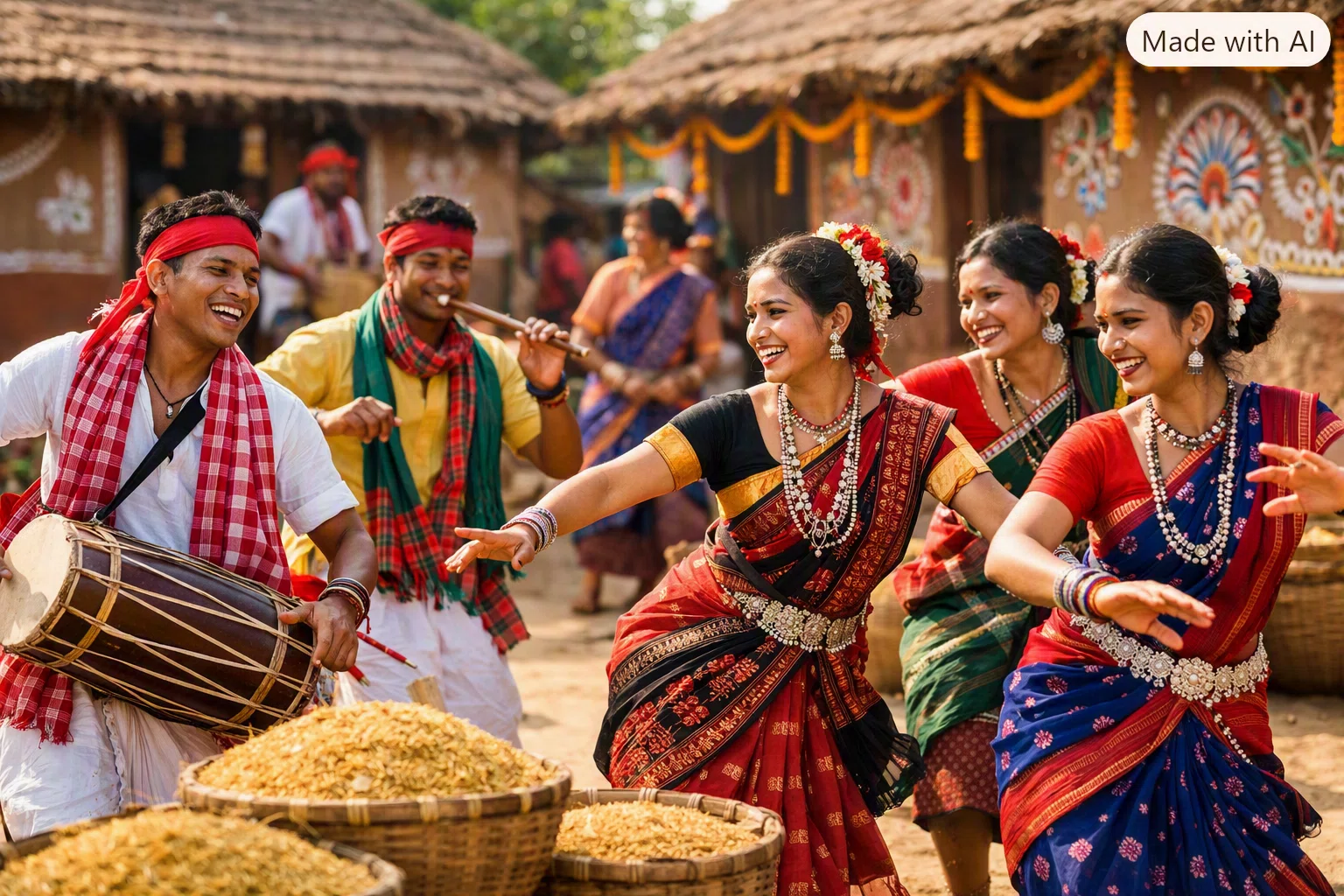
3) Garba and Dandiya Raas: In Gujarat and across the Indian diaspora, the nights come alive with energetic folk dances like Garba and Dandiya, where participants dress in vibrant traditional attire and dance in concentric circles around a central lamp or image of the Goddess.
4) Kanya Pujan: On the eighth (Ashtami) or ninth (Navami) day, young pre-pubescent girls (Kanyas) are worshiped as living manifestations of the Goddess, greeted with washed feet, sacred meals, and traditional gifts.
Conclusion: Embracing the Renewed Energy of Sharad Navratri
Sharad Navratri is far more than a seasonal festival; it is a profound journey of internal introspection and spiritual purification. By honoring the divine feminine, devotees seek to conquer their internal flaws—ego, anger, greed, and ignorance—and awaken their inner resilience. As the final chants fade and the idols are immersed on Vijayadashami, Sharad Navratri leaves behind a revitalized community atmosphere filled with hope, harmony, and renewed moral strength.