
India navigates a complex "triple burden" of disease: lingering infectious outbreaks, rising non-communicable conditions (NCDs) like diabetes and cardiovascular disease, and systemic malnutrition. While expanding healthcare infrastructure and digital initiatives like the Ayushman Bharat Digital Mission (ABDM) have widened clinical access, infrastructure alone cannot resolve India’s public health deficit.
Bridging the gap between medical interventions and lasting wellness requires education. Educated communities are better equipped to navigate preventative practices, demand quality care, and address the structural social determinants of health.
Why is education crucial for public health in India?
Education acts as a force multiplier for public health outcomes by:
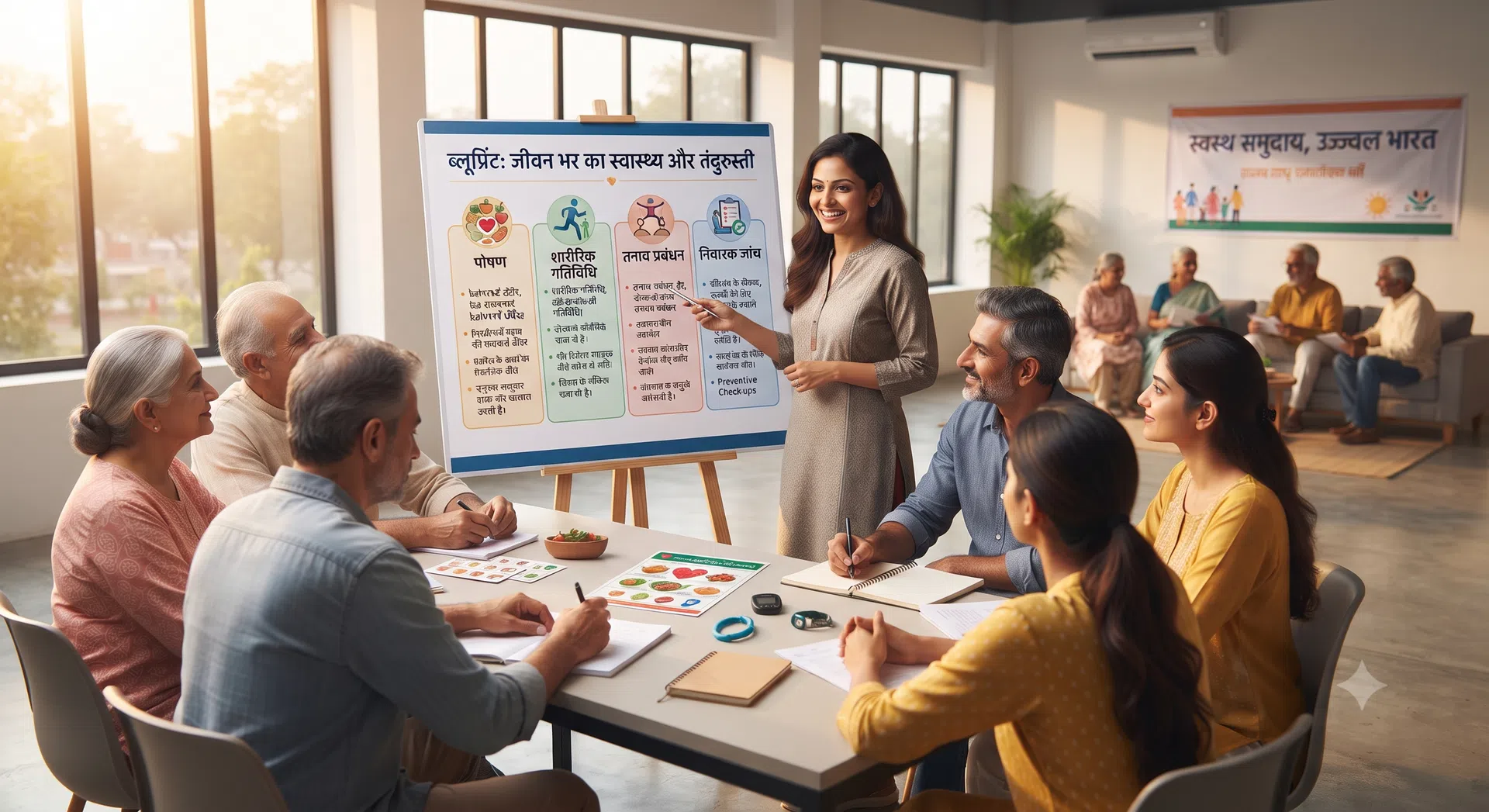
Raising Health Literacy: Empowering individuals to make informed decisions regarding nutrition, hygiene, and disease prevention.
Increasing Preventive Healthcare Utilization: Improving uptake of routine immunizations, early screenings, and maternal care.
Mitigating Lifestyle Diseases: Promoting dietary awareness to curb rising rates of obesity and NCDs.
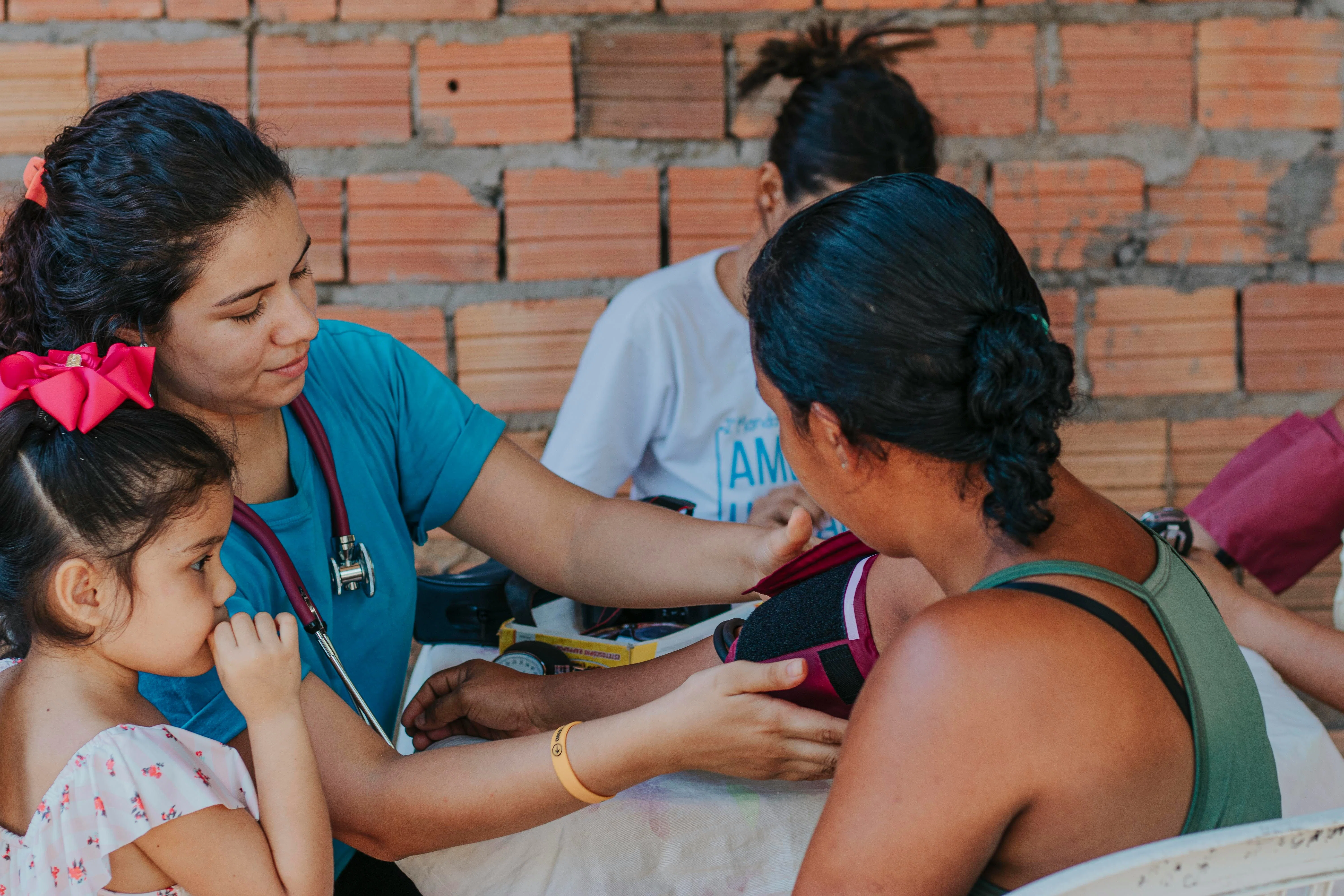
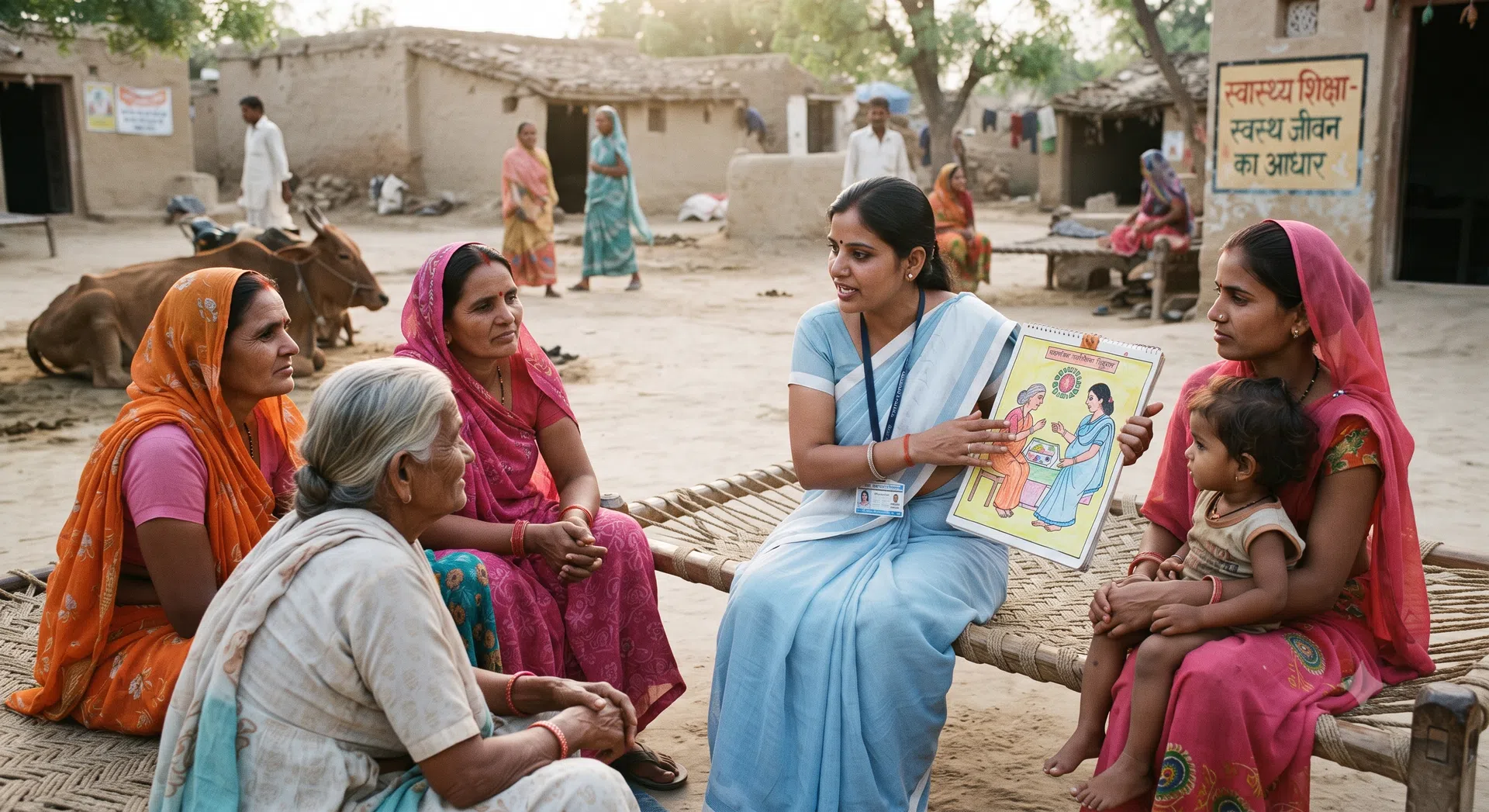
Empowering Frontline Health Workers: Enhancing the training of Accredited Social Health Activists (ASHAs) and Auxiliary Nurse Midwives (ANMs) to improve last-mile care delivery.
1. Navigating the Triple Burden of Disease
India's healthcare sector faces unique challenges spanning infectious threats, chronic lifestyle conditions, and persistent nutritional gaps. Education serves as a key tool in tackling each dimension of this crisis.
Infectious Diseases and Environmental Sanitation
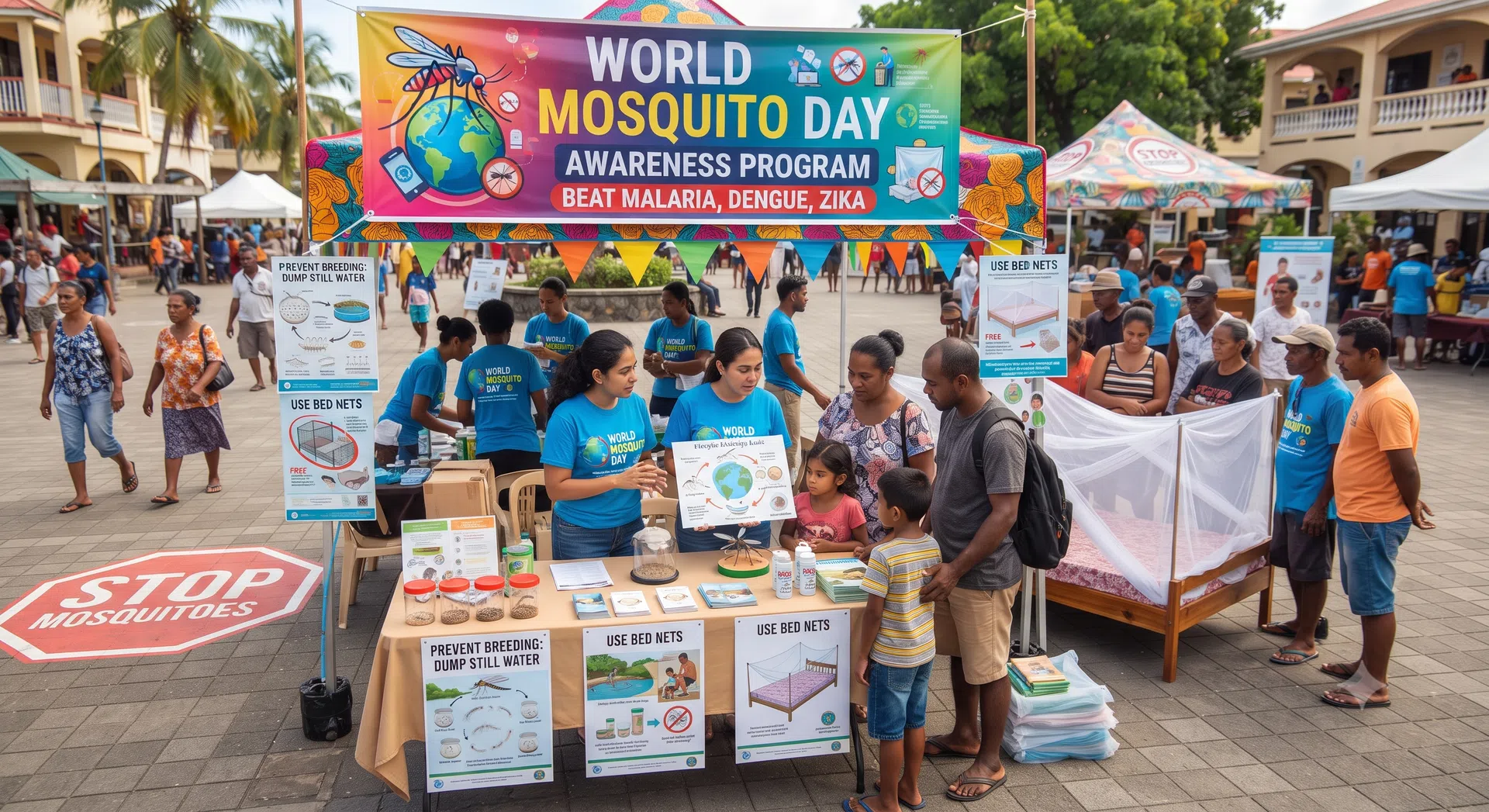
Vector-borne and waterborne illnesses—such as dengue, malaria, and cholera—frequently stem from poor sanitation and delayed reporting. Formal education and community outreach foster greater awareness around water hygiene, vector control, and timely medical intervention, breaking cycle of preventable outbreaks.
The Non-Communicable Disease (NCD) Surge
Lifestyle diseases including hypertension, type 2 diabetes, and cardiovascular conditions account for a growing proportion of India’s disease burden. The rapid rise in consumption of ultra-processed foods has fueled obesity across urban and rural demographics. Health literacy equips populations to make informed dietary choices, adopt physical activity habits, and seek early diagnostic screenings.
Malnutrition and "Hidden Hunger"
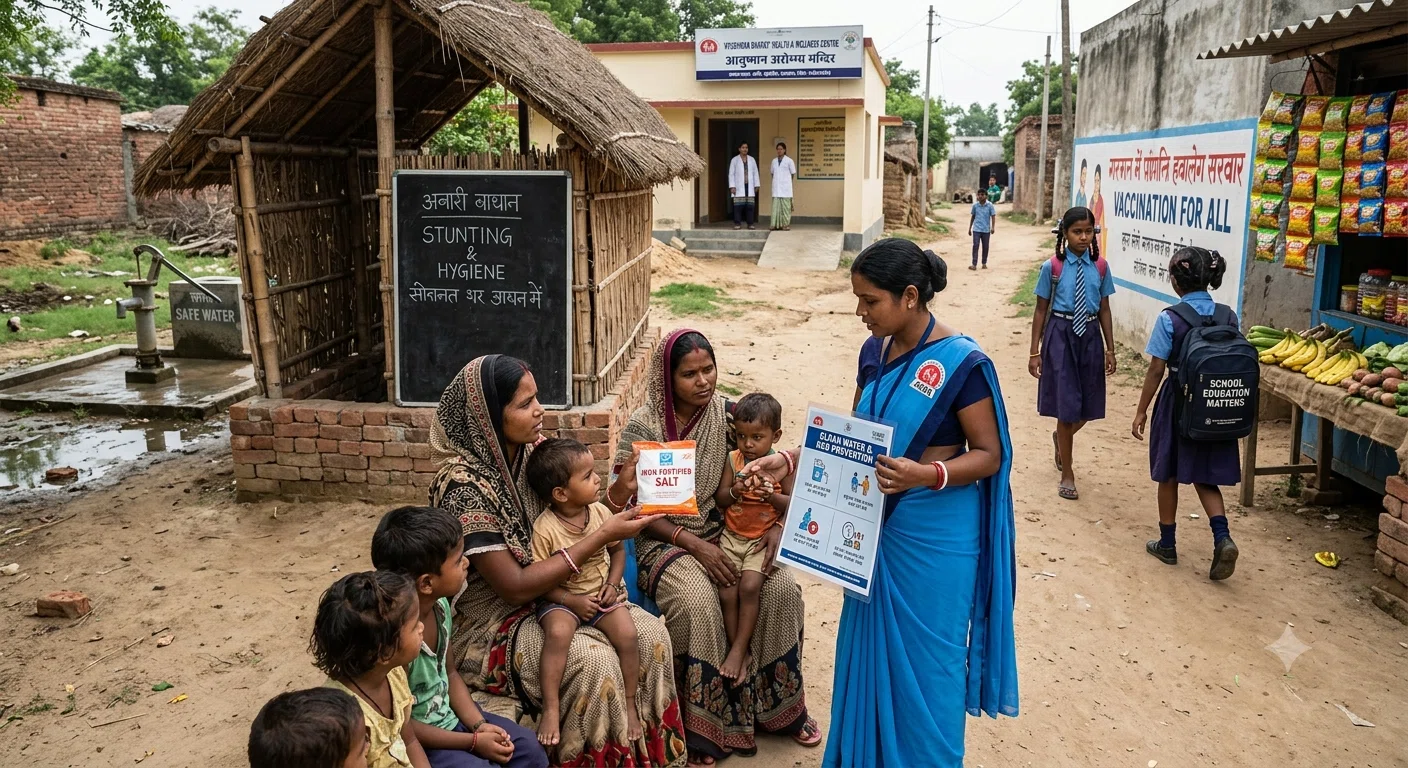
Despite agricultural growth, issues such as stunting, wasting, and micronutrient deficiencies (hidden hunger) persist. Education—particularly targeted at mothers and primary caregivers—improves infant feeding practices, dietary diversity, and the adoption of biofortified foods.
2. Structural Barriers to Public Health Progress
Addressing public health challenges requires overcoming deep-rooted socio-economic and geographical disparities.
The Rural-Urban Divide
Rural communities often face significant shortages of specialized medical personnel and equipped facilities. Educational campaigns enable rural populations to maximize available primary care resources, such as Ayushman Arogya Mandirs, and utilize telemedicine solutions like e-Sanjeevani.
Vaccine Hesitancy and Health Misinformation
Distrust and misinformation frequently impede public health initiatives, from routine childhood immunizations to pandemic responses. Basic education and digital literacy enable citizens to critically evaluate health information, combat myths, and adhere to evidence-based medical advice.
3. How Education Transforms Public Health Outcomes
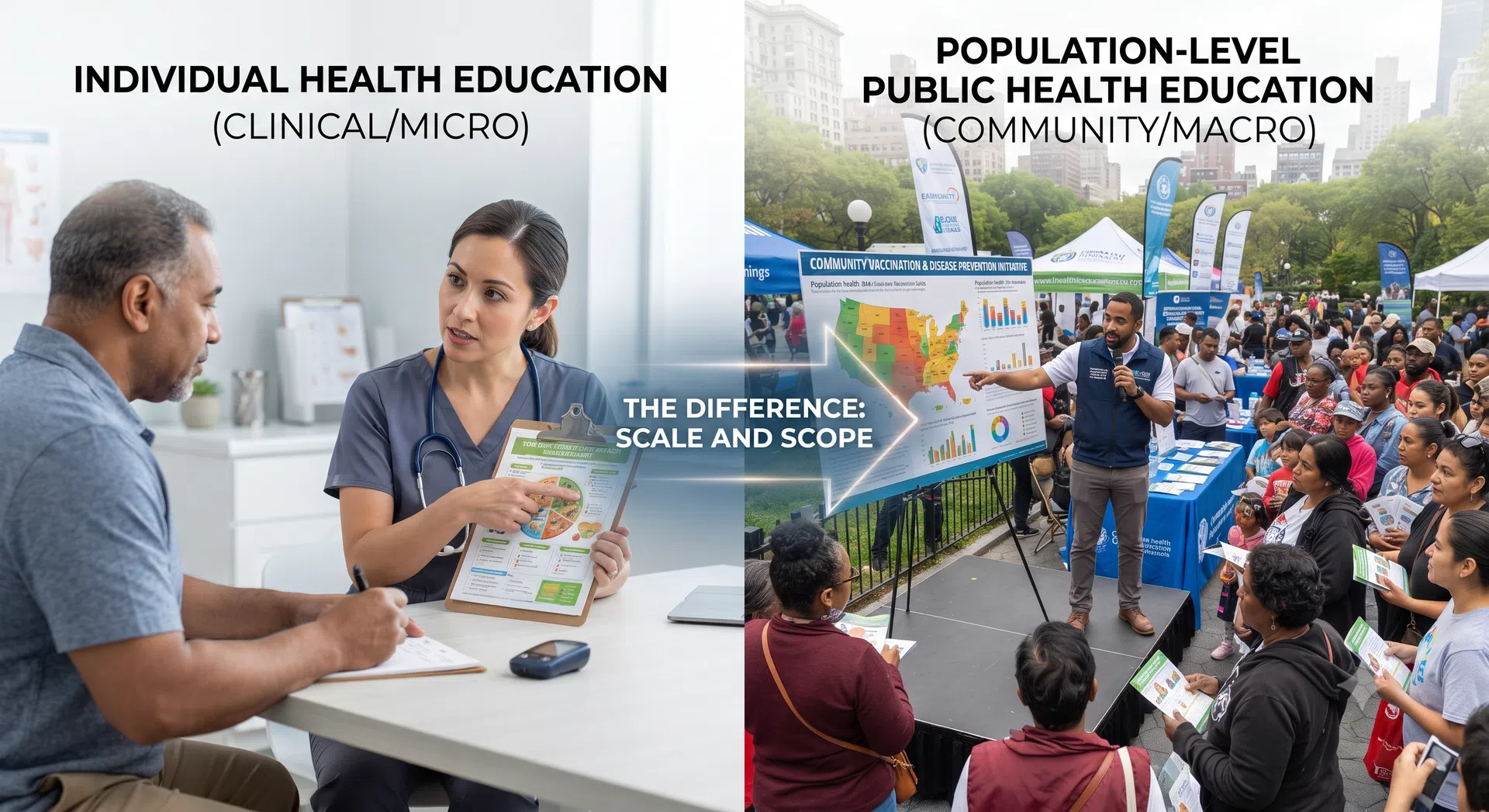
Integrating health education across all levels of society turns passive recipients of care into active managers of their own well-being.
Educational Domain
Strategic Action Public Health ImpactSchool Curricula Integrating age-appropriate hygiene, nutrition, and mental health awareness into primary education.Builds lifelong healthy habits and reduces adolescent health risks early on.
Community Health Training Providing digital upskilling and continuous medical training for ASHA and ANM workers.Enhances diagnostic accuracy, maternal health tracking, and last-mile care quality.
Digital Health LiteracyEducating citizens on accessing digital health records via the Ayushman Bharat Digital Mission (ABDM).Streamlines clinical care, reduces diagnostic duplication, and lowers healthcare costs.
Empowering Women as Health Decisionmakers
Maternal literacy directly correlates with reduced infant mortality, improved immunization rates, and better family nutrition. Educated women are more likely to utilize institutional delivery options, seek prenatal screenings, and implement proper hygienic practices at home.
Training Last-Mile Healthcare Workers
Grassroots health workers form the backbone of rural healthcare in India. Equipping ASHAs, ANMs, and Anganwadi staff with modern health modules and technology ensures early identification and management of health issues within local communities.