
Rituals, Significance, and Celebrations
Introduction to Maha Navami
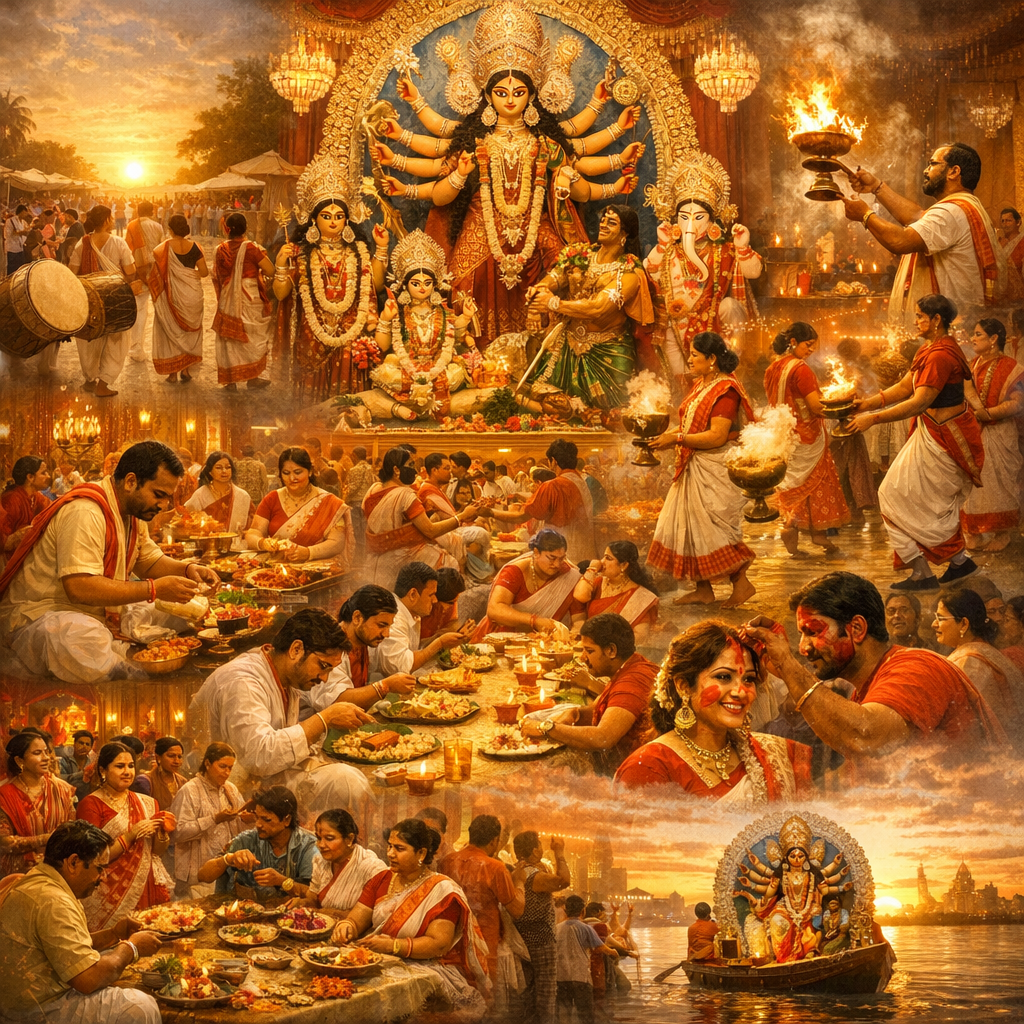
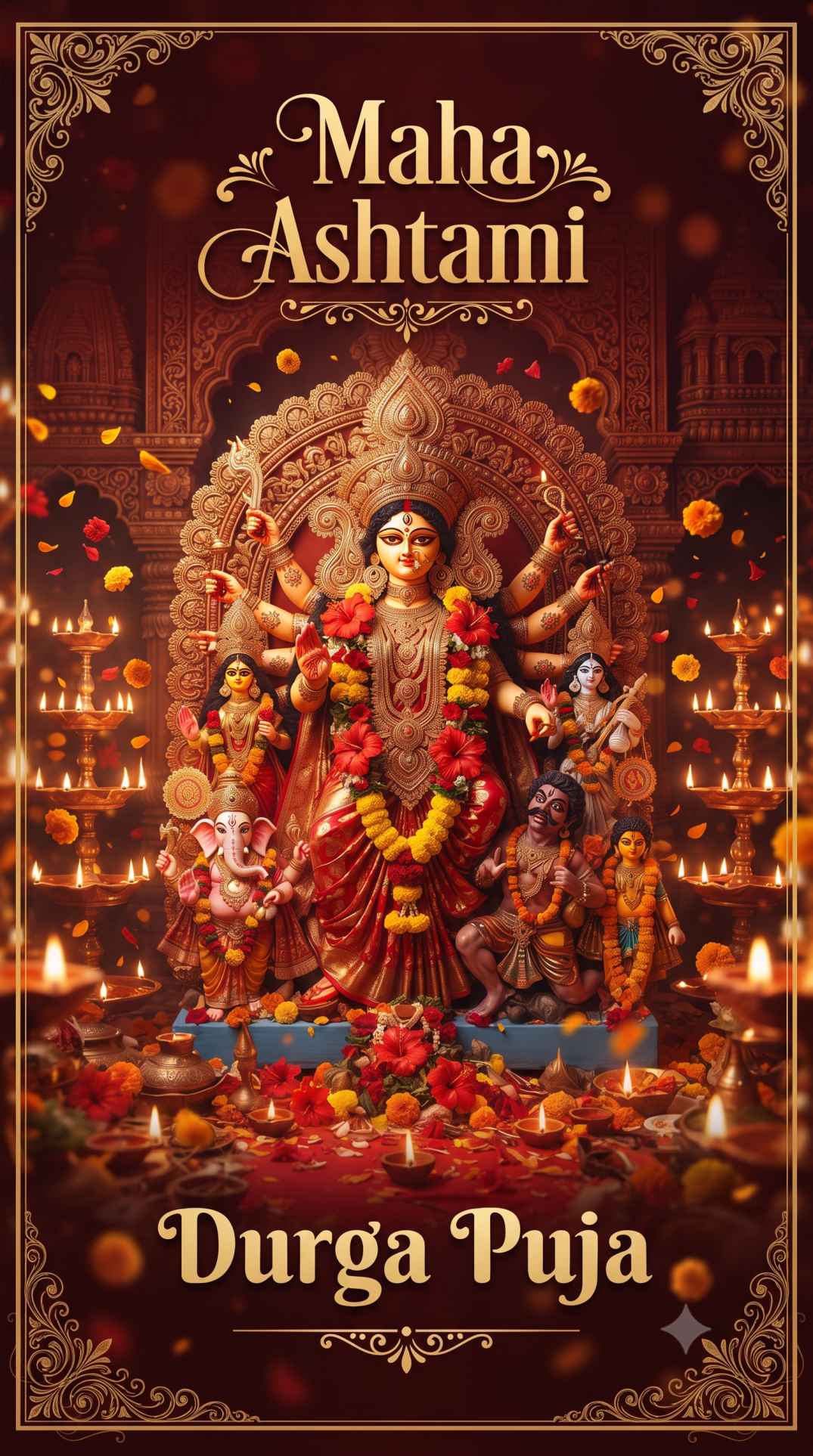
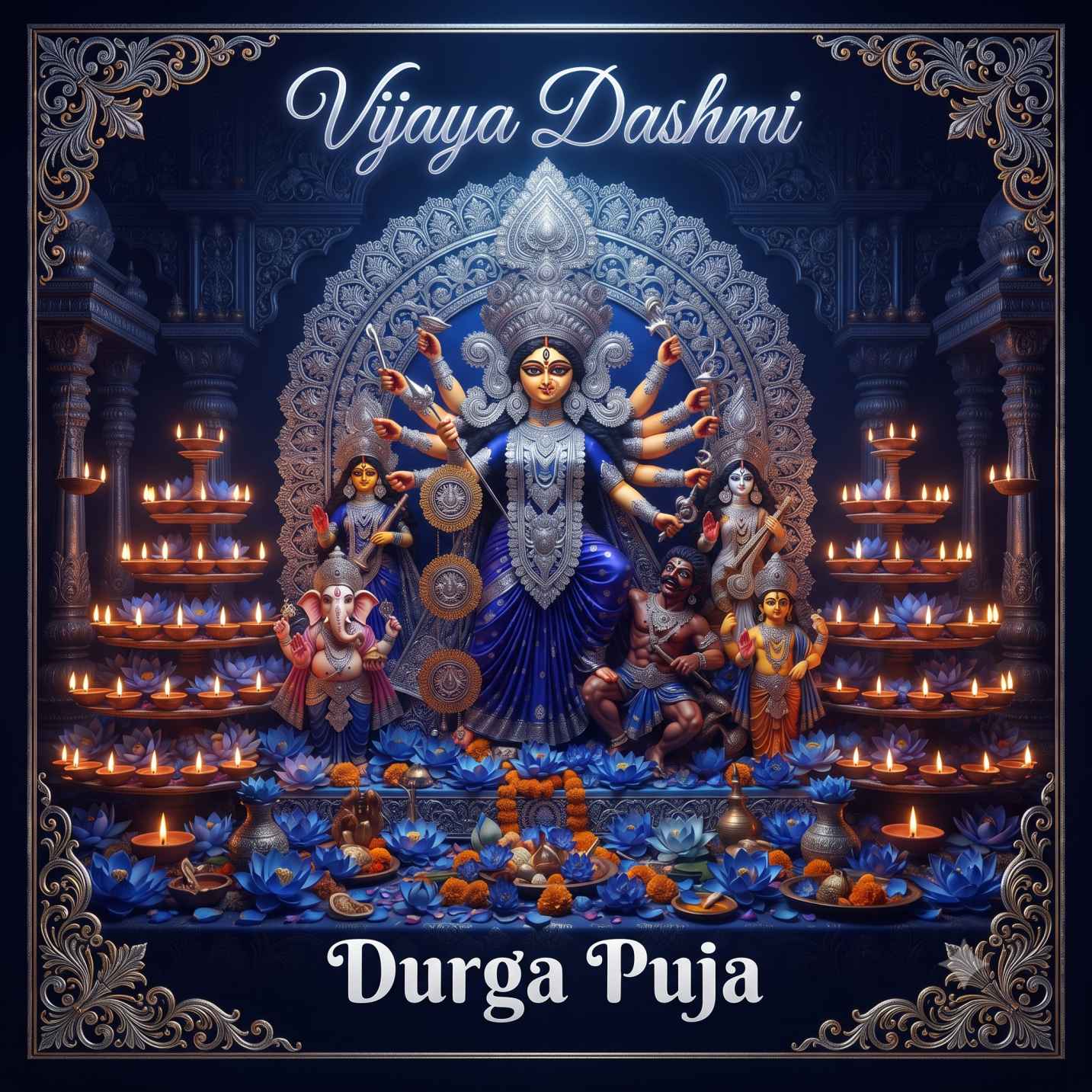
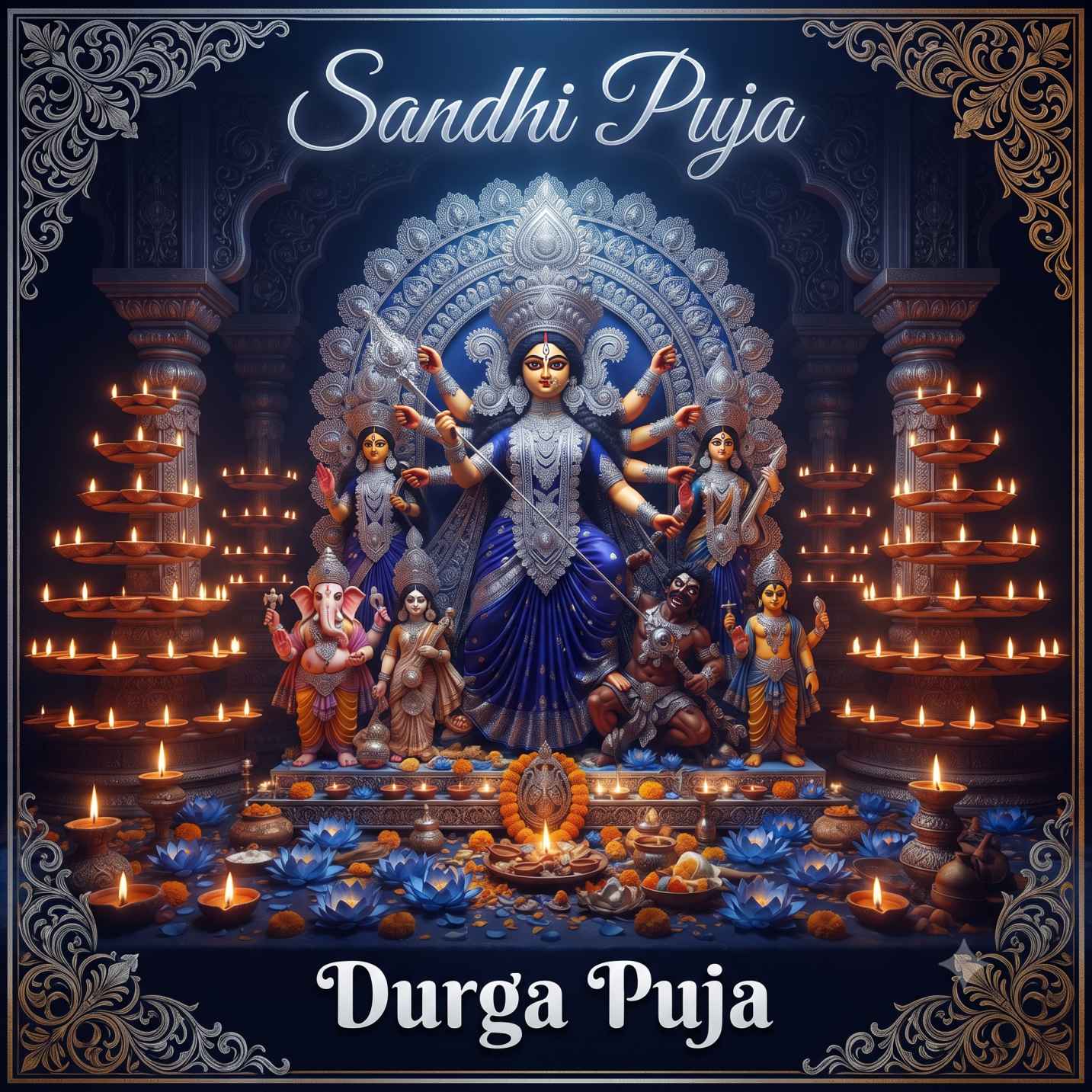
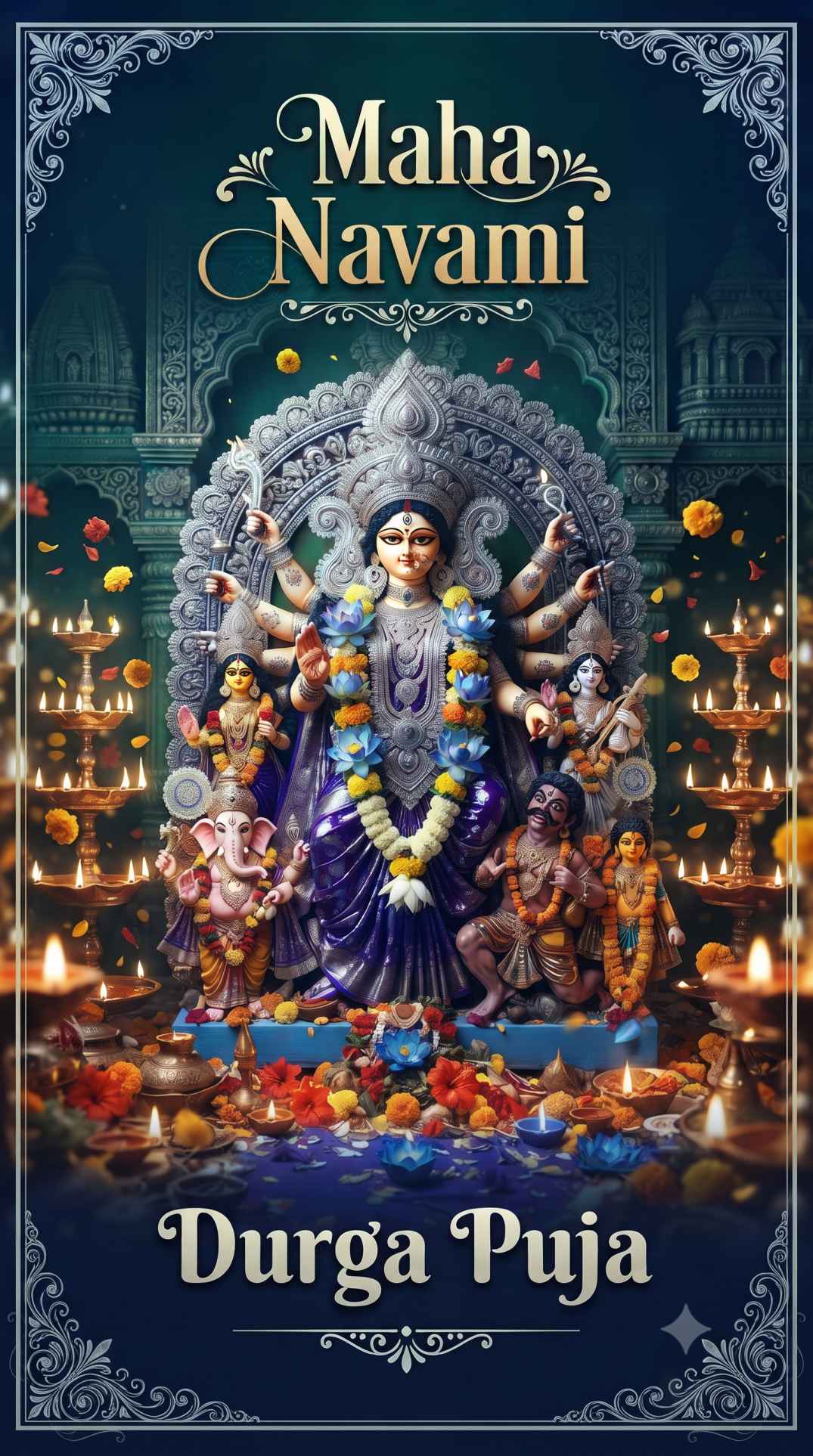
As the grand autumn festival progresses toward its magnificent finale, Maha Navami (the ninth day of Durga Puja and Sharad Navaratri) occupies a deeply significant place. Positioned right between the intensity of Maha Ashtami and the bittersweet farewell of Dashami, Maha Navami is a day characterized by high-energy devotion, elaborate fire rituals, grand community feasts (Bhog), and massive cultural gatherings. Across India—particularly in states like West Bengal, Odisha, Bihar, and Assam—this day marks the final full day of active worship before the idols are prepared for immersion.
Mythological Significance of Maha Navami
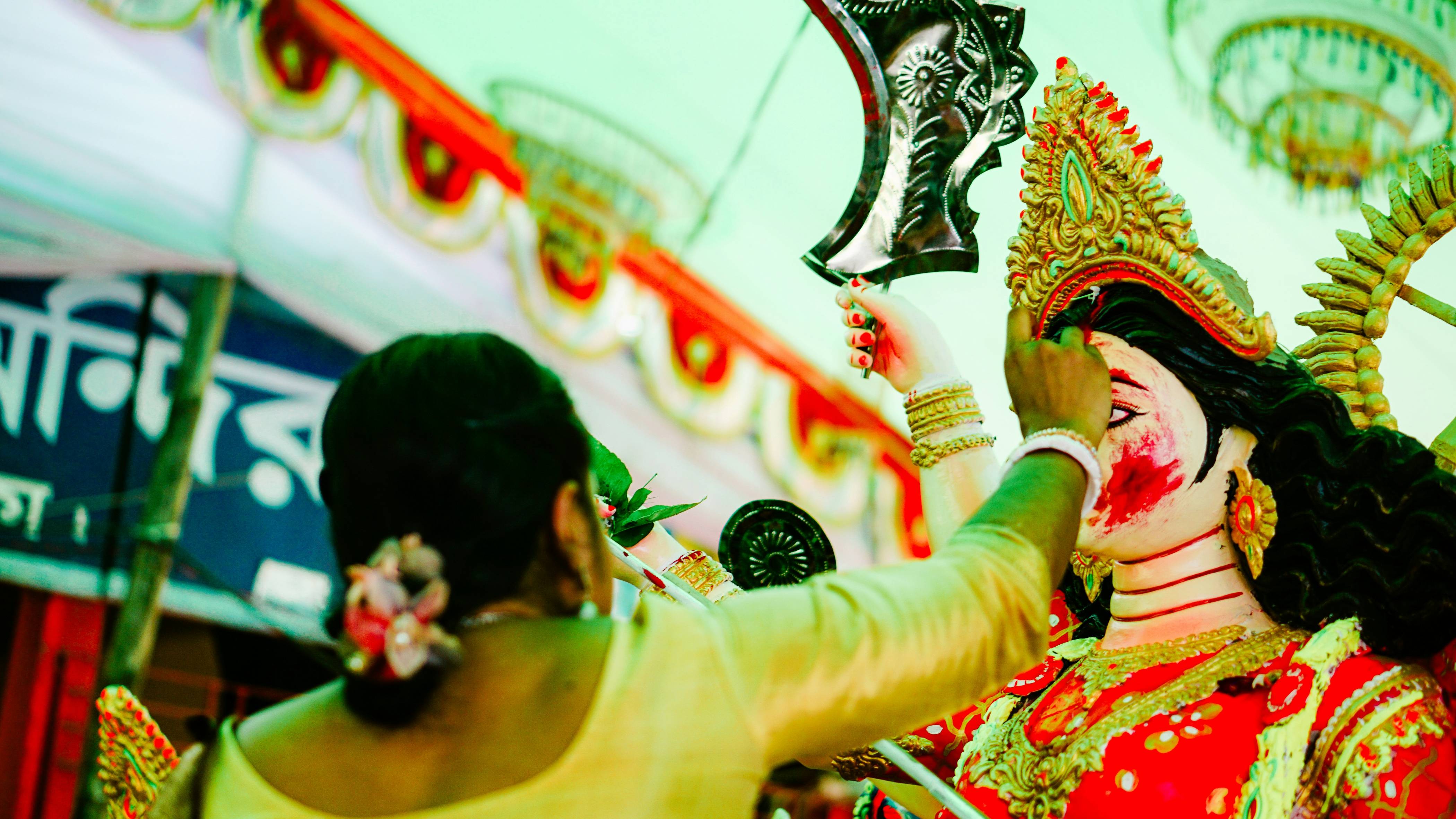
Maha Navami is traditionally associated with the ultimate conclusion of the fierce battle between Goddess Durga and the demon king Mahishasura. According to sacred Hindu scriptures, it was on this day that the Goddess achieved her decisive victory, restoring peace and cosmic order across the heavens and the earth.
In some regional traditions, Maha Navami is also linked to the worship of Goddess Siddhidatri, the ninth form of Navadurga who grants spiritual perfection and supernatural capabilities. Because it represents the culmination of the core battle against adharma (unrighteousness), the rituals performed on this day are dedicated to expressing deep gratitude, seeking protection, and tying up loose ends of the festive observances.
The Sacred Homa (Fire Ritual)
One of the most defining ritualistic highlights of Maha Navami morning is the performance of the Homa or Yagna.
The Sacred Fire: Priests kindle a consecrated fire fed with ghee, wood, and specific herbal offerings while chanting powerful Vedic mantras.
Devotee Participation: Families and community members gather around the sacrificial altar to offer their final oblations (ahuti) to the Goddess, praying for health, prosperity, and the removal of all obstacles from their lives.
Community Feasts (Bhog) and Charity
Maha Navami is widely celebrated as a day of communal sharing and collective joy, breaking fasts and partaking in divine blessings.
Durga Puja Bhog: Thousands of visitors queue up at community pandals to partake in the traditional Bhog, which typically includes khichuri, mixed vegetable curry (labra), chutney, and sweet delicacies (payesh).
Universal Brotherhood: Reflecting the inclusive spirit of Durga Puja, individuals from all walks of life, backgrounds, and communities sit together to share these consecrated meals, reinforcing social harmony and unity.
Evening Celebrations and Pandal Hopping
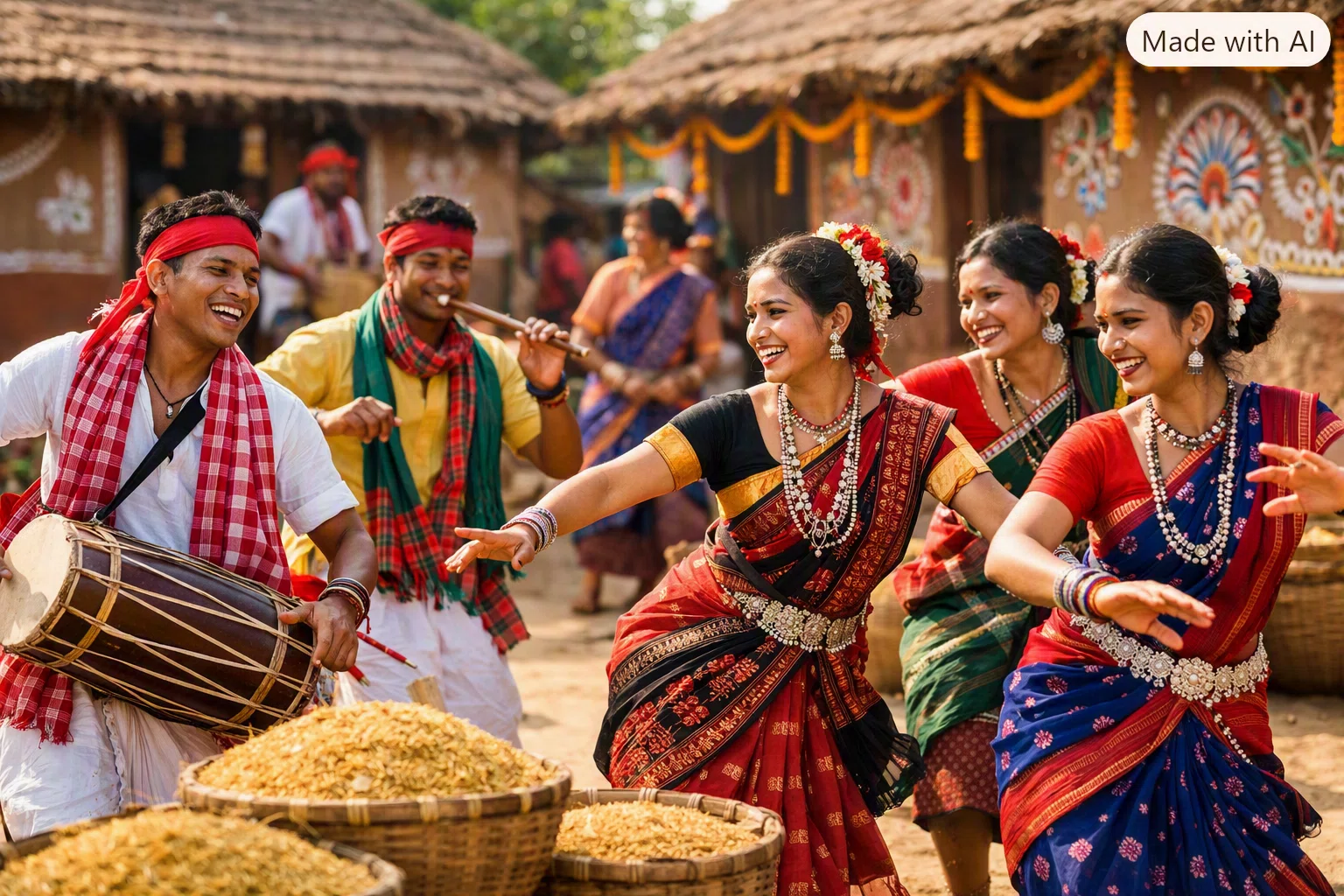
Once the daytime religious rites conclude, the atmosphere transforms into a vibrant cultural carnival as millions step out for the final evening of pandal hopping.
Art and Architecture: Enthusiastic crowds marvel at the breathtaking creativity of temporary pandals, intricate lighting displays, and artistic sculptures before they close their doors for the year.
Cultural Programs: Evenings on Maha Navami feature spectacular music recitals, classical dance performances, theatrical dramas, and community celebrations that run late into the night.