
India's Biggest Education Conversation Is Coming to Delhi
If you're a student trying to figure out what the future of Indian education looks like, a parent wondering how NEP 2020 will actually change your child's classroom, or an educator trying to keep up with AI tools reshaping teaching — there's one event this June worth knowing about.
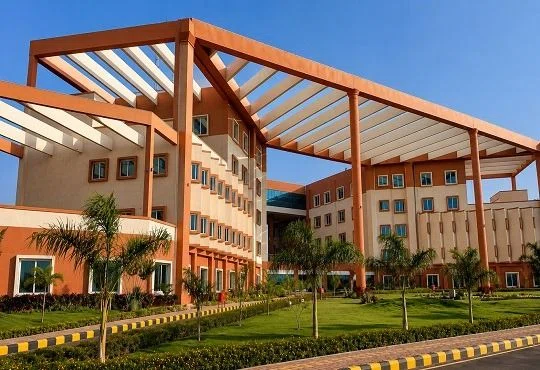
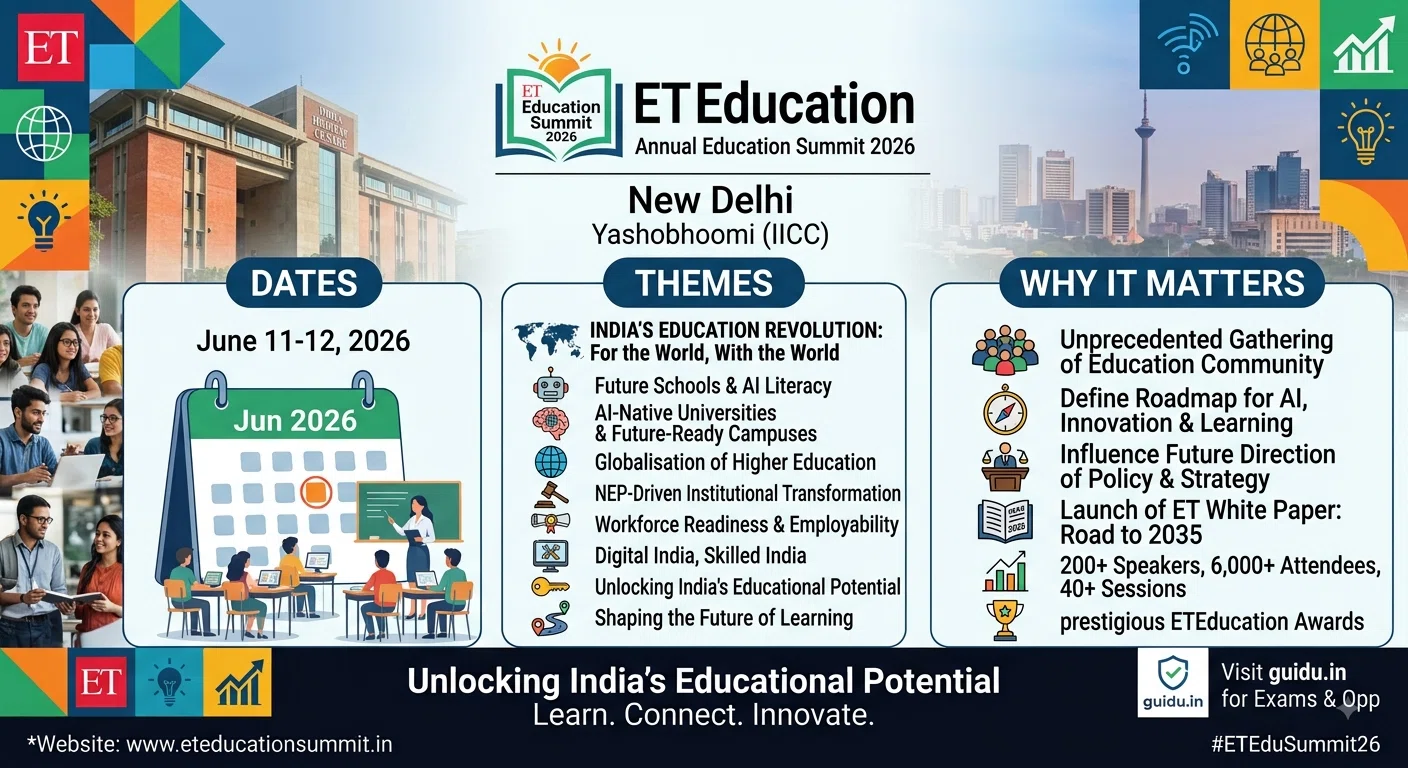
The ET Education Annual Summit 2026 is scheduled for June 11-12, 2026 at Yashobhoomi (India International Convention & Expo Centre), Dwarka Sector 25, New Delhi — a venue that has become one of Delhi's go-to hubs for large-scale conferences and expos in 2026. Organized by the Economic Times, this edition builds on previous years of the summit and aims to be one of the larger gatherings of education stakeholders in the country this year.
This year's theme — "India's Education Revolution: For the World, With the World" — signals a bigger ambition than previous editions: positioning India not just as a country reforming its own education system, but as a global education hub in the making.
Note: Some specifics below — including speaker and attendee counts, edition number, and live registration status — are based on organizer-provided details and have not yet been independently corroborated by other public sources. We recommend checking the official ET Education Summit page for the most current confirmation before making plans.
What's Actually Happening at the Summit
The scale itself tells you something about how central education has become to India's policy and economic conversations. According to organizer details, the summit is expected to bring together:
200+ speakers, including policymakers, university leaders, educators, EdTech innovators, and industry experts
6,000+ attendees across the two days
An EdTech Innovation Expo showcasing new tools and platforms
The Education Excellence Awards, recognizing institutions and individuals driving change
This isn't a niche academic conference — it's designed as a meeting point between government, higher education, schools, and the private sector, all in one venue.
Why Should Students and Parents Care?
It's easy to assume summits like this are only for policymakers and college administrators. But the themes on the agenda directly affect what happens in classrooms and campuses over the next few years.
1. NEP 2020 Implementation — Finally Getting Real
The National Education Policy 2020 has been discussed for years, but implementation has been uneven across states and institutions. This summit's focus on NEP 2020 implementation progress matters because it will likely surface:
Which states and universities are ahead (or behind) in rolling out multidisciplinary education, credit transfer systems, and flexible degree structures
What's actually changing for students in terms of curriculum choice and exit options
Where the gaps remain between policy on paper and policy in practice
If you're a student or parent trying to plan for the next 2-4 years of education, understanding where NEP implementation stands helps you make better decisions about which institutions are genuinely adapting versus those still catching up.
2. AI in Education — Beyond the Hype
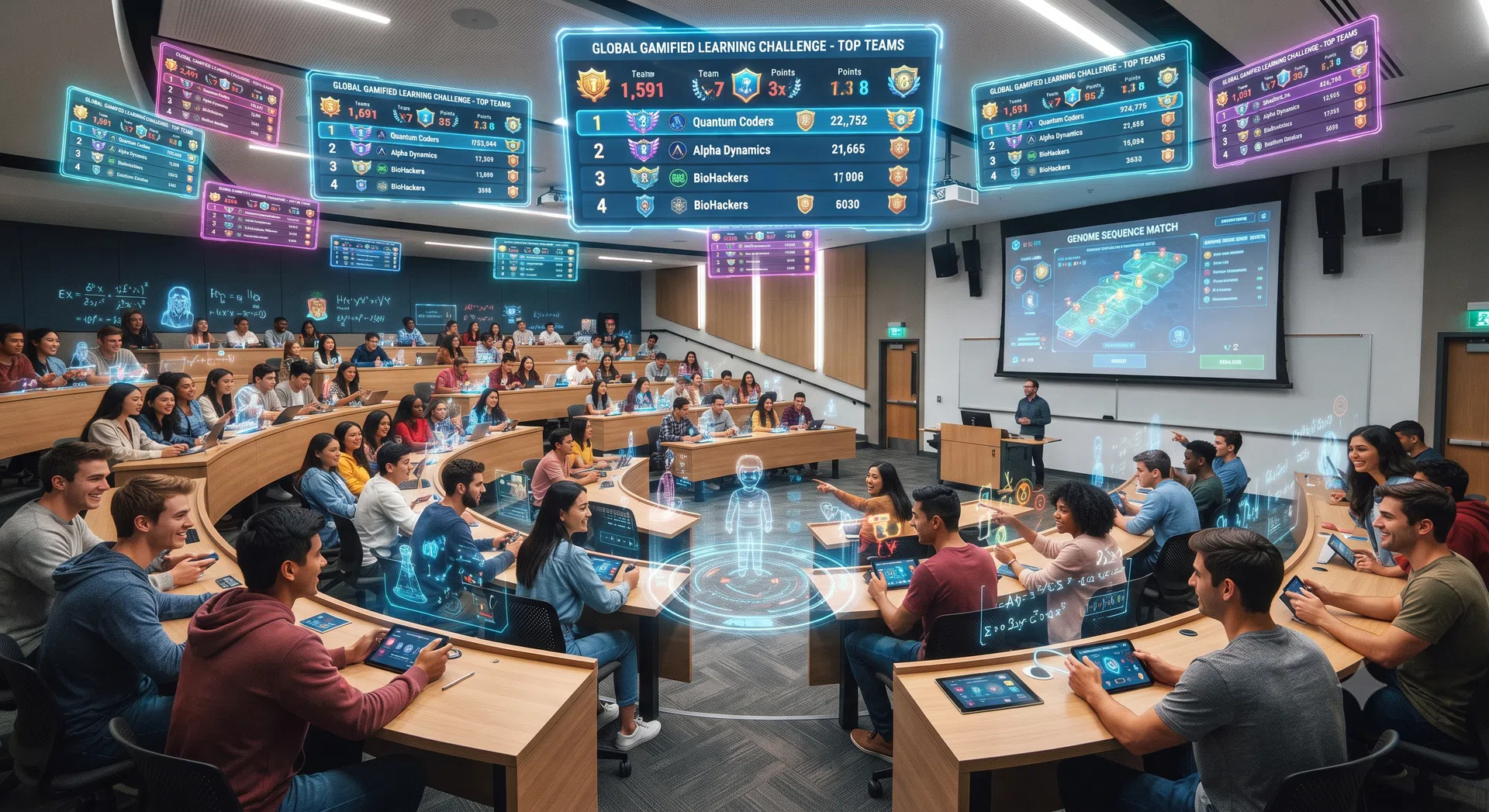
Every education conversation today touches AI, but this summit is dedicating serious discussion time to the role of AI and technology in education — not just as a tool for cheating prevention or content generation, but as a structural shift in how learning happens.
For students, this could mean more personalized learning paths becoming mainstream. For educators, it means grappling with how AI changes assessment, teaching methods, and even what skills are worth teaching. For EdTech companies, the summit's Innovation Expo is a chance to show what's actually working versus what's just marketing.
3. Workforce Readiness — The Question Everyone's Asking
Perhaps the most practical theme for students: workforce readiness. India produces millions of graduates every year, but the gap between what's taught and what employers need remains a persistent concern. Discussions here will likely address:
How curricula are (or aren't) evolving to match industry needs
The role of skilling and vocational training alongside traditional degrees
How universities are partnering with industry to close the employability gap
4. Global Academic Partnerships
With the summit's theme explicitly framing India's education "for the world, with the world," expect substantial discussion on international collaborations — relevant for students considering foreign university tie-ups, study-abroad pathways, or India's growing role hosting international campuses.
Who Should Attend or Follow This Summit
Students and parents making decisions about higher education pathways in the NEP era
Educators and school leaders wanting to understand policy direction before it reaches their institutions
University administrators benchmarking against peer institutions on NEP compliance and innovation
EdTech founders and investors tracking where the sector is heading
Policy watchers who need a pulse check on how NEP 2020 is actually landing on the ground
How to Stay Updated
Registration details for the ET Education Annual Summit 2026 are managed through the official event page — check there for current availability, as passes for large education summits at venues like Yashobhoomi tend to fill up as event dates approach.
Even if you can't attend in person, keeping an eye on the discussions, panel outcomes, and Education Excellence Award winners from this summit is a useful way to gauge where Indian education is actually headed — rather than relying on policy documents alone.
The Bigger Picture
Summits like this matter because education reform in India rarely moves through announcements alone — it moves through the slow, visible friction of implementation, technology adoption, and industry alignment. The ET Education Summit 2026 is essentially a checkpoint: a chance to see, in one place, how far NEP 2020 has actually come, how AI is genuinely changing classrooms, and whether India's graduates are becoming more employable.
For anyone with a stake in Indian education — which is to say, nearly every student, parent, and educator in the country — that's worth paying attention to.