
The Spiritual Heart and Significance of Durga Puja
Introduction to Maha Ashtami
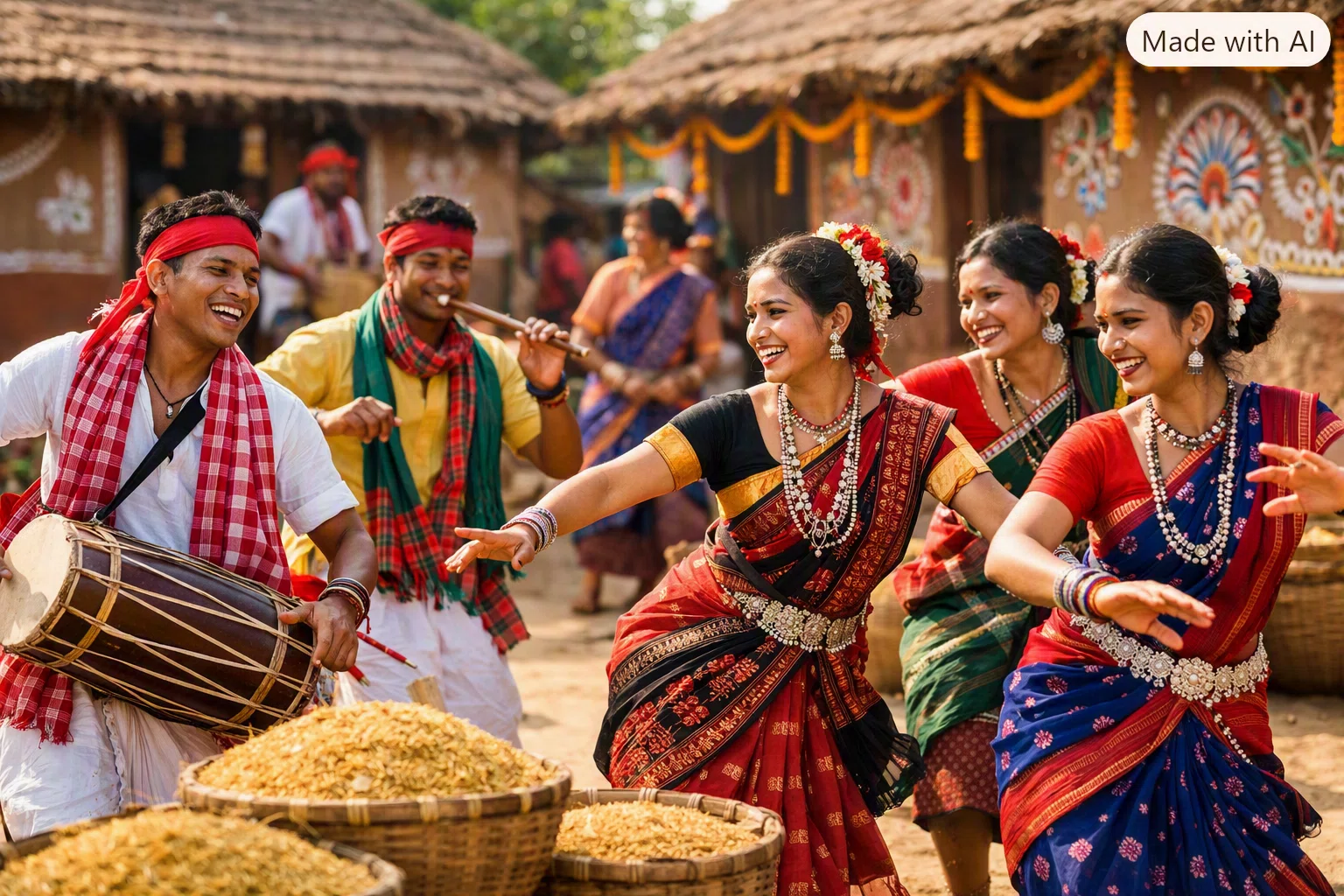
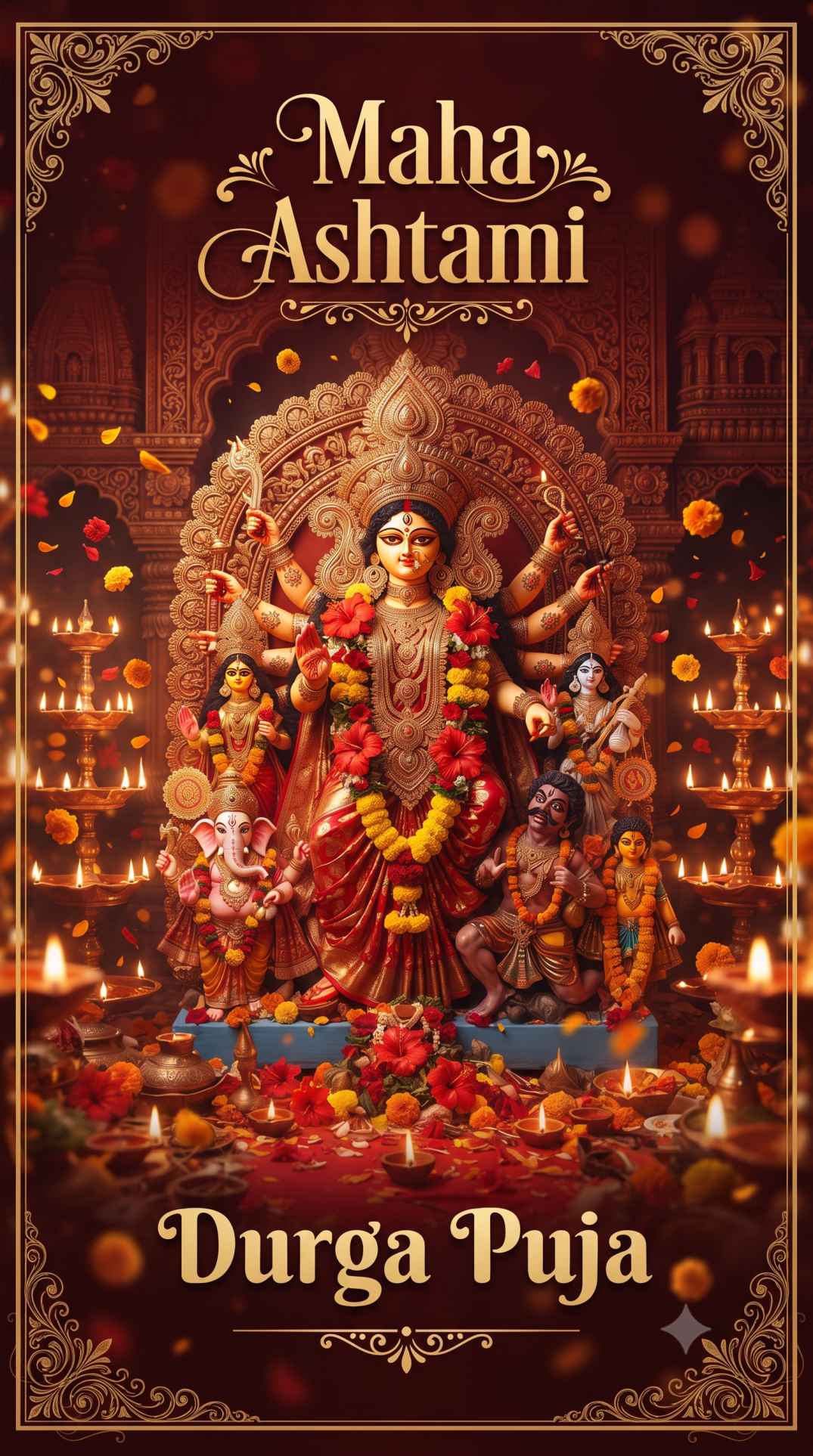
Among the nine days of intense devotion during Navaratri and Durga Puja, Maha Ashtami (the eighth day) holds a place of unmatched reverence, emotional intensity, and spiritual significance. Celebrated with immense grandeur across India—particularly in states like West Bengal, Odisha, Bihar, and Assam—Maha Ashtami represents the absolute zenith of the festival. On this day, devotees witness the divine convergence of fierce cosmic power and maternal grace, as Goddess Durga is worshiped in her most radiant and powerful forms to vanquish negative energies and restore universal order.
The Mythological Origin and Significance of Ashtami
Maha Ashtami is deeply rooted in ancient Hindu scriptures that narrate the relentless battles between the divine forces of light and the demonic forces of ignorance. According to the Markandeya Purana, it was on the eighth day that the fierce manifestation of Goddess Durga, along with her terrifying energetic emanations, engaged in a decisive war against the demon generals Chanda, Munda, and Raktabija.
The day symbolizes the ultimate triumph of righteousness over tyranny. Because the Goddess embodies the collective wrath and protective power of all supreme deities, worshiping her on Maha Ashtami is believed to destroy internal spiritual obstacles, ego, and fear, bestowing protection and spiritual liberation upon her devotees.
Sacred Rituals of Maha Ashtami Morning
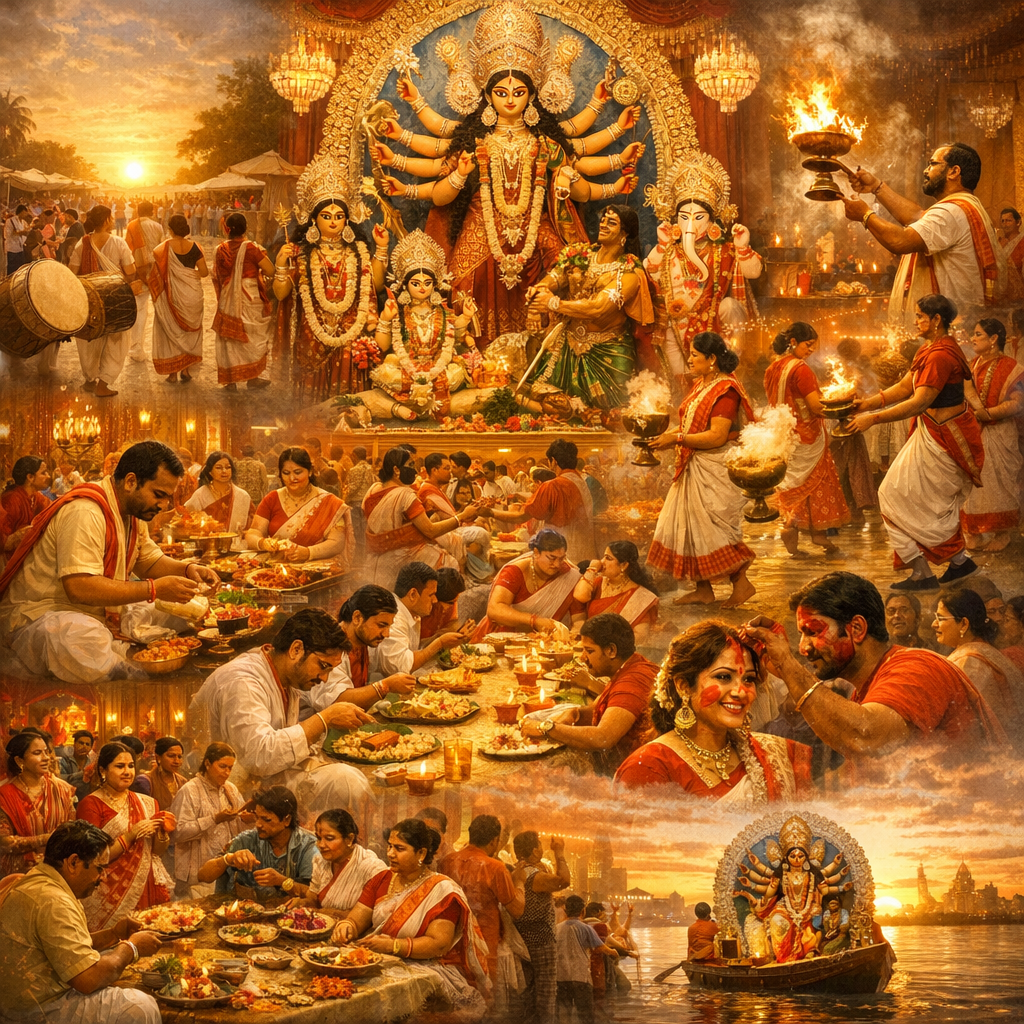
The rituals on Maha Ashtami begin well before sunrise, marked by holy chants, the ringing of temple bells, and the resonant beats of traditional drums (dhaak).
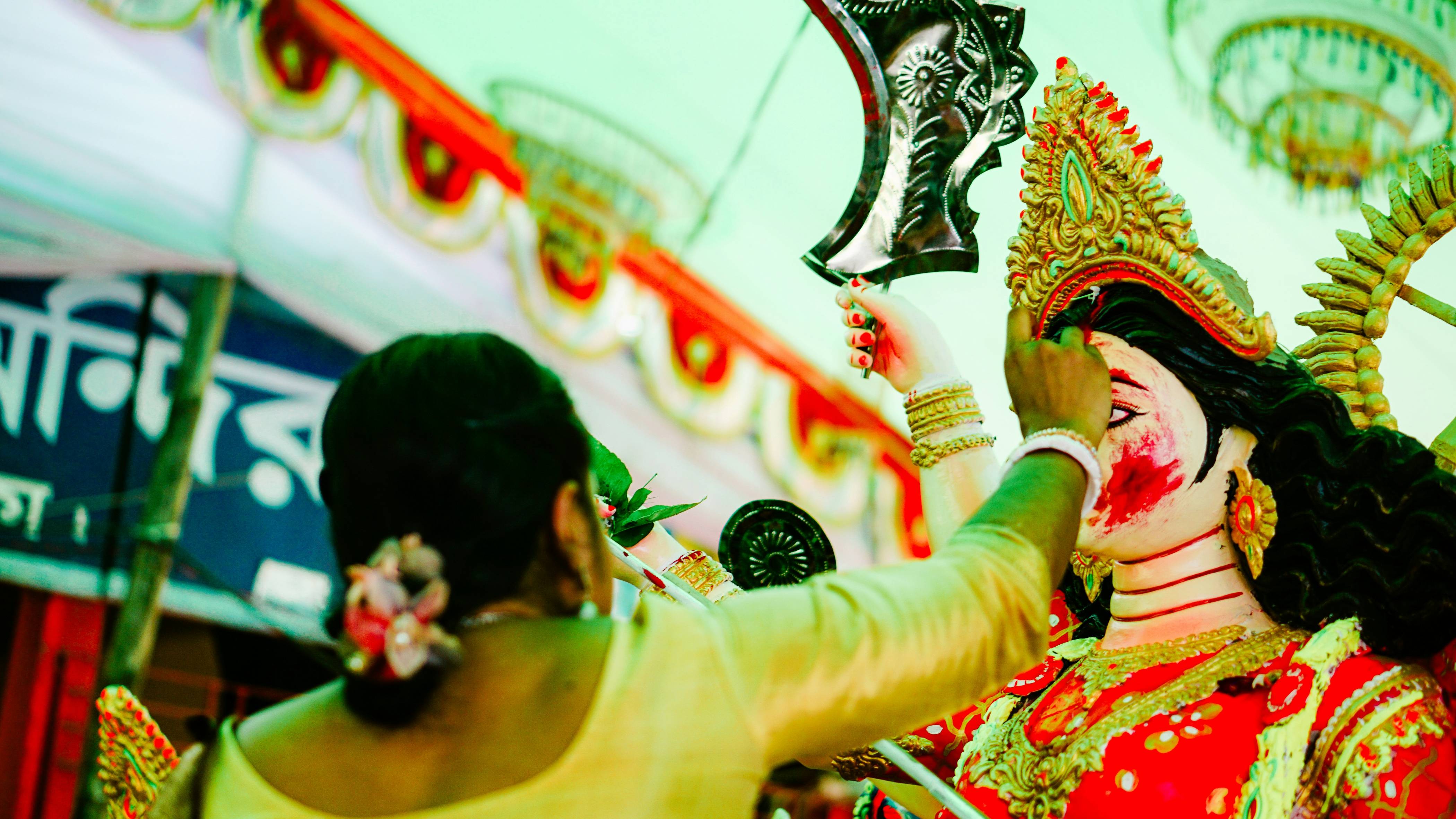
Pushpanjali: Millions of fasting devotees gather in community pandals and temples to offer Pushpanjali—a sacred ritual of offering flowers and bilva leaves at the feet of the Goddess while priests chant powerful Sanskrit mantras.
Astra Pujan (Worship of Weapons): In many traditional households and royal lineages, Maha Ashtami incorporates Astra Pujan, where the weapons of Goddess Durga—symbolizing the righteous duty to protect the innocent and combat evil—are formally cleansed and worshiped.
Kumari Pujan: Honoring the Divine Feminine in Young Girls
One of the most profound and emotionally moving traditions of Maha Ashtami morning is Kumari Pujan (the worship of young girls).
The Selection: Pre-pubescent girls, typically ranging from ages two to ten, are chosen and revered as living, breathing manifestations (avatars) of the Divine Mother before they have attained bodily or spiritual impurity.
The Ritual: Priests and devotees wash the feet of these young girls with sacred water, apply turmeric and vermilion, adorn them with fresh floral garlands, and offer them new clothes and traditional consecrated meals (bhog). This profound ritual serves as a living reminder of the core Vedantic philosophy that the Divine Mother resides within every female form in the universe.
Sandhi Puja: The Sacred Cosmic Transition
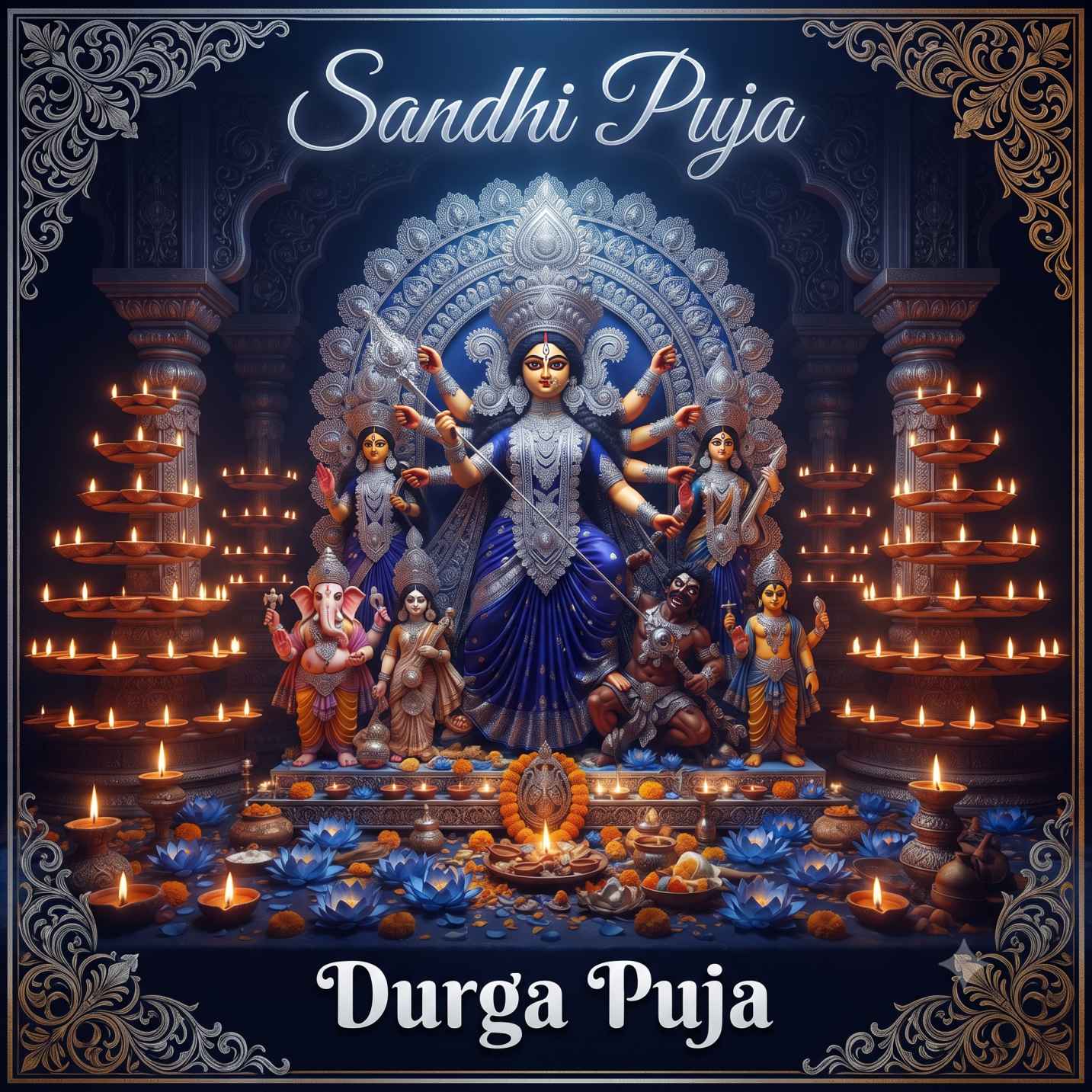
The most spiritually charged and electrifying moment of Maha Ashtami is Sandhi Puja, which takes place precisely during the last 24 minutes of Ashtami and the first 24 minutes of Navami.
The Mythological Window: This transitional juncture (Sandhi Kaal) marks the exact moment when Goddess Durga assumed her terrifying form of Chamunda to slay the powerful demons Chanda and Munda.
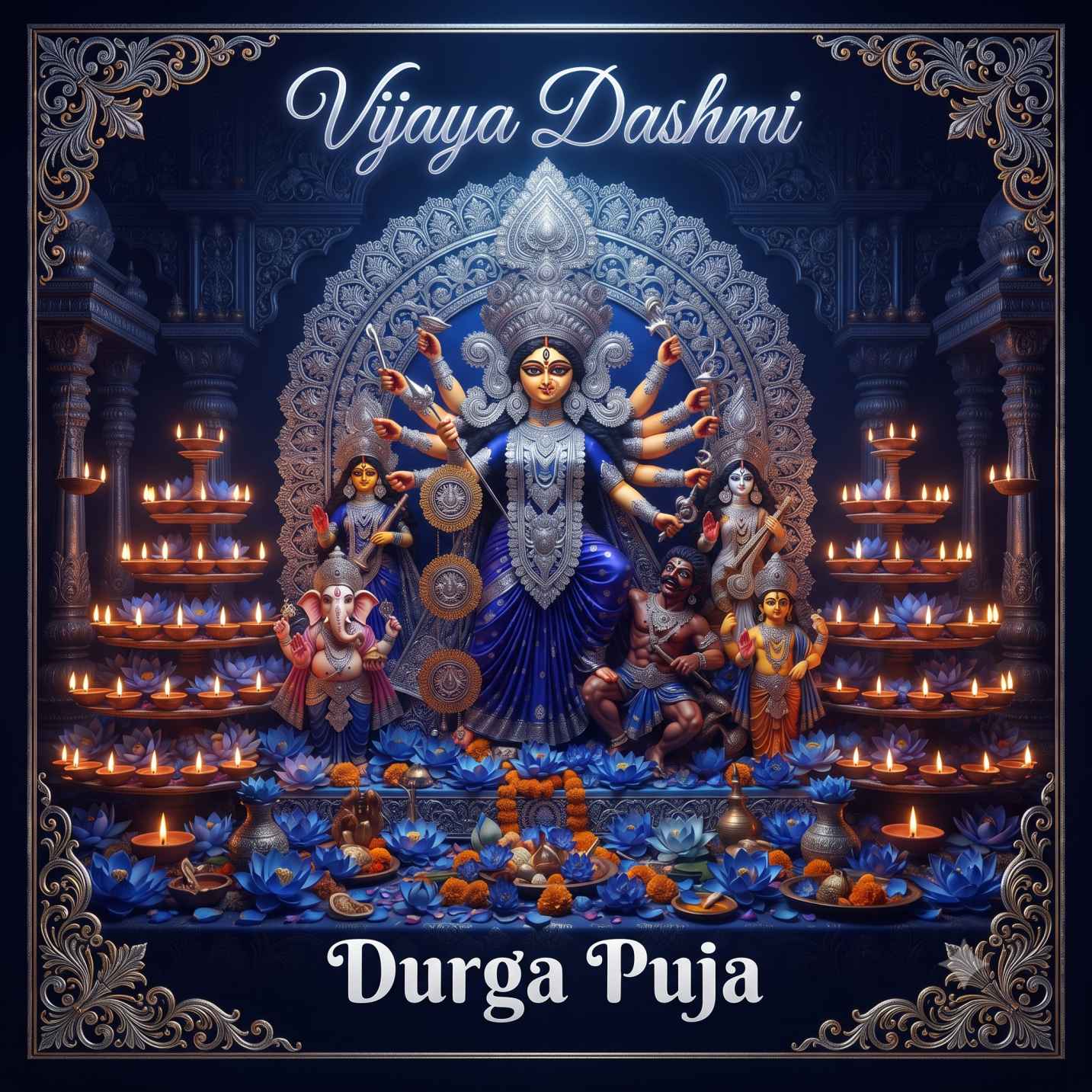
The Observance: During this sacred 48-minute window, temples and pandals light exactly 108 earthen lamps and offer 108 lotus flowers to the Goddess. The atmosphere is thick with incense, conch shells (shankh), and fervent chanting, creating an intensely meditative and spiritually transformative environment for everyone present.
Embracing the Grace of Maha Ashtami
Maha Ashtami is far more than just a calendar date in a festival cycle; it is an immersive spiritual experience that recalibrates the soul. From the early morning flower offerings and the purity of Kumari Pujan to the quiet midnight intensity of Sandhi Puja, Ashtami encapsulates the ultimate beauty of Hindu philosophy.