
World Food Day: Tackling Global Hunger, Sustainability, and Food Security
Introduction to World Food Day
Observed globally on October 16th every year, World Food Day marks the anniversary of the founding of the Food and Agriculture Organization (FAO) of the United Nations in 1945. This international day serves as a powerful call to action to tackle global hunger, promote worldwide food security, and advocate for sustainable agricultural practices. Across more than 150 countries, governments, civil society organizations, researchers, and communities unite on this day to raise awareness about the systemic inequalities and challenges underpinning global food systems.
Historical Origin and Core Objectives
The establishment of World Food Day emerged from the pressing international necessity to eradicate hunger and malnutrition on a permanent basis:
The FAO Initiative: Proposed in November 1979 by member nations of the FAO and spearheaded by former Hungarian Minister of Agriculture and Food Dr. Pál Romány, World Food Day has been observed annually since 1981.
Primary Goals: The observance aims to encourage global solidarity in the fight against hunger, promote technology sharing in agriculture, foster cooperation among developing nations, and draw public attention to the production and nutritional aspects of food.
Global Challenges: Hunger, Waste, and Climate Change
Despite global food production being technically sufficient to feed the entire planetary population, severe distribution imbalances, environmental pressures, and systemic flaws threaten food security:
Food Waste and Loss: Nearly one-third of all food produced globally for human consumption is lost or wasted annually due to inadequate infrastructure, poor cold storage supply chains, and consumer carelessness.
Climate Vulnerability: Extreme weather events, prolonged droughts, shifting rainfall patterns, and land degradation severely reduce agricultural yields, putting farming communities at immediate economic risk.
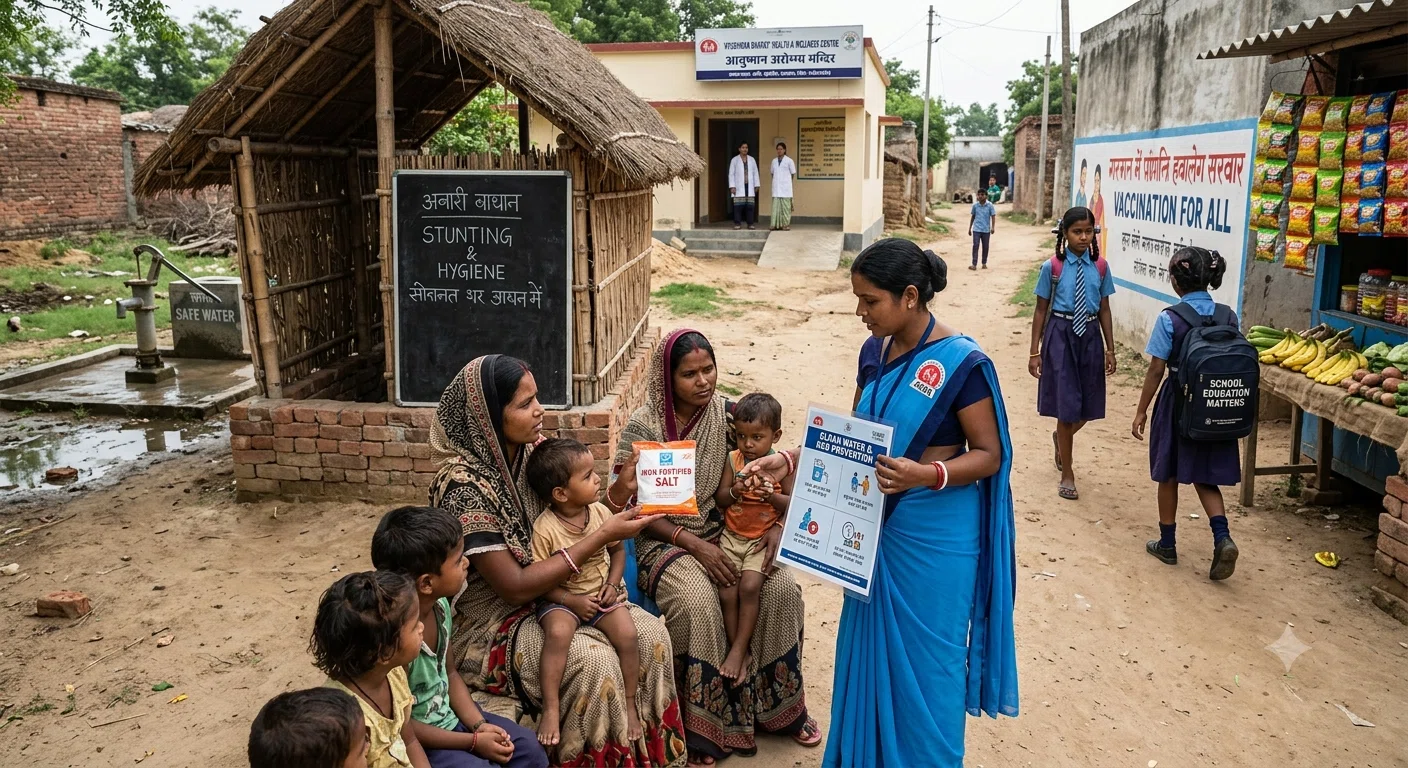
Poverty and Economic Inequality: Lack of financial purchasing power prevents millions of vulnerable individuals from accessing safe, nutrient-rich diets, keeping them trapped in cycles of chronic malnutrition.
Shifting Toward Sustainable Food Systems
Achieving a "Zero Hunger" future requires moving beyond temporary food aid toward profound structural changes in how food is grown, processed, and consumed:
Promoting Regenerative Agriculture: Encouraging eco-friendly farming techniques—such as organic crop rotation, efficient water conservation, and reduced chemical pesticide use—helps protect topsoil and biodiversity.
Leveraging Agricultural Innovation: Integrating modern technologies, including climate-smart crop forecasting, efficient supply-chain logistics, and precision farming, optimizes resource efficiency.
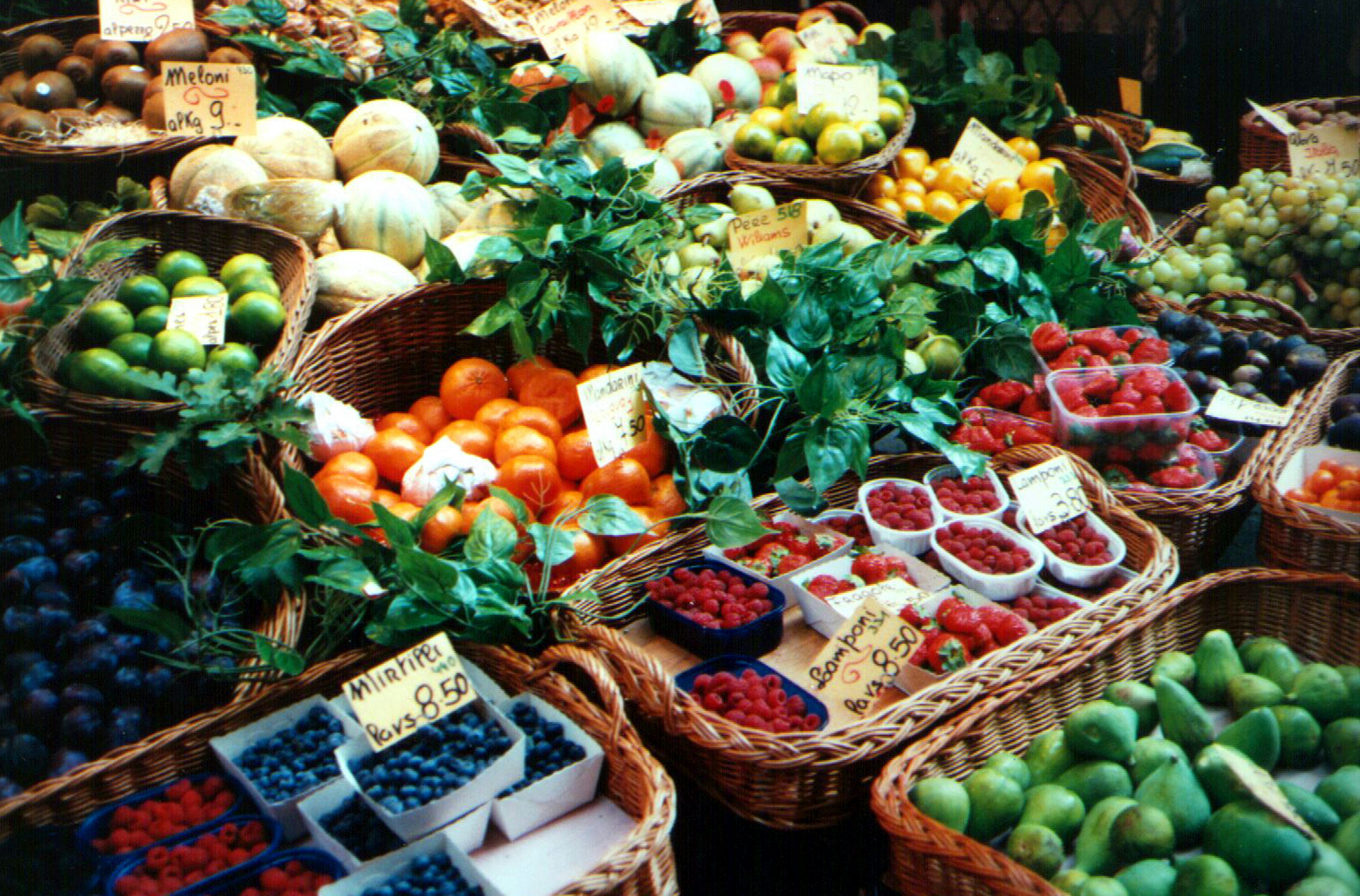
Empowering Local Economies: Supporting smallholder farmers and sourcing seasonal produce locally lowers carbon footprints while strengthening rural community livelihoods.
Actionable Steps: How Individuals Can Contribute
Creating a sustainable, food-secure world does not rest solely on policymakers; individual consumer choices play a vital role:
Minimize Food Waste: Plan weekly grocery purchases carefully, store perishables properly, and creatively reuse leftovers to reduce household waste.
Adopt Conscious Diets: Incorporate more plant-rich foods and sustainable alternatives into daily meals to lower environmental strain.
Support Community Initiatives: Volunteer at local food banks, participate in community kitchen programs, or donate to hunger-relief organizations providing meals to vulnerable populations.
Conclusion: A Shared Global Responsibility
World Food Day is much more than an annual reminder of global statistics; it is an urgent appeal for collective empathy and action. By transforming agricultural systems, reducing waste, and guaranteeing equitable access to safe and nutritious food, humanity can build a resilient, hunger-free future where every individual enjoys their fundamental right to nourishment.