
Colleges and universities serve as engines of social progress, scientific discovery, and economic mobility. Beyond conferring degrees, higher education institutions play a vital role in advancing public health. By serving as living laboratories for wellness, incubators for medical breakthroughs, and healthcare anchors for surrounding communities, universities shape health outcomes on local, national, and global scales.
How do institutes promote public health?
Universities advance public health across four key pillars:
Medical Research: Conducting epidemiological studies, developing vaccines, and modeling health policies.
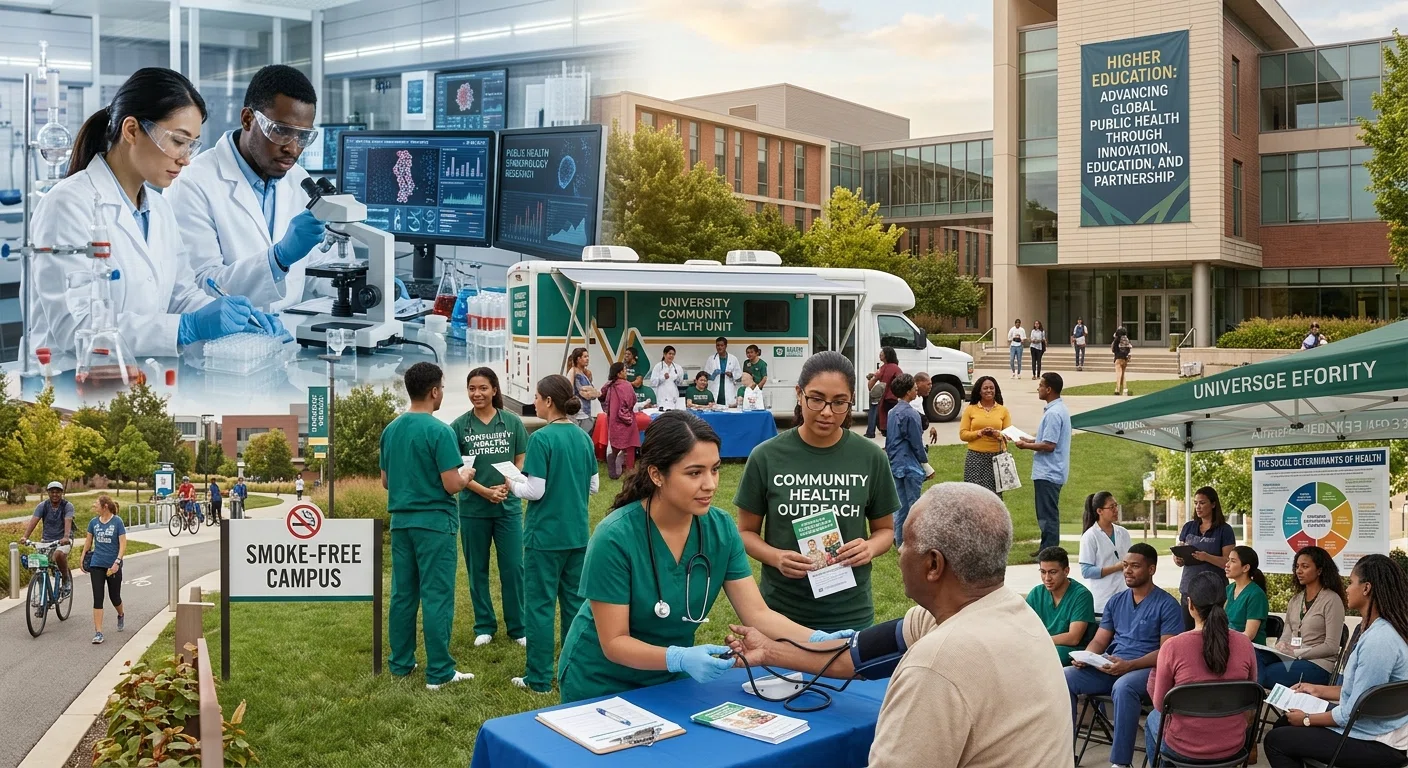
Community Healthcare: Offering direct care through academic medical centers, free clinics, and mobile outreach programs.
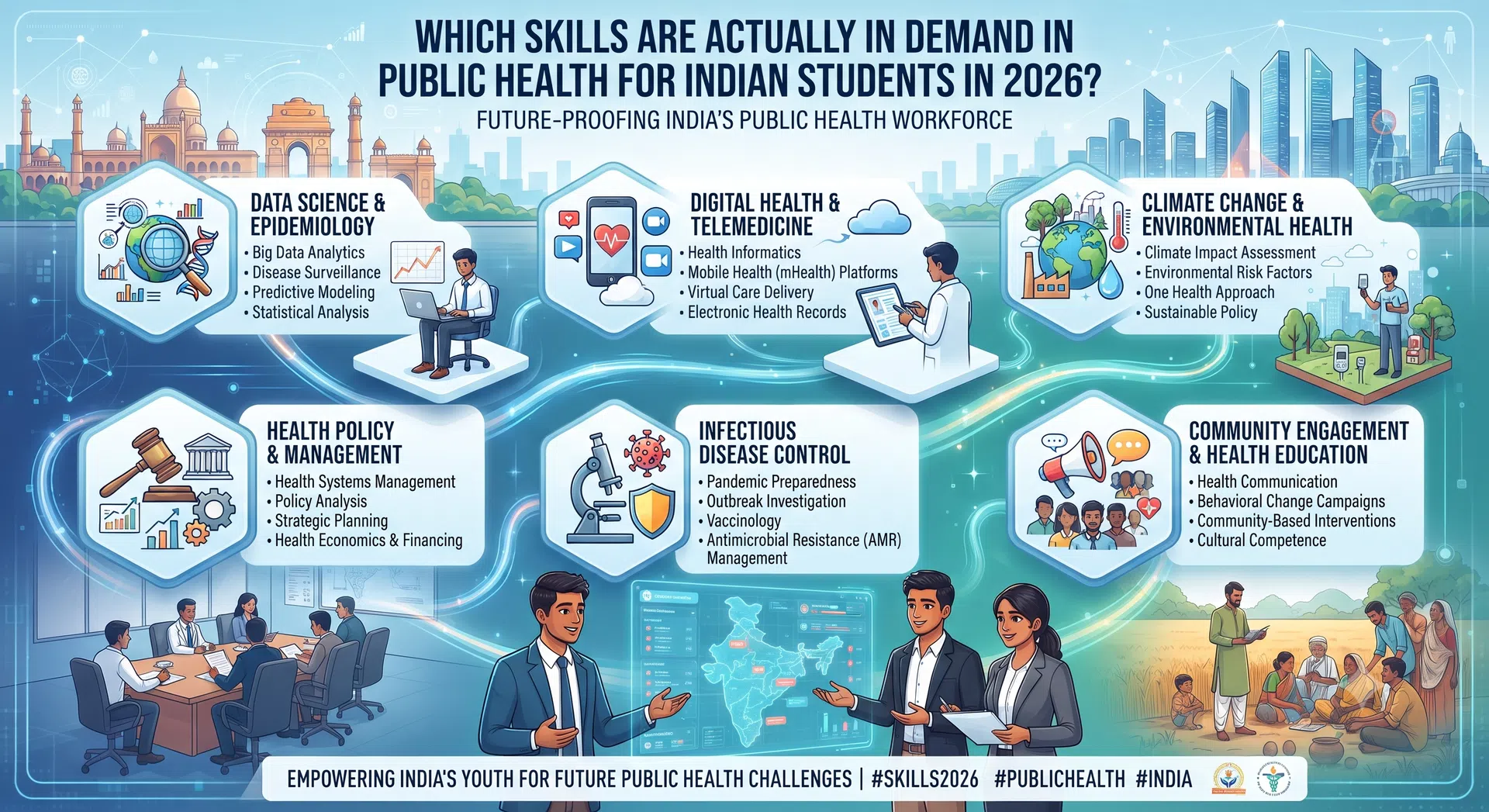
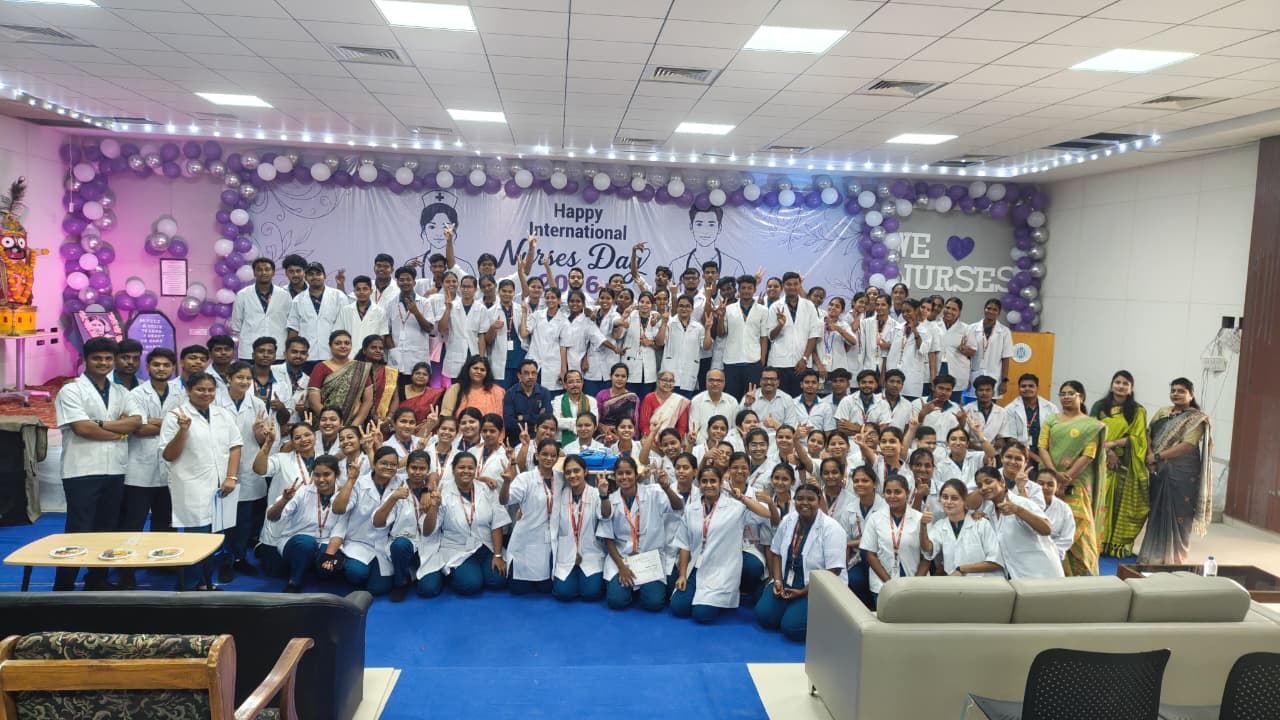
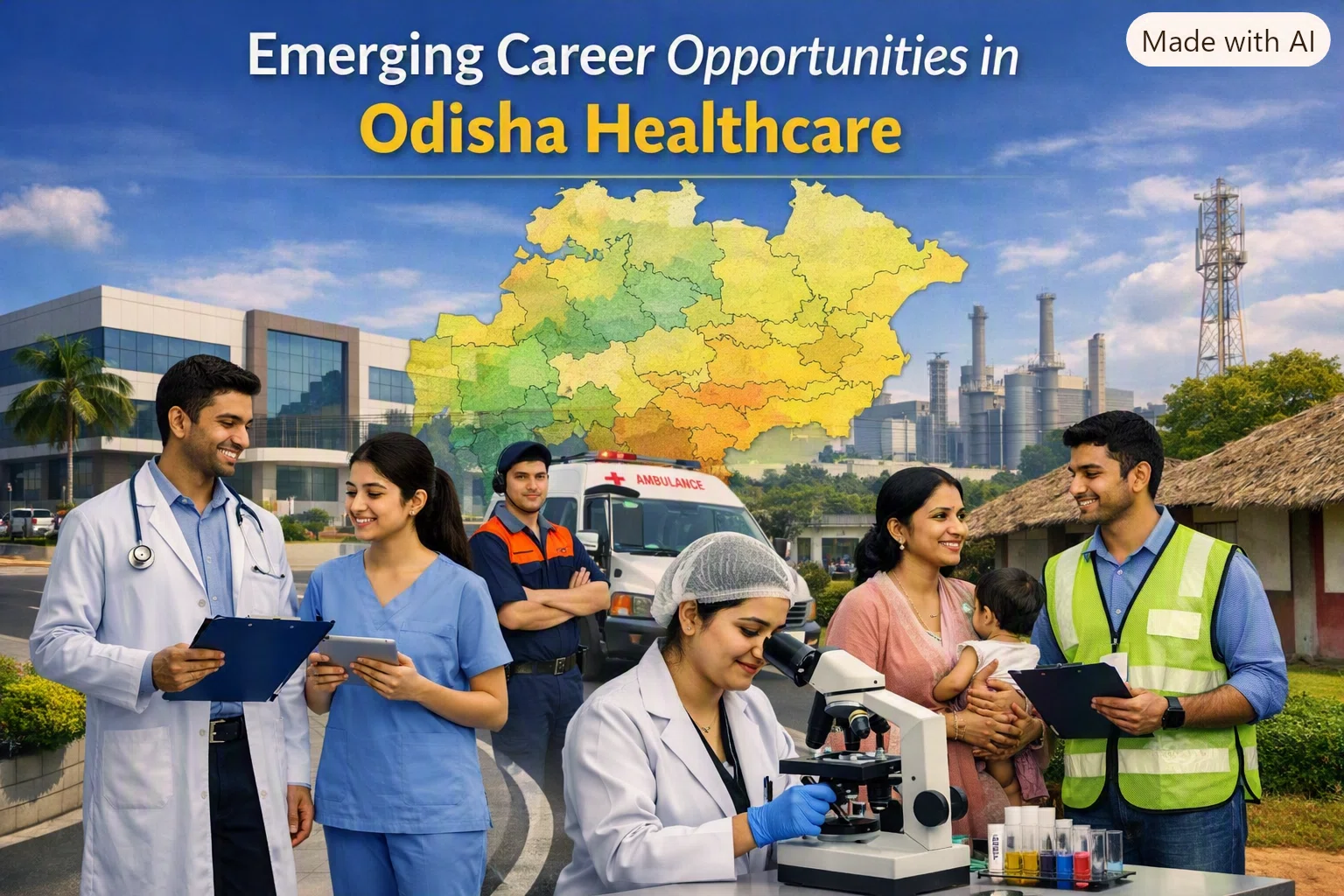
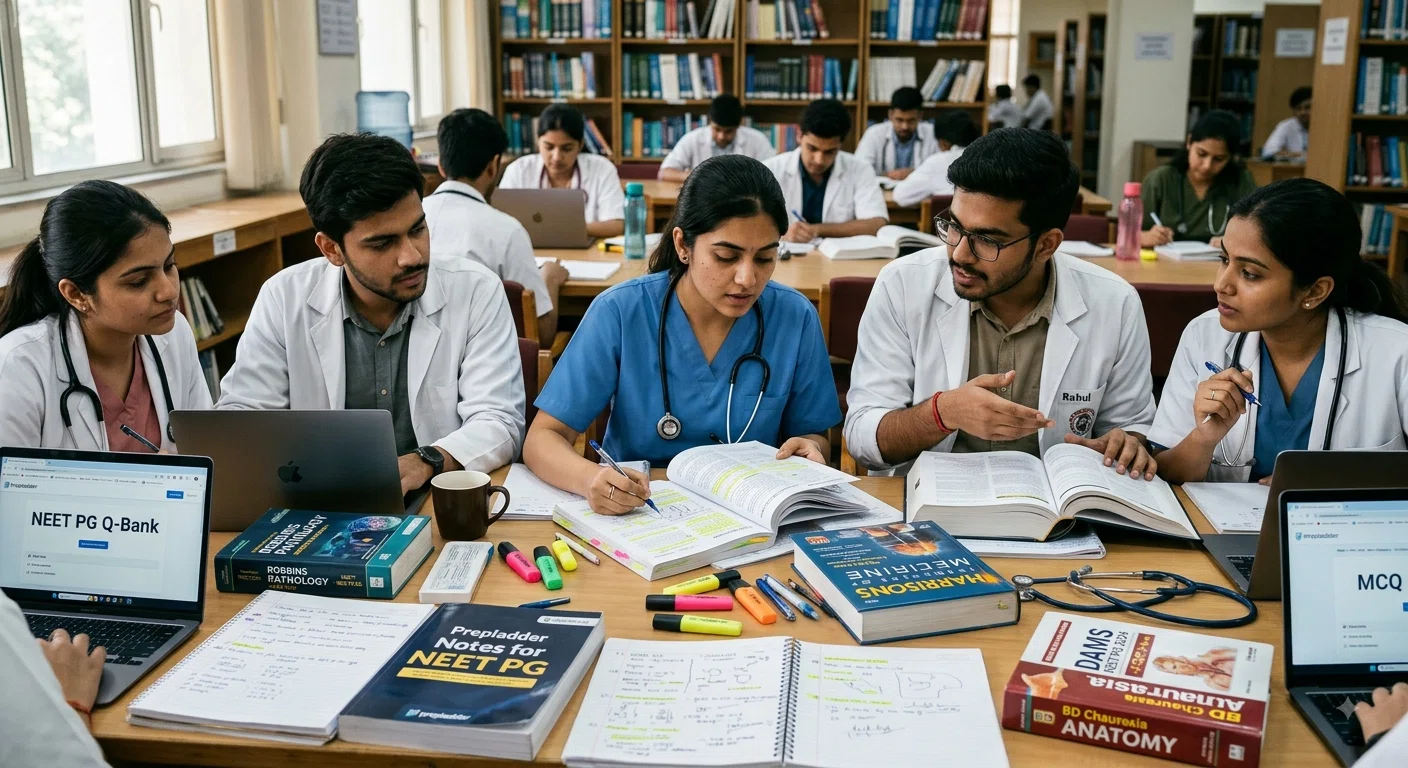
Workforce Development: Training future physicians, nurses, epidemiologists, and community health specialists.
Campus Environment: Implementing health-promoting policies that protect student mental and physical well-being.
1. Driving Breakthrough Research and Evidence-Based Policy
Higher education institutions act as primary engines for scientific and medical innovation. Supported by federal agencies like the National Institutes of Health (NIH) and the Centers for Disease Control and Prevention (CDC), university labs investigate complex health challenges—from chronic disease prevention to emerging infectious threats.
Translational Medicine
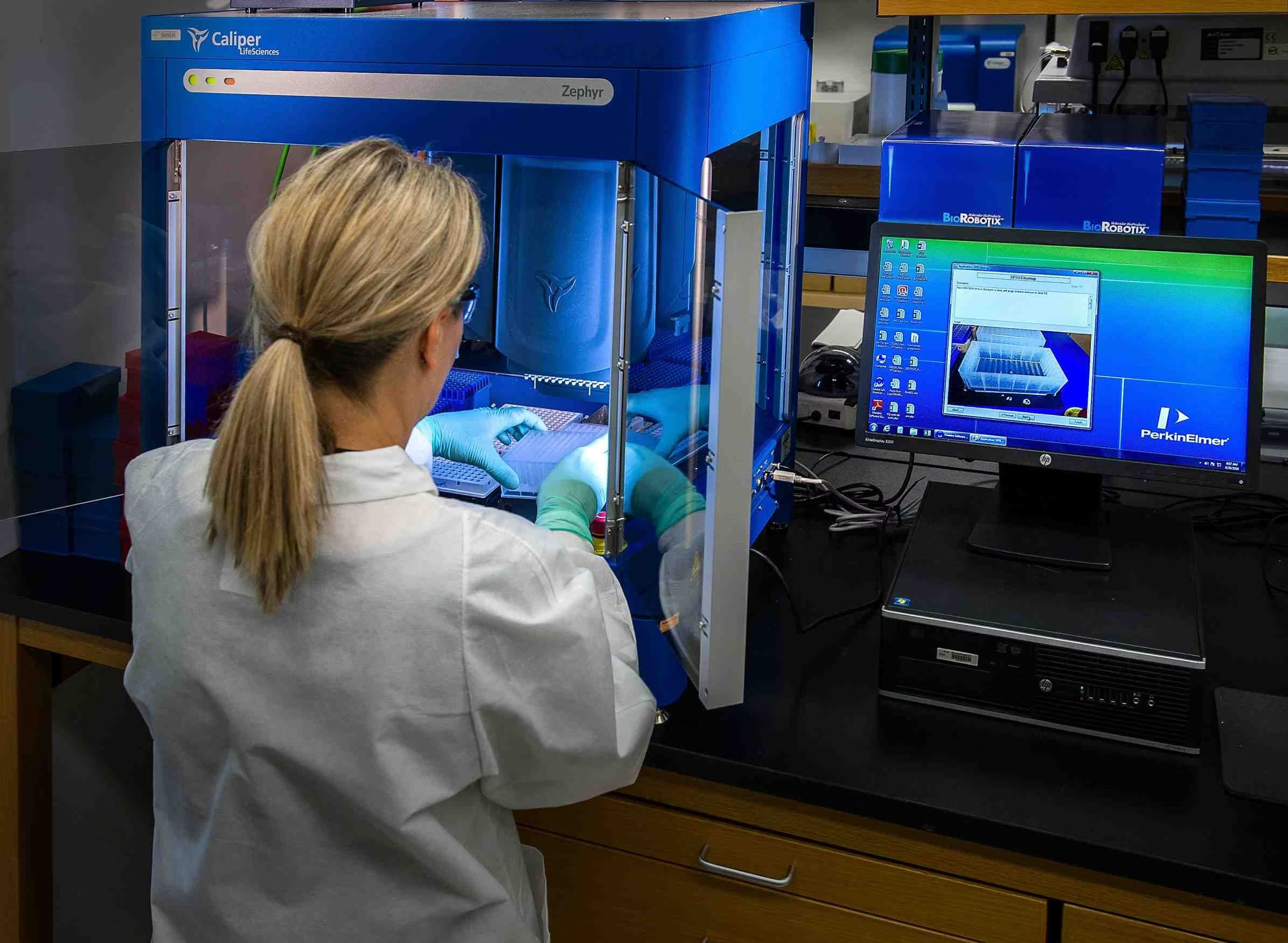
Universities bridge the gap between basic laboratory science and clinical care. Laboratory breakthroughs in higher education institutions routinely yield novel pharmaceuticals, diagnostic devices, and preventative strategies that reduce global disease burdens.
Data-Driven Public Health Policy
Academic researchers provide municipal, national, and international health agencies with vital data. By developing epidemiological models, evaluating health disparities, and analyzing intervention outcomes, university scholars equip decision-makers with the evidence needed to craft effective public health policy.
2. Serving as Anchor Institutions for Community Healthcare
Academic medical centers (AMCs) and health science schools frequently function as essential safety-net providers for surrounding regions, directly addressing health equity and access.
Direct Care and Mobile Health Outlets
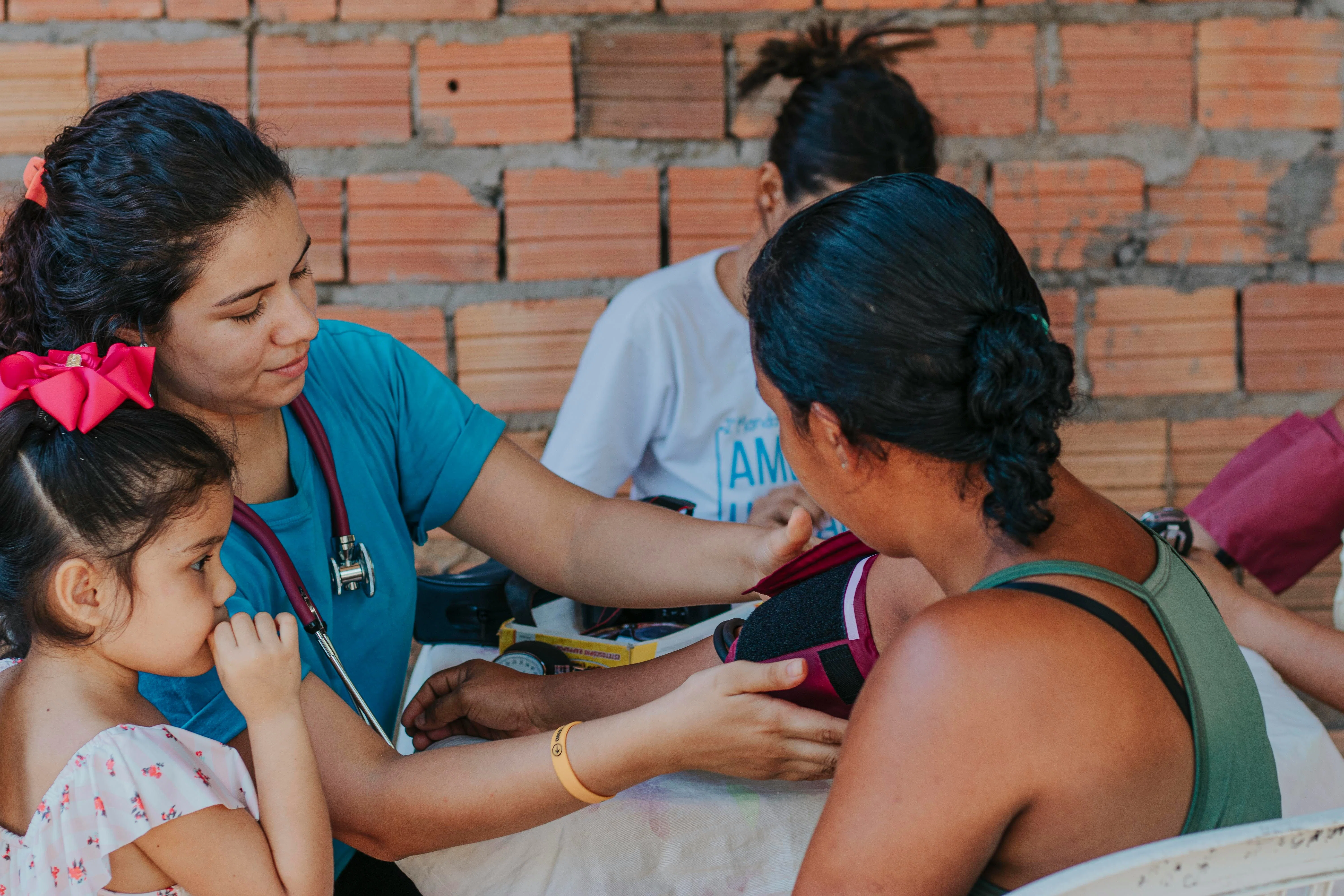
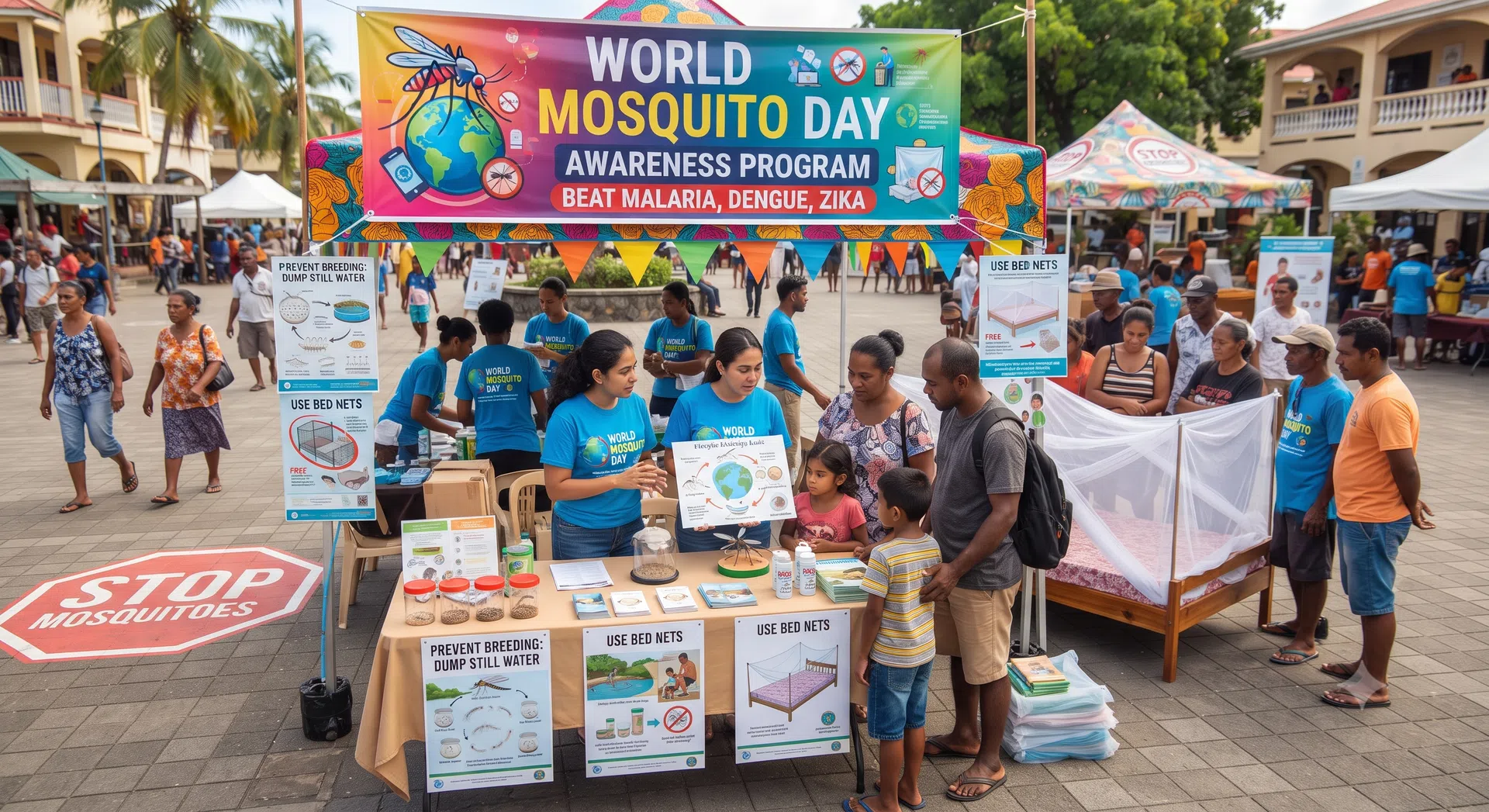
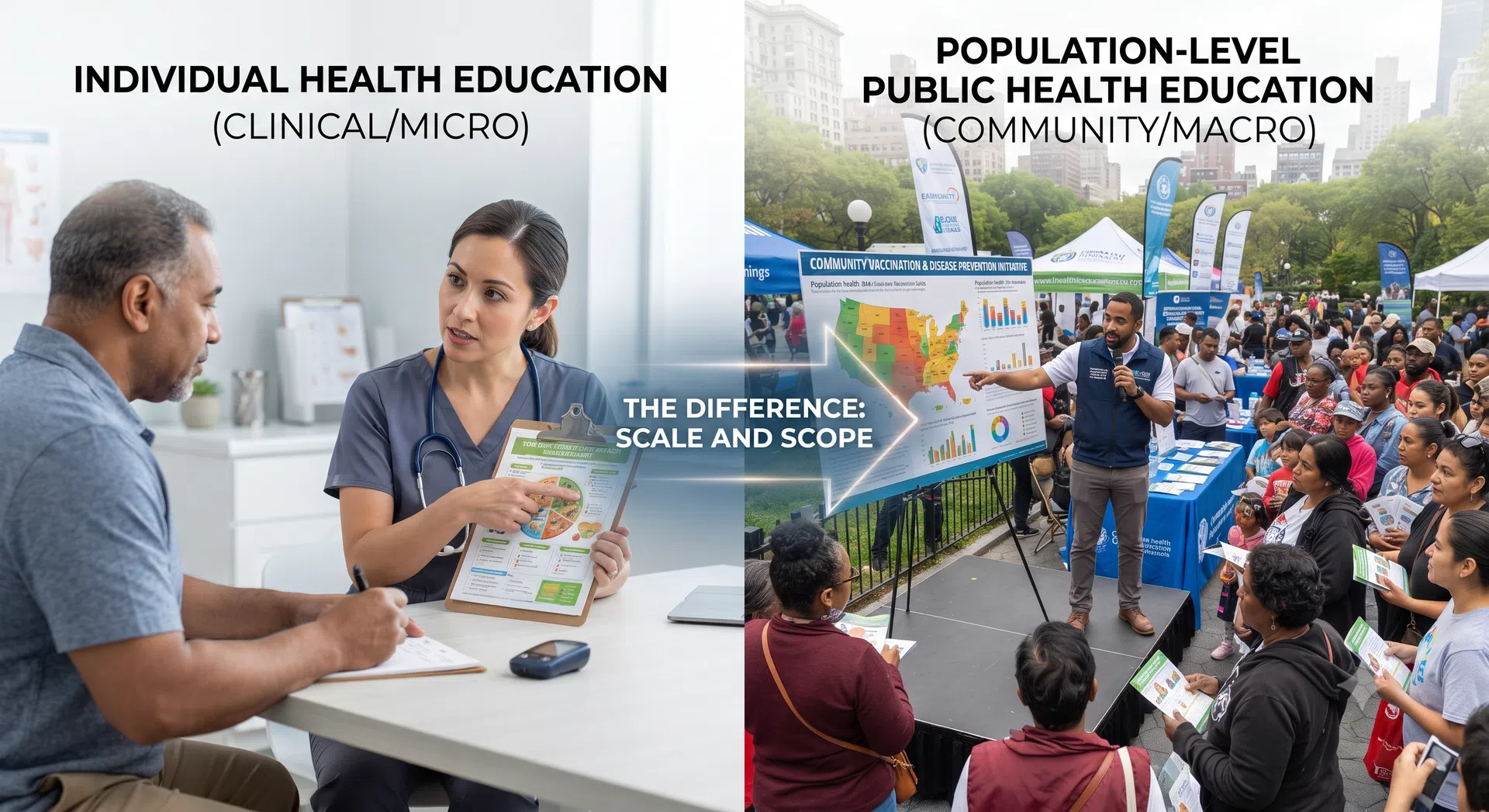
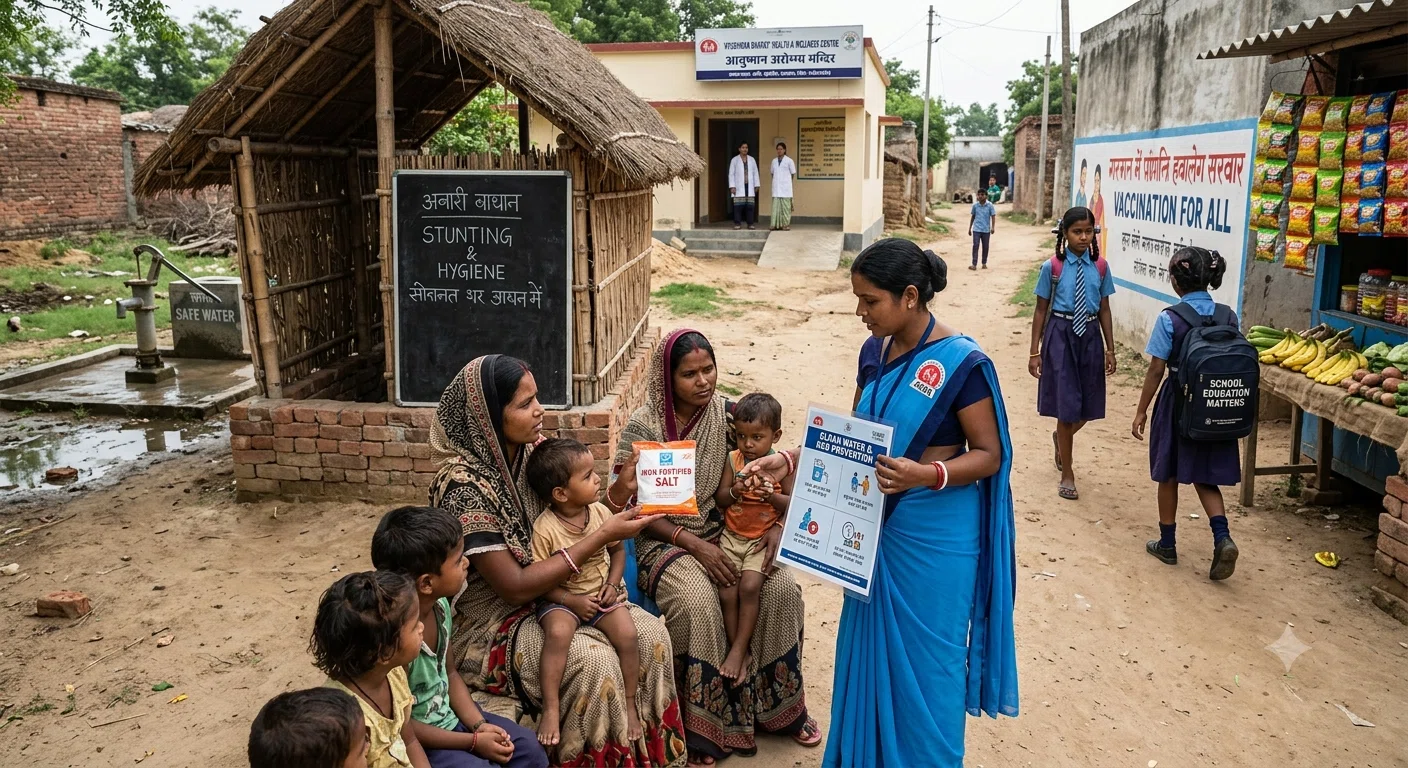
University-affiliated hospitals, dental clinics, and student-led health initiatives deliver critical preventative and primary care to uninsured and low-income populations. Mobile health units operated by public health departments bring screenings, vaccinations, and prenatal support directly into underserved neighborhoods.
Health Literacy and Outreach Campaigns
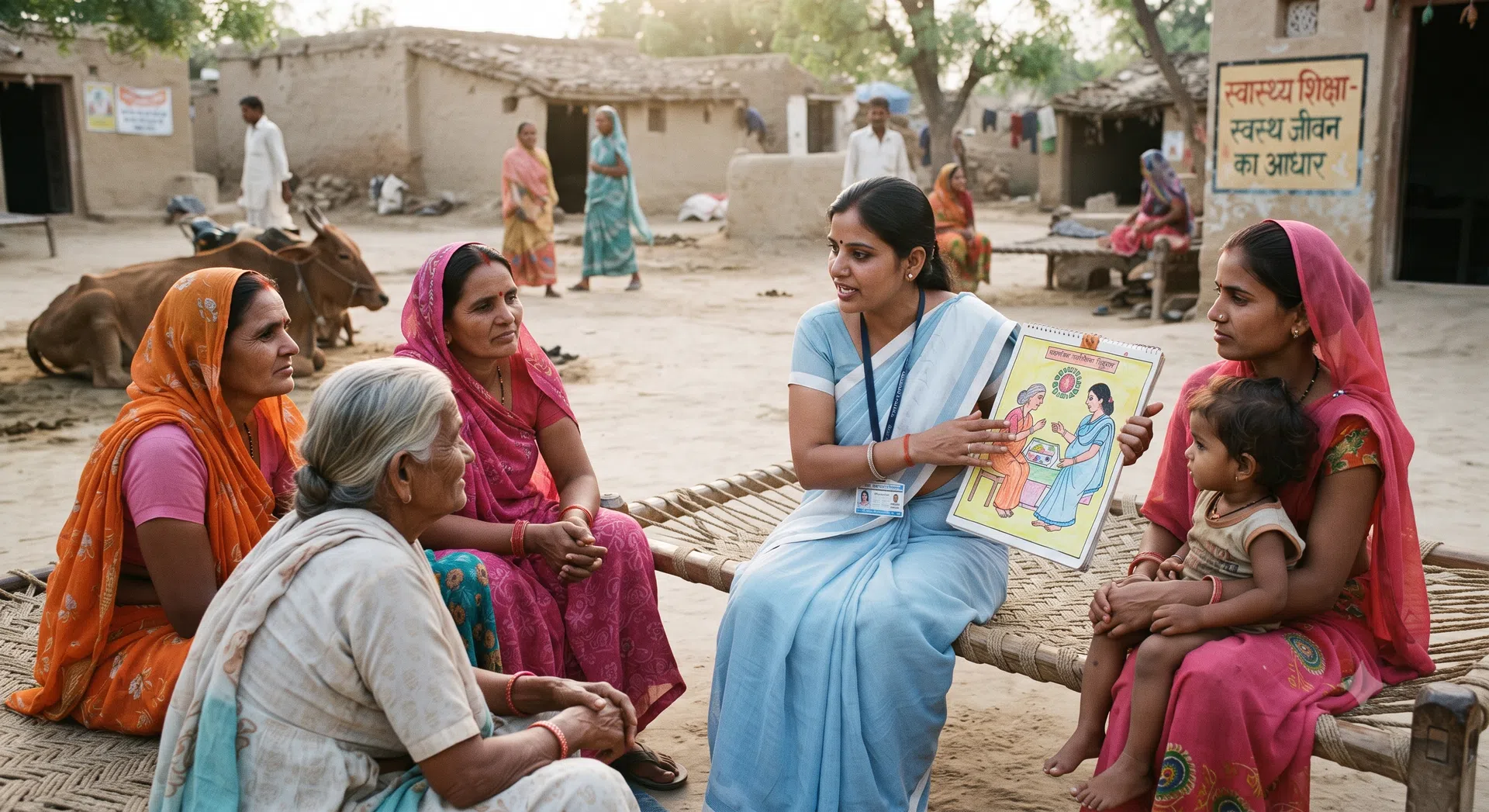
Universities extend their educational mission into local communities by hosting public workshops on nutrition, chronic disease management, addiction recovery, and maternal health. These initiatives empower residents with actionable, science-based health knowledge.
3. Fostering Health-Promoting Campus Environments
Recognizing their role as residential micro-communities, many higher education institutions align with international frameworks like the Okanagan Charter to embed health and well-being into every aspect of campus culture and administration.
Dimension of Wellness Campus Strategic InitiativesBroader Public Health Impact Physical Health:
Walkable campus design, smoke-free zone policies, accessible fitness facilities, and nutritious dining options. Reduces sedentary behavior, lowers rates of lifestyle-related chronic illness, and instills lifelong habits.
Mental Health-Scaled tele-counseling, 24/7 crisis response, peer support networks, and campus-wide stress reduction initiatives. Addresses rising anxiety and depression rates among young adults, improving resilience and academic retention. Infectious Disease Control-On-campus health centers offering routine immunizations, rapid testing, and outbreak response protocols. Prevents rapid disease transmission within high-density student populations.
4. Educating the Next-Generation Healthcare Workforce
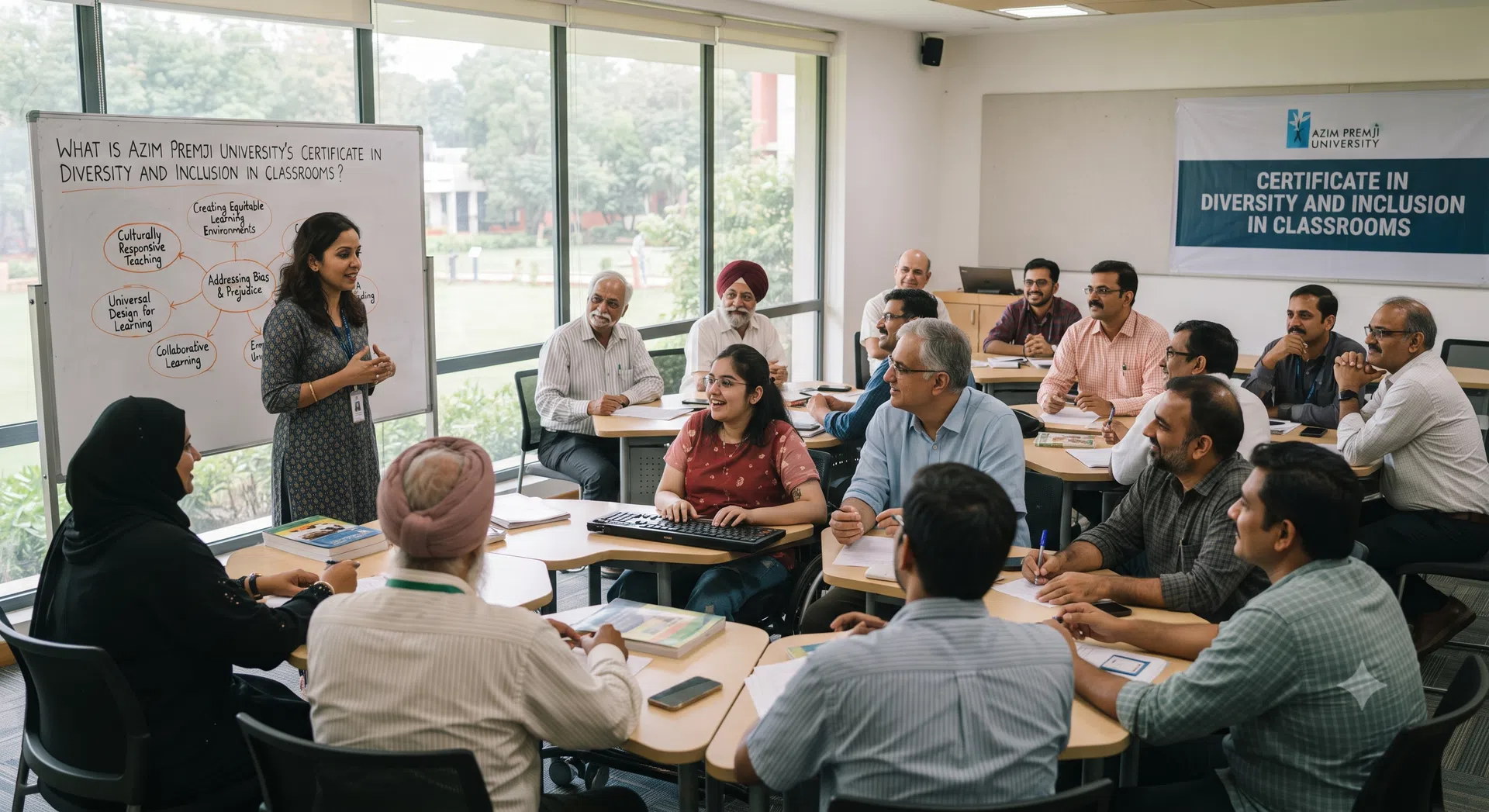
The long-term resilience of global health systems depends on a well-trained, adaptable workforce. Higher education institutions fulfill this mandate by preparing healthcare professionals across interdisciplinary fields.
Interdisciplinary Training
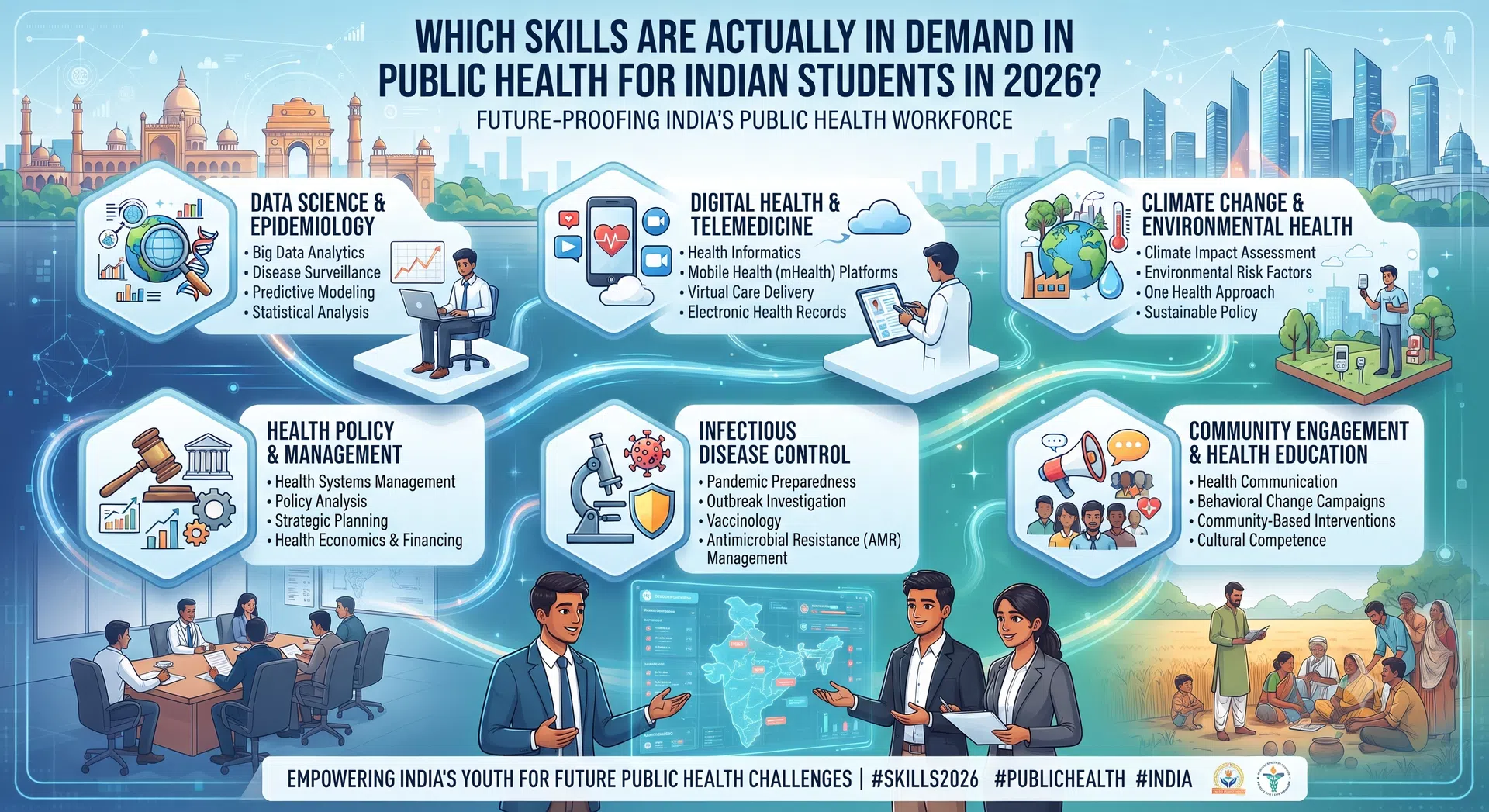
Modern public health challenges require cross-sector solutions. Higher education programs increasingly break down traditional academic silos by offering joint degrees that combine public health with data analytics, environmental science, urban planning, and public policy.
Addressing Healthcare Staffing Shortages
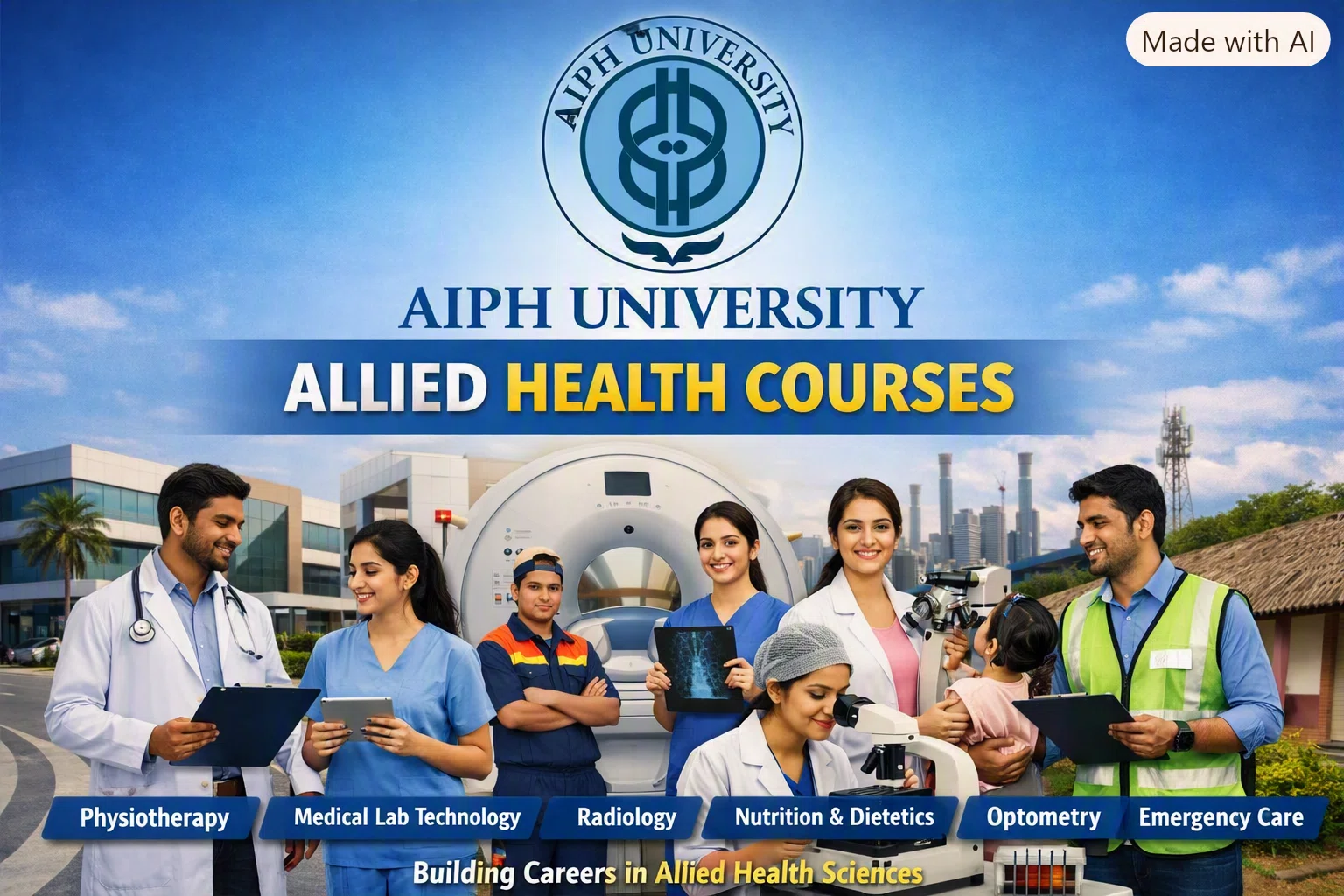
By expanding nursing, medical, and public health degree pipelines—and integrating mandatory community health rotations—colleges address severe professional shortages while training practitioners to treat the social determinants of health.
References