
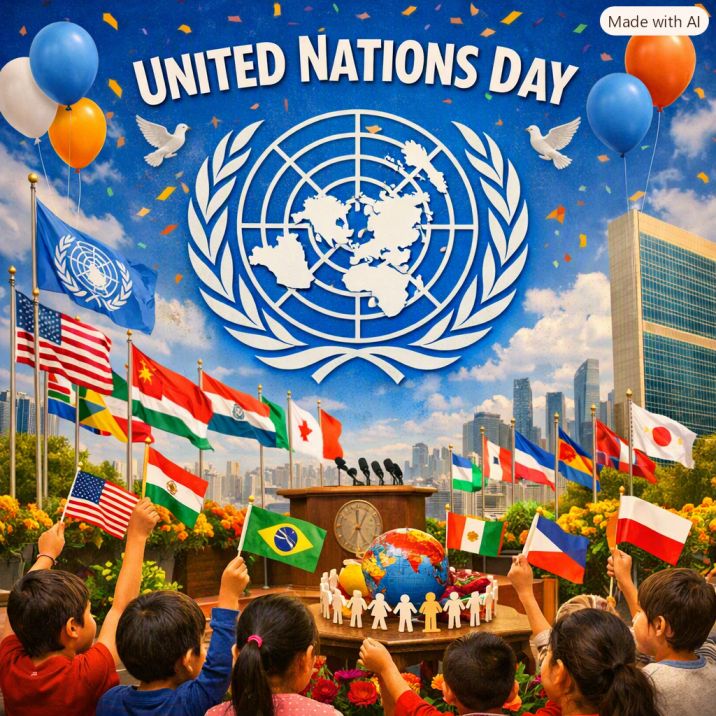
United Nations Day: Celebrating Global Peace, Cooperation, and Diplomacy
Introduction to United Nations Day
Observed annually on October 24th, United Nations Day marks the official anniversary of the entry into force of the UN Charter in 1945. Ratified by a majority of its founding members—including the permanent members of the Security Council—this foundational document officially brought the United Nations into existence. Across the globe, UN Day serves as an annual occasion to amplify the organization's core agenda, evaluate its humanitarian and peacekeeping achievements, and reaffirm international commitment to peace, human rights, and sustainable development.
Historical Origins and the Birth of the UN
The establishment of the United Nations emerged from the devastating ashes of World War II, as global leaders sought to prevent future global conflicts and catastrophic loss of life.
The San Francisco Conference: In 1945, delegates from 50 nations met in San Francisco at the United Nations Conference on International Organization to draft and sign the UN Charter.
Official Inception: On October 24, 1945, the Charter officially took effect, establishing a multilateral framework designed to maintain international peace and security, foster friendly relations among nations, and promote social progress and better living standards.
Core Pillars and Global Mission
The United Nations operates across multiple critical pillars to address the world's most complex challenges:
Peacekeeping and Conflict Resolution: Deploying international peacekeeping missions to war-torn regions to protect civilians, enforce ceasefires, and facilitate political settlements.
Human Rights Protection: Upholding the Universal Declaration of Human Rights, ensuring that every individual is treated with dignity, equality, and legal protection regardless of race, gender, or nationality.
Sustainable Development Goals (SDGs): Leading global initiatives to eradicate extreme poverty, combat climate change, improve global health, and expand access to quality education through the 2030 Agenda.
Modern Challenges and Diplomatic Relevance
While the UN has successfully prevented a third world war and facilitated decolonization, contemporary geopolitical realities present complex new tests:
Transnational Crises: Addressing modern challenges such as climate displacement, international terrorism, cyber warfare, and global pandemics requires unprecedented levels of multilateral cooperation.
Reforming Global Governance: Calls continue to grow for reforming key UN bodies—such as the Security Council—to better reflect contemporary geopolitical realities and give equitable representation to developing nations.
How the World Observes United Nations Day
Governments, civil society organizations, and academic institutions observe October 24th through diverse educational and cultural programs:
Global Seminars and Debates: Universities and think tanks host discussions on international law, diplomacy, and the future of multilateralism.
Cultural Exchanges: Schools organize model UN conferences, art exhibitions, and cultural showcases highlighting global diversity and international friendship.
Messages from Leadership: The UN Secretary-General issues an annual address on October 24th, rallying member states to renew their dedication to cooperative global problem-solving.