

National Education Day: Honoring Maulana Abul Kalam Azad and Shaping the Future of Learning
Observed annually on November 11, National Education Day in India commemorates the birth anniversary of Maulana Abul Kalam Azad—an eminent freedom fighter, scholar, and the independent nation’s first Minister of Education. Formally established by the Ministry of Human Resource Development in 2008, this day serves as a nationwide tribute to a visionary leader who laid the foundation for modern India's educational, scientific, and institutional framework.
Beyond honoring a historic legacy, National Education Day provides a vital platform to evaluate educational progress, bridge socio-economic gaps, and reaffirm the commitment to inclusive, high-quality learning for all.
The Vision and Legacy of Maulana Abul Kalam Azad
Maulana Abul Kalam Azad served as India's Education Minister from 1947 to 1958, steering the newly independent nation through critical formative years. He firmly believed that education was the ultimate equalizer and a fundamental prerequisite for national democracy, economic self-reliance, and social justice.
During his tenure, Azad championed several transformative initiatives:
Universal Primary Education: Advocating for free and compulsory primary education for all children regardless of background or gender.
Institutional Architecture: Laying the groundwork for premier higher education and research bodies, including the establishment of the University Grants Commission (UGC), the All India Council for Technical Education (AICTE), and the first Indian Institutes of Technology (IIT).
Scientific and Technical Focus: Emphasizing specialized technical and scientific training to empower youth to drive national industrialization and global competitiveness.
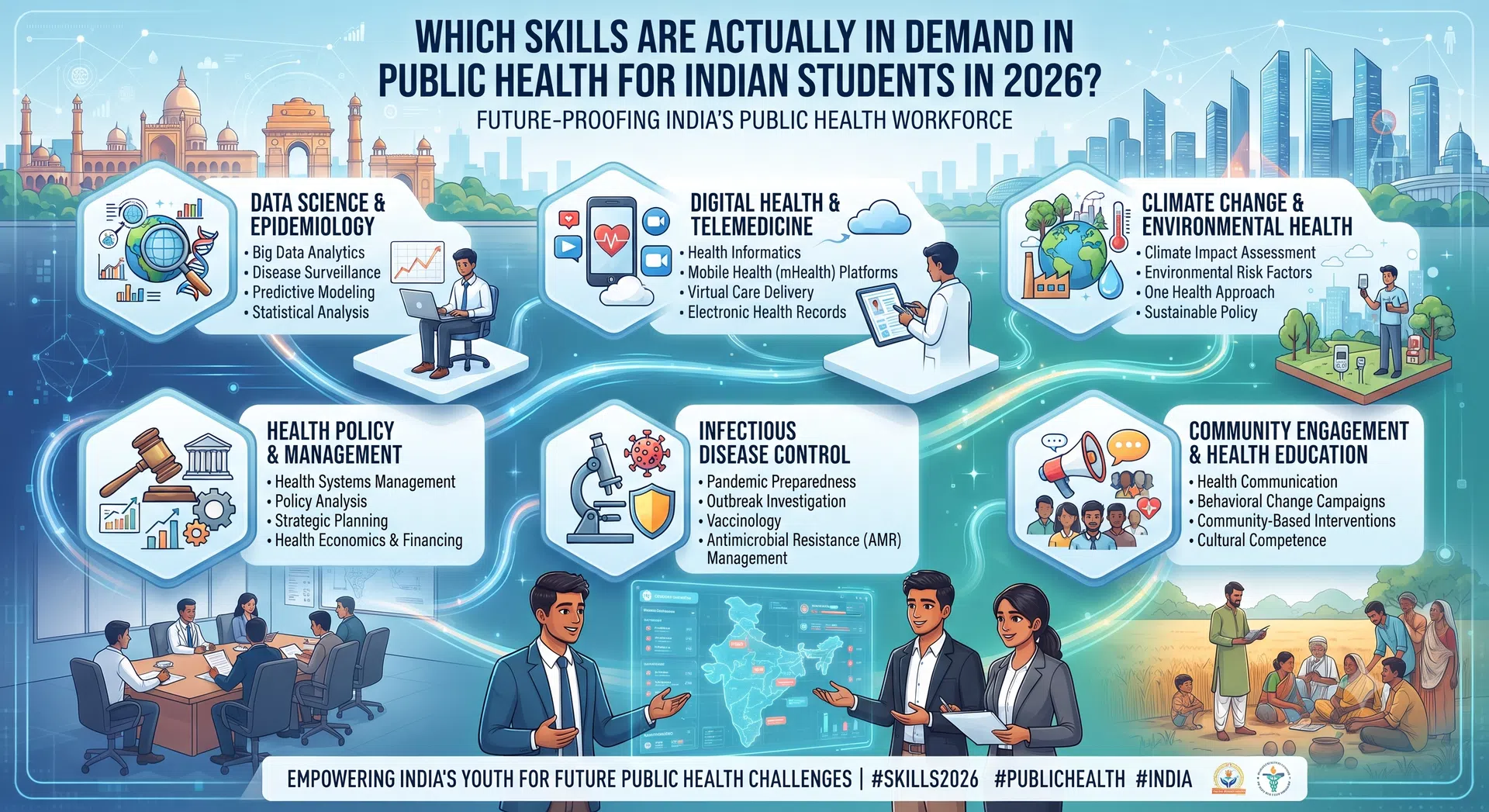
AIPH University: The First Public health University of Eastern India
Core Objectives and Modern Relevance
National Education Day is not merely a retrospective look at history; it acts as an active catalyst addressing modern educational paradigms:
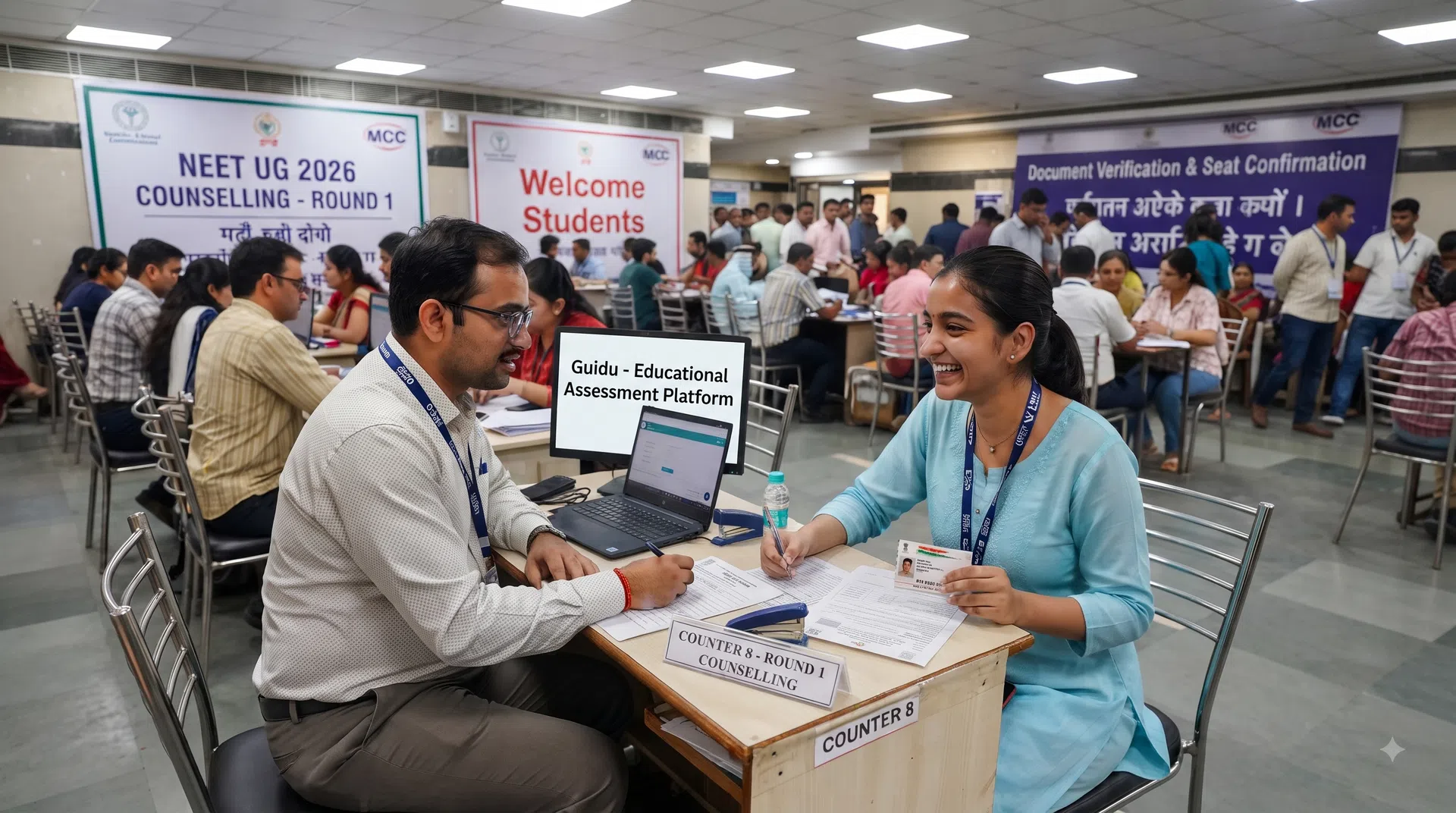
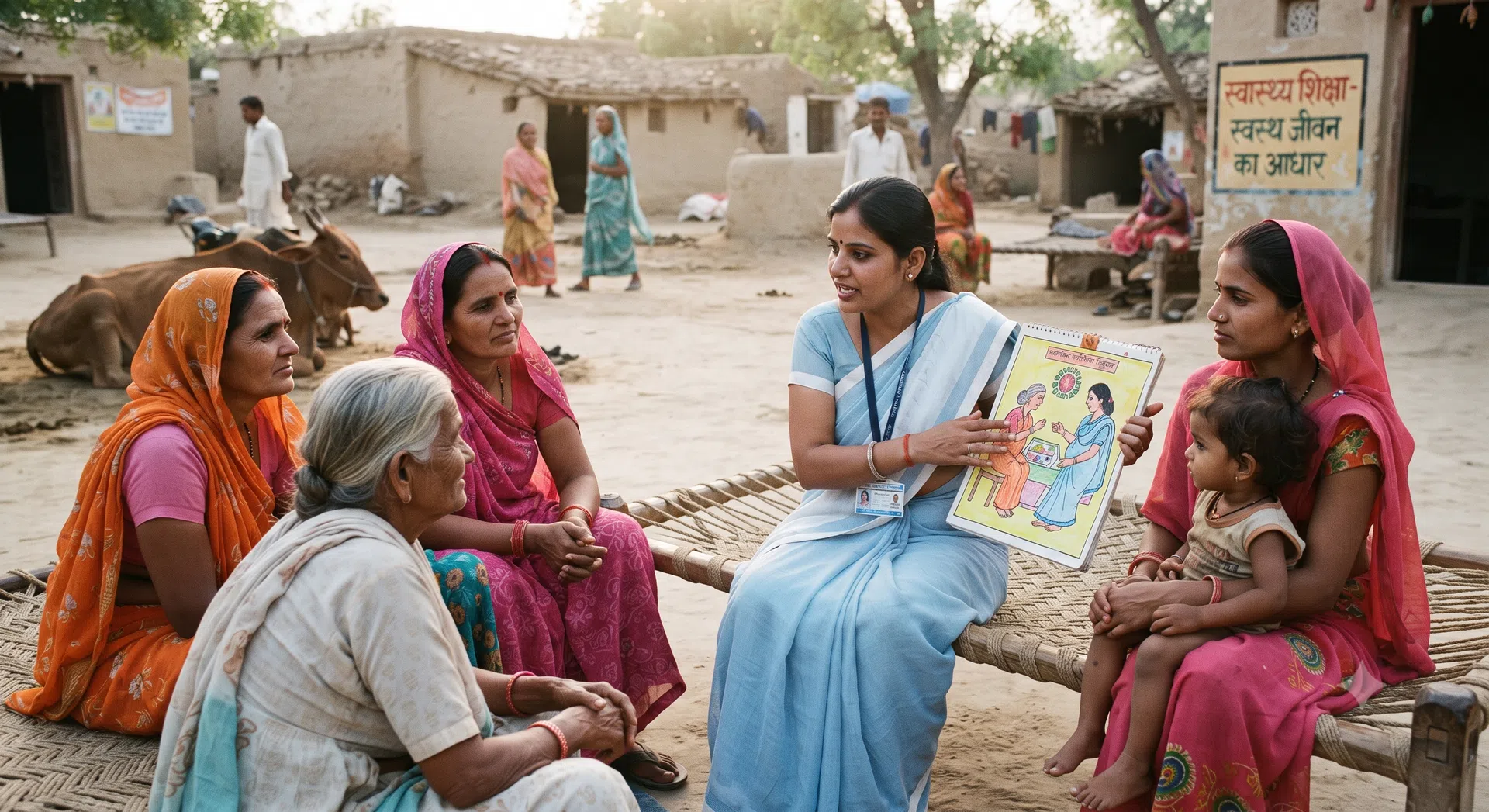
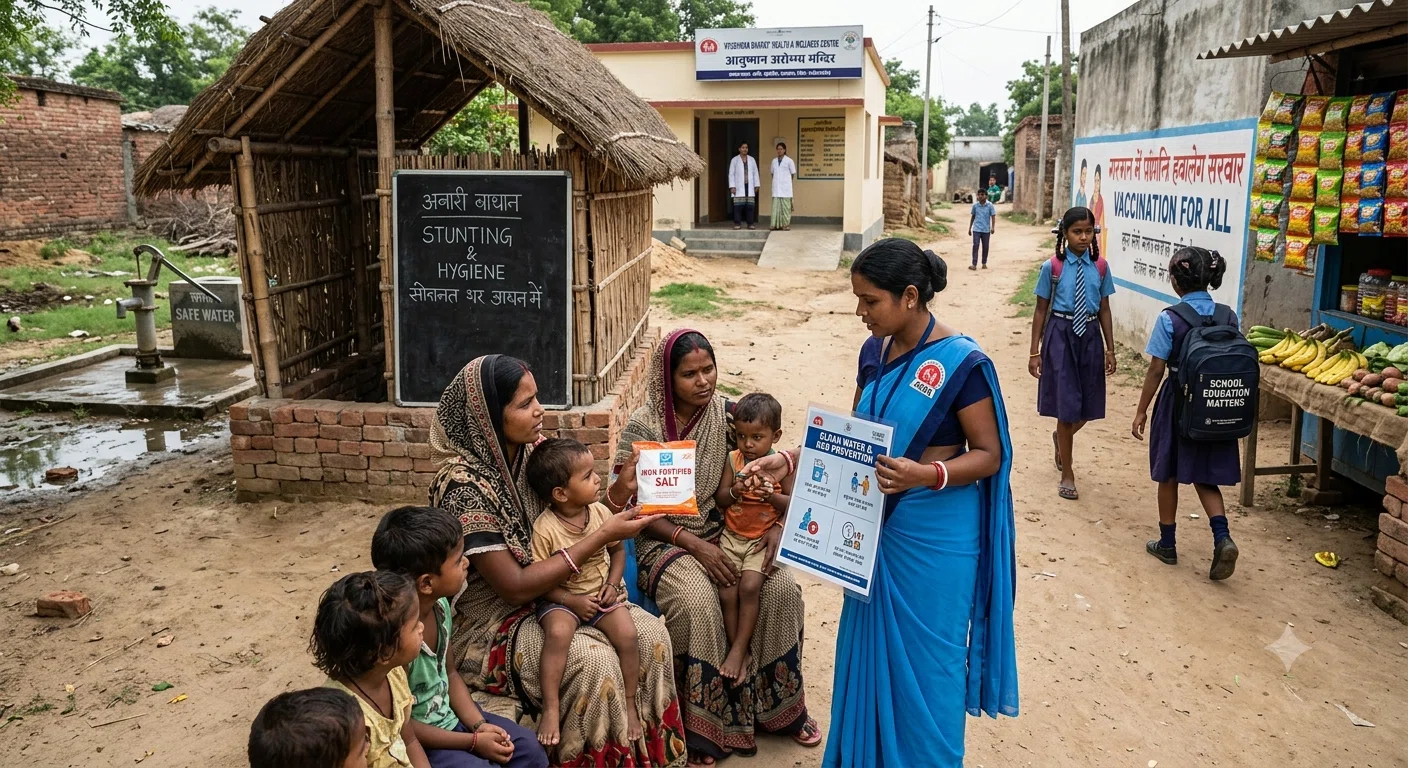
Promoting Inclusivity and Equity: Ensuring that marginalized communities, rural youth, and economically vulnerable sections gain equitable access to foundational and advanced learning resources.
Fostering a Knowledge-Based Society: Encouraging critical thinking, scientific inquiry, and creativity over rote memorization.
Navigating Technological Shifts: As artificial intelligence, automation, and digital classrooms reshape global job markets, the day emphasizes balancing technological integration with human agency, ethical governance, and deep-rooted critical thinking.
How the Nation Celebrates
Educational institutions, universities, and schools across India mark November 11 through dynamic intellectual and creative engagement:
Academic Seminars and Debates: Hosting workshops, essay-writing contests, and symposia focused on contemporary educational reforms and literacy challenges.
Community Outreach: Launching campaigns highlighting the importance of schooling, skill development, and female literacy.
Student Recognition: Rewarding academic excellence and encouraging young learners to embrace lifelong learning as a tool for personal and societal empowerment.
References
Ministry of Human Resource Development, Government of India. (2008). Declaration of November 11 as National Education Day.
Wikipedia contributors. National Education Day (India). In Wikipedia, The Free Encyclopedia. https://en.wikipedia.org/wiki/National_Education_Day_(India
Vajiram & Ravi. (2025). National Education Day: Theme, Significance, History. https://vajiramandravi.com/current-affairs/national-education-day/
BYJU'S. National Education Day – History, Significance, and Maulana Abul Kalam Azad. https://byjus.com/free-ias-prep/national-education-day/
Podar Education. (2023). Understanding the Importance of National Education Day. https://www.podareducation.org/blog-importance-of-national-education-day