
Durga Puja (Sandhi Puja): The Sacred Intersection of Time and Divine Power
Introduction to Sandhi Puja
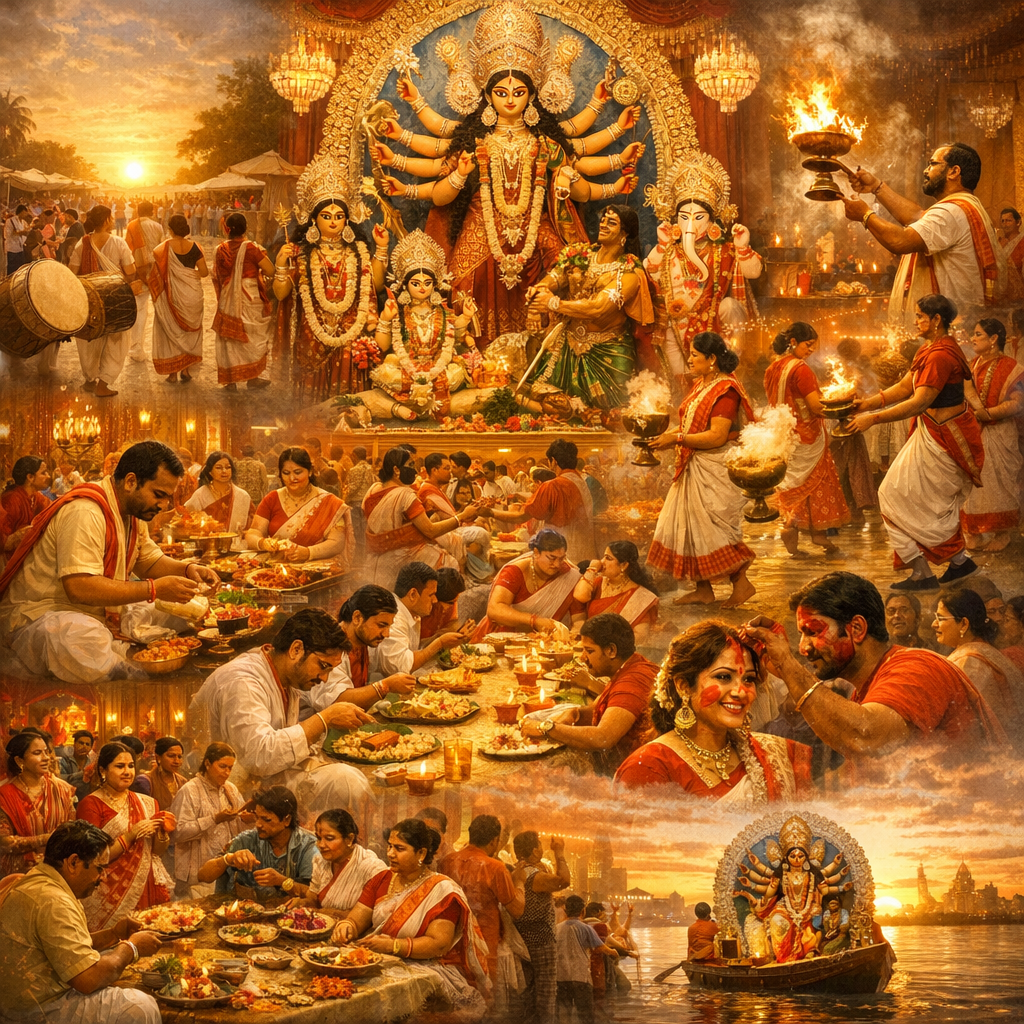
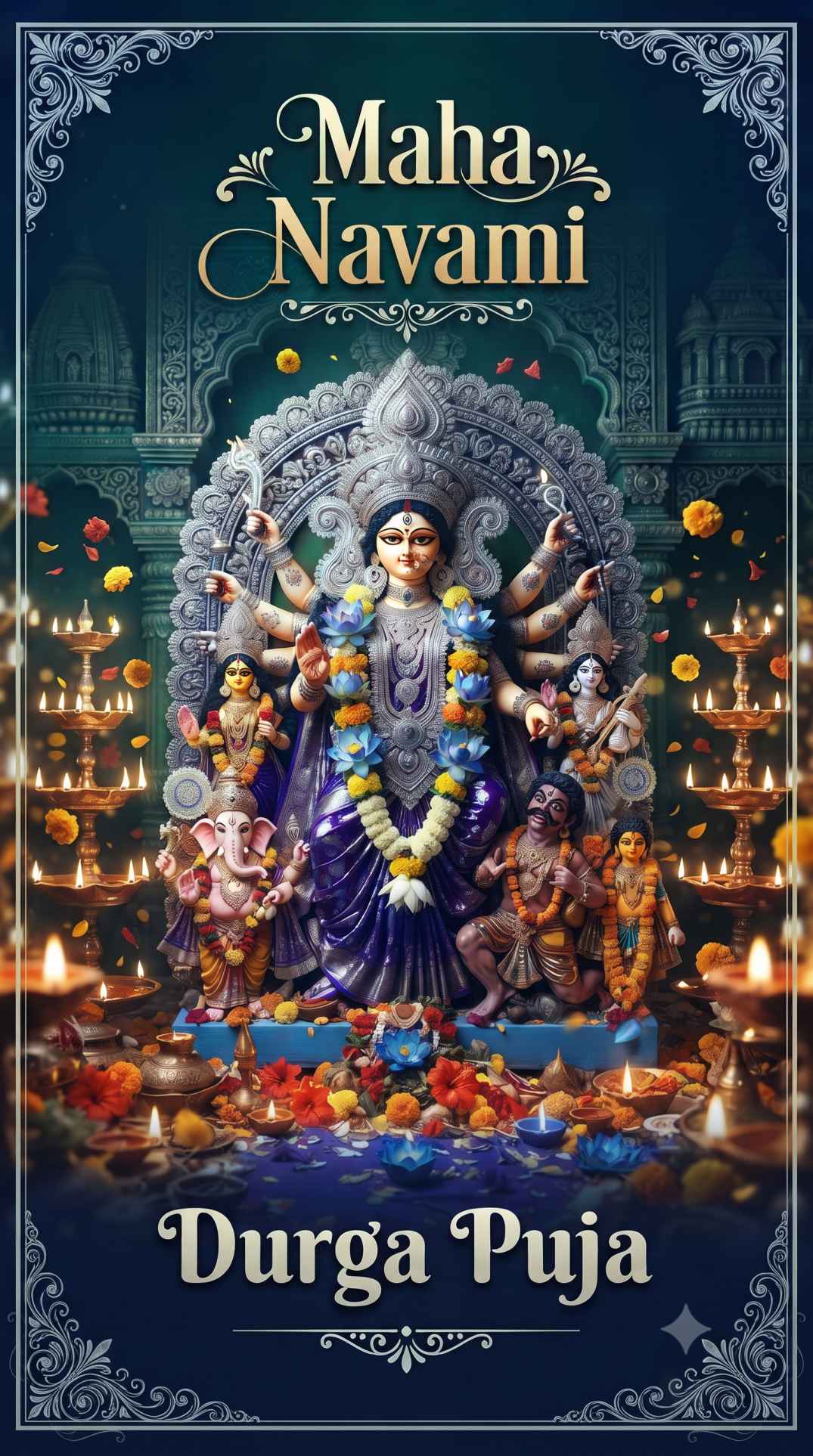
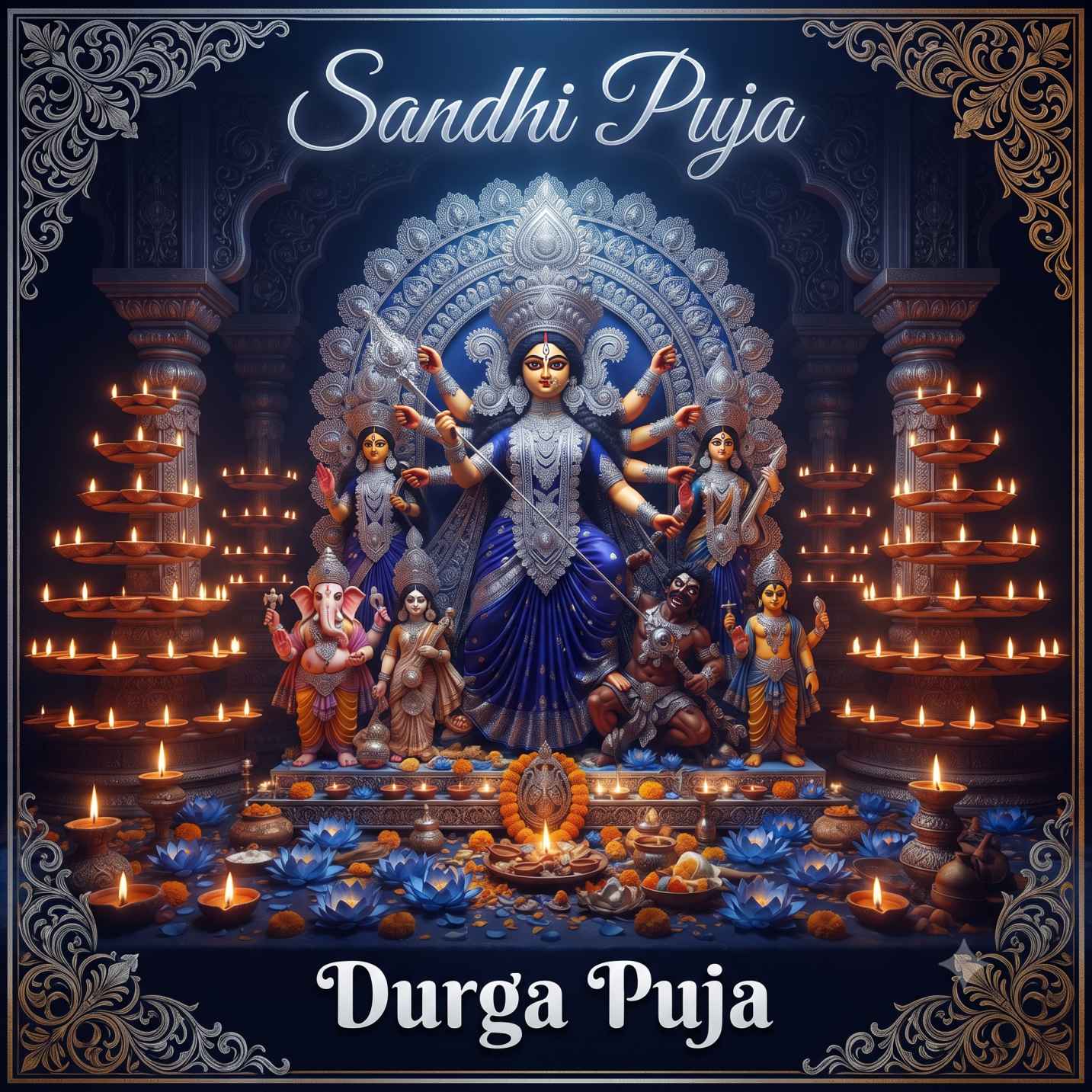
Among the most spiritually charged and intensely awaited moments of the entire Durga Puja festival is Sandhi Puja. Occurring at the precise junction where Maha Ashtami transitions into Maha Navami, Sandhi Puja is considered the most sacred, powerful, and mysterious window of the autumn celebrations. Bridging two major days of worship, this 48-minute celestial juncture commands deep reverence across temples and community pandals, drawing devotees into a quiet, meditative state of absolute devotion.
The Mythological Origin and the Slaying of Chanda and Munda
The spiritual importance of Sandhi Puja is deeply rooted in the ancient epic narratives of the Markandeya Purana. According to sacred scriptures, during the fierce cosmic war between Goddess Durga and the mighty demon army of Mahishasura, two powerful demon generals—Chanda and Munda—attacked the Goddess with ferocious intent.
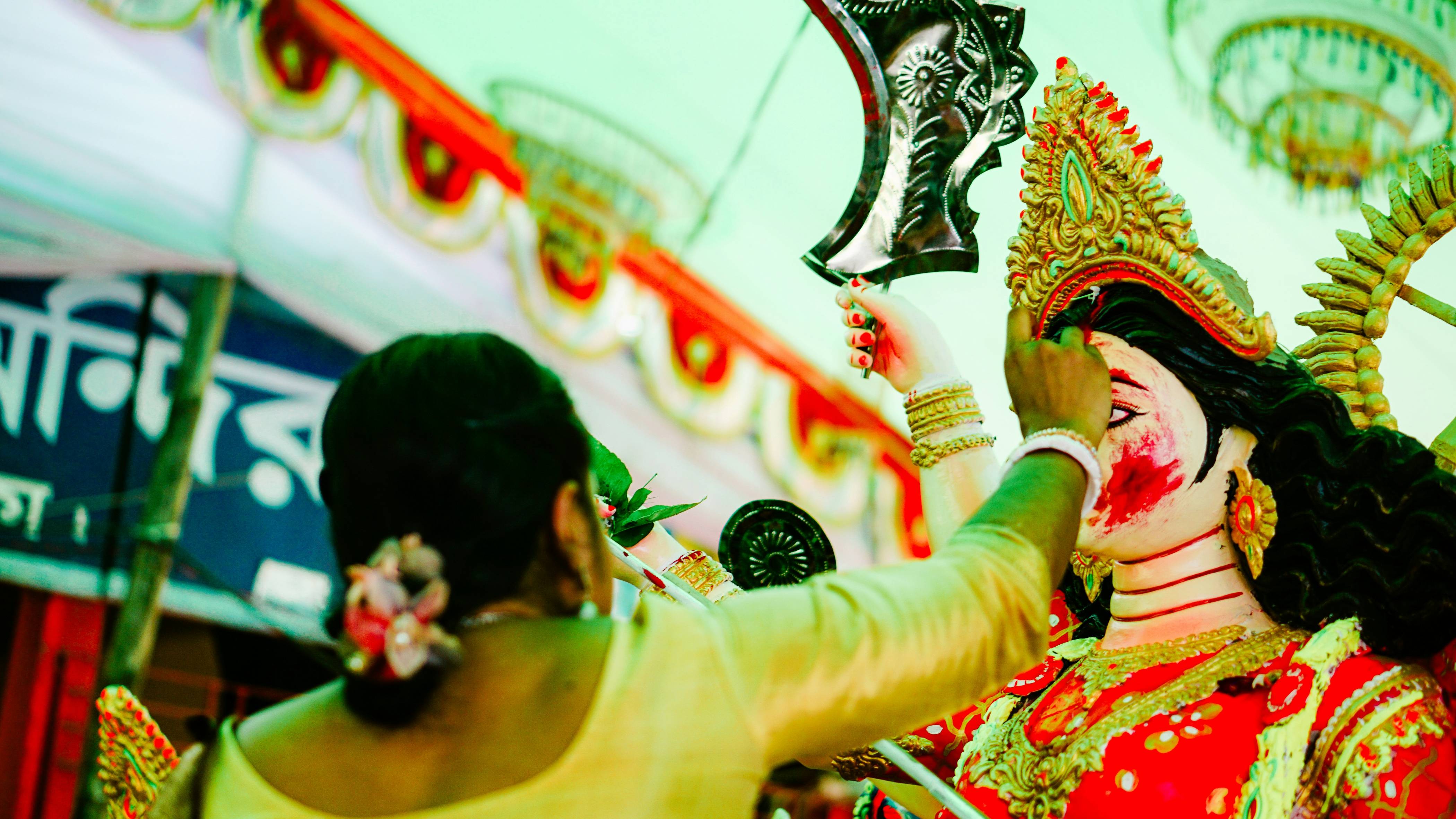
In response to their aggression, Goddess Durga assumed a terrifying, dark-complexioned form known as Chamunda. Rushing forth at the junction of time (Sandhi Kaal), the Goddess vanquished both Chanda and Munda. Because this pivotal victory occurred precisely at the meeting point of Ashtami and Navami, Sandhi Puja was established to commemorate this exact moment of divine intervention and cosmic balance.
The Sacred Time Window: Understanding Sandhi Kaal
Timing is everything in Vedic rituals, and Sandhi Puja is strictly bound to precise astronomical and ritualistic calculations.
The 48-Minute Window: The ritual takes place during the final 24 minutes of Maha Ashtami and the first 24 minutes of Maha Navami.
Cosmic Significance: This transitional phase represents a temporary pause in cosmic time—a moment when the veil between the material and spiritual worlds grows exceptionally thin. It is believed that prayers, mantras, and offerings made during this specific window carry amplified spiritual energy, capable of breaking through the heaviest karmic obstacles.
Essential Rituals and Offerings During Sandhi Puja
The atmosphere inside a Durga Puja pandal during Sandhi Puja shifts dramatically from festive cheer to profound, pin-drop solemnity. The rituals performed by priests and devotees are intricate and deeply symbolic:
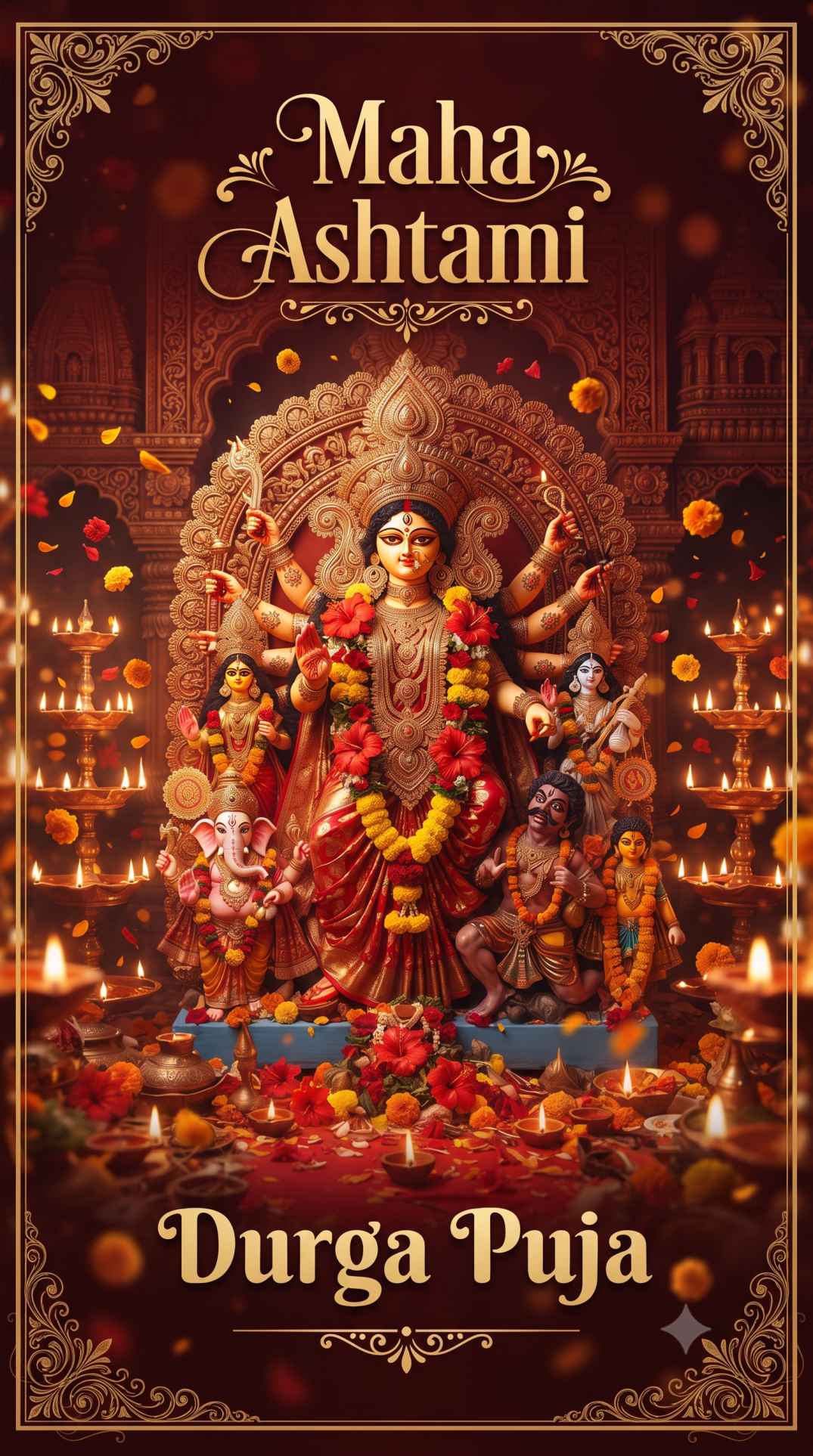
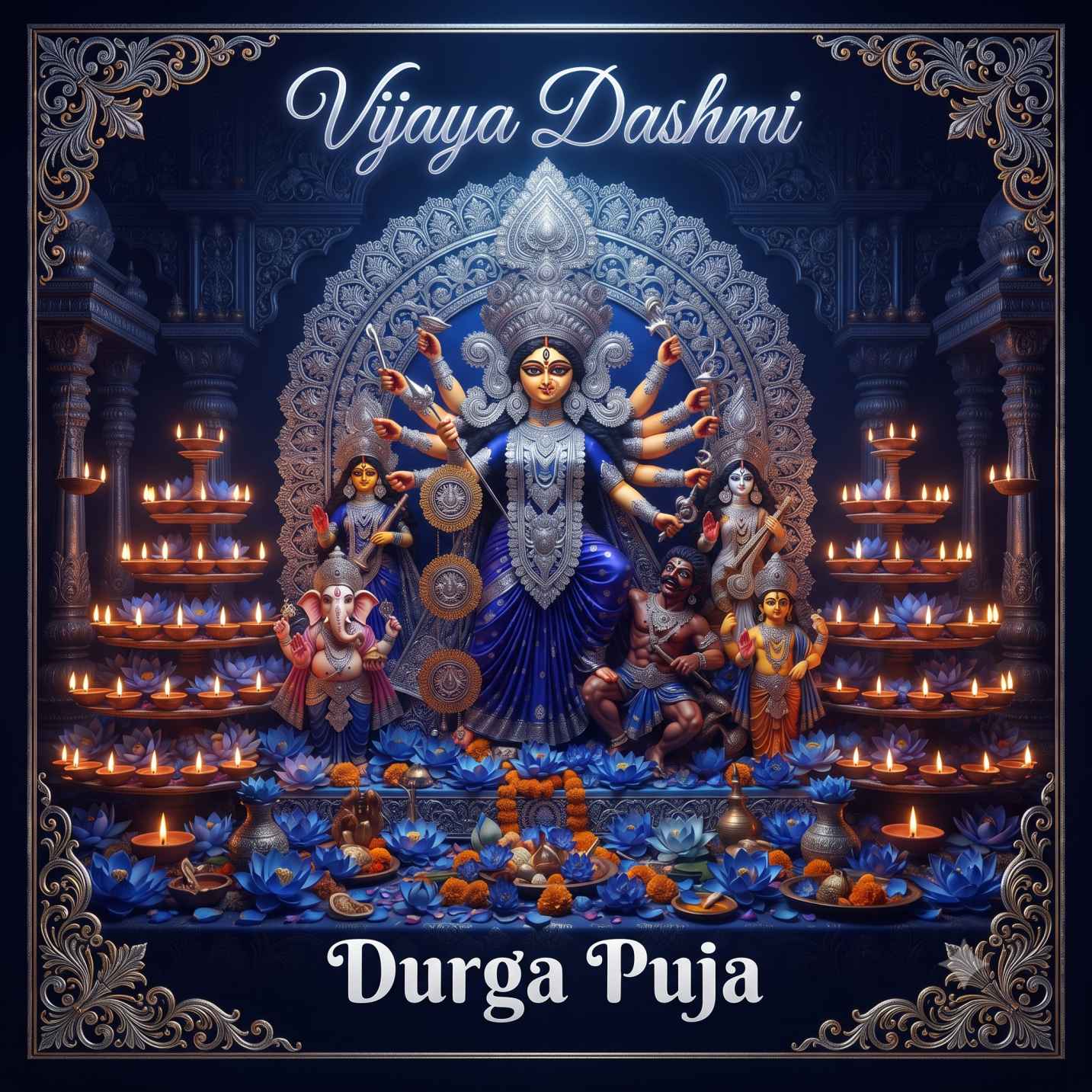
The 108 Earthen Lamps (Diyas): Exactly 108 clay lamps are lit around the altar, casting a warm, flickering glow that pierces the midnight shadows.
The 108 Lotus Flowers: Alongside the lamps, 108 fresh lotus flowers are offered to the Goddess, matching the sacred count of lamps to honor her immaculate purity and divine grace.
Animal and Symbolic Offerings: Traditionally, symbolic offerings such as whole fruits, pumpkins, or sugarcane are presented as substitutes for ancient sacrificial rites, honoring the fierce and protective nature of Goddess Chamunda.
Blowing of Conch Shells (Shankh): Throughout the ceremony, continuous blasts of conch shells and the rhythmic beating of the dhaak drums reverberate through the air to ward off negative energies and awaken divine consciousness.
The Spiritual Essence and Modern Relevance
Today, Sandhi Puja serves as an invitation for inner introspection. As the world outside sleeps, devotees gather to seek the blessings of the Divine Mother to conquer their inner demons—namely ego, anger, jealousy, and spiritual ignorance.