
Dhanteras: The Festival of Health, Wealth, and New Beginnings
Dhanteras, also known as Dhanatrayodashi, marks the official commencement of the five-day Diwali festival. Celebrated on the thirteenth lunar day (Trayodashi) of the dark fortnight in the Hindu month of Kartik, the word itself is derived from two Sanskrit terms: “Dhan” (wealth) and “Teras” (the thirteenth day).
While modern celebrations heavily emphasize commerce, gold purchases, and material prosperity, the true essence of Dhanteras runs much deeper, weaving together themes of longevity, physical well-being, ecological gratitude, and spiritual renewal.
Mythological Origins: The Churning of the Cosmic Ocean
The historical and spiritual roots of Dhanteras are deeply embedded in ancient Hindu cosmology, most notably the legendary event known as Samudra Manthan (the churning of the cosmic ocean).
The Emergence of Lord Dhanvantari: According to sacred texts, on the thirteenth lunar day, Lord Dhanvantari—the physician of the gods and the divine progenitor of Ayurveda—emerged from the milky ocean. He held a sacred pot (Amrit Kalash) filled with the nectar of immortality in one hand and scriptures of healing in the other. Consequently, the Indian government officially observes Dhanteras as National Ayurveda Day to honor the gift of holistic medicine and health.
The Descent of Goddess Lakshmi: Alongside Lord Dhanvantari, Goddess Lakshmi, the deity of wealth, fortune, and abundance, manifested from the cosmic waters to bless the universe with prosperity.
The Legend of King Hima’s Son and Yamadeepdaan
Another profound legend associated with the festival revolves around protection from negativity and premature fate. Astrologers predicted that sixteen-year-old Prince Hima, son of King Hima, would die from a snakebite on the fourth day of his marriage.
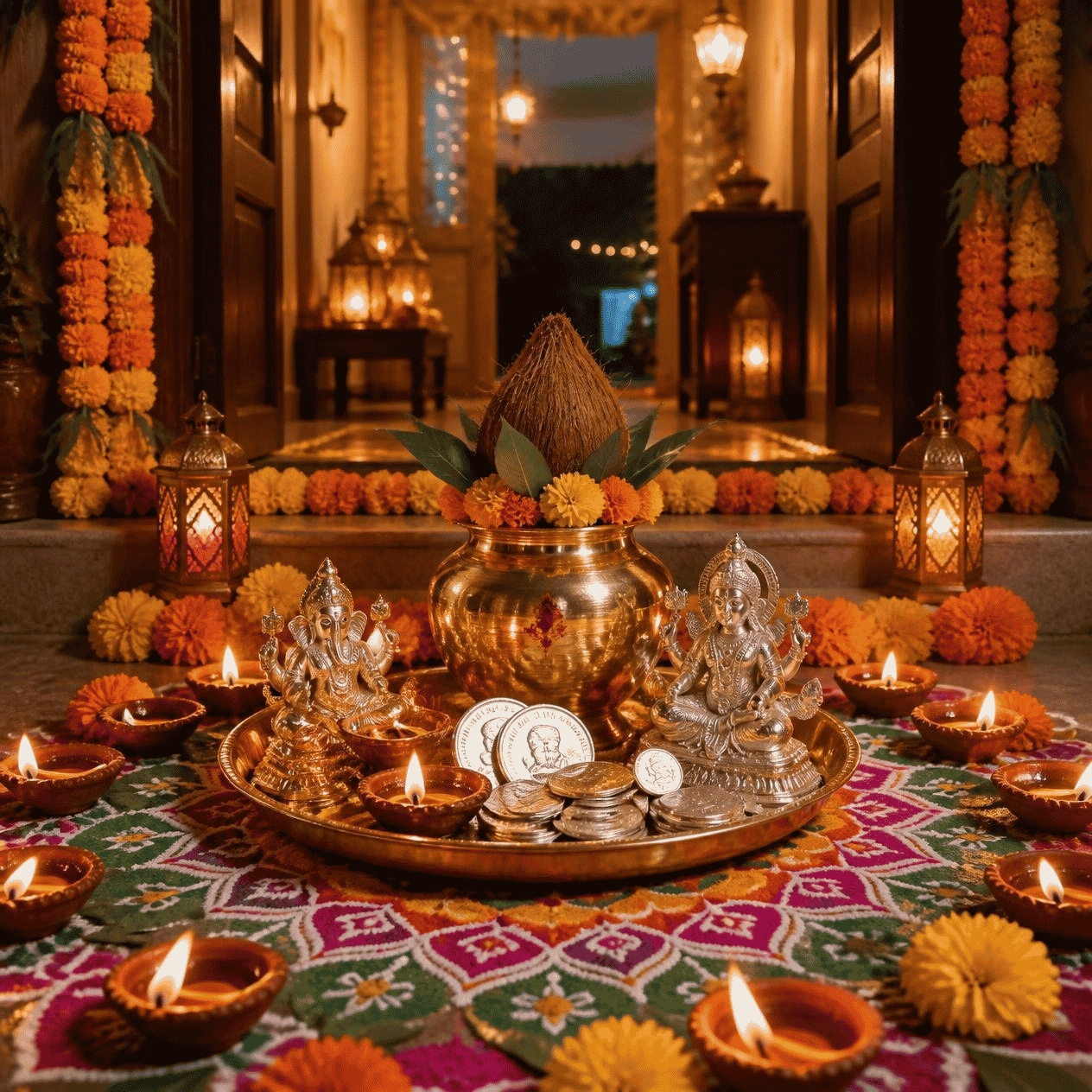
Determined to save her husband, the young prince’s clever wife laid a strategic plan. At the entrance of their chamber, she placed a massive heap of gold and silver coins alongside glowing piles of earthen lamps (diyas). She kept her husband awake all night by singing melodious songs and narrating stories.
When Yama, the god of death, arrived in the guise of a serpent, the blinding brilliance of the lamps and precious metals dazzled his eyes. Unable to enter and captivated by the sweet songs, Yama sat listening until morning, ultimately sparing the prince's life. This tale gave rise to the tradition of Yamadeepdaan—lighting lamps outside homes through the night to ward off untimely death and dark energies.
Core Traditions and Observances
Observing Dhanteras involves a structured series of cleansing, worship, and customary purchases:
Thorough Home Cleaning and Purification: Households undergo rigorous cleaning and whitewashing to clear out stagnant energy, welcoming Goddess Lakshmi into a spotless environment.
Auspicious Purchases of Metals: Buying new utensils, silver, or gold items is considered a powerful gesture of inviting good luck and enduring wealth into the home.
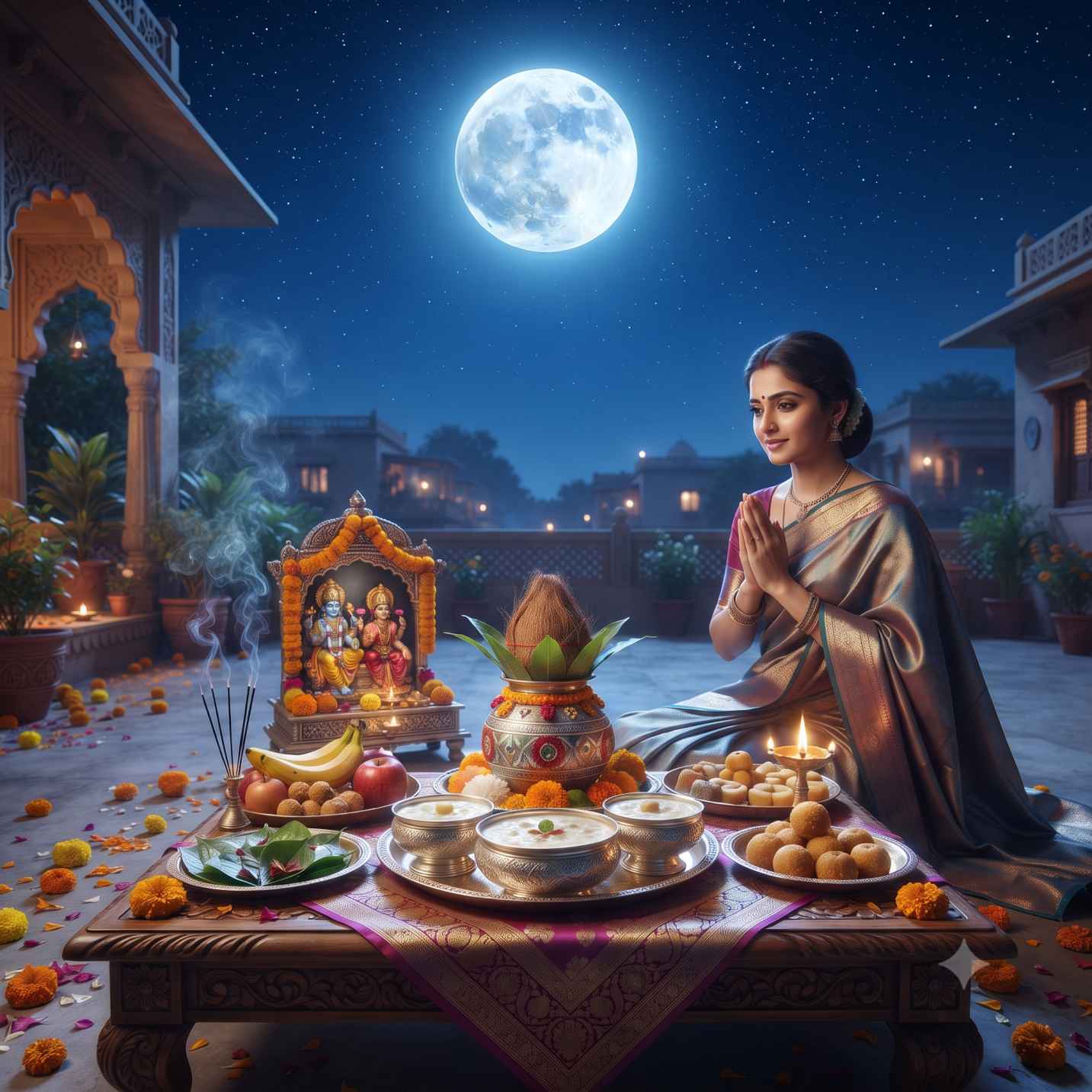
Evening Puja: Families gather at dusk to perform rituals dedicated to Lord Dhanvantari, Goddess Lakshmi, and Lord Kubera, offering sweets, flowers, and puffed rice.
References
Expat India Art. (2023). Story of Dhanteras – Learn about the Legend, Traditions, and other. https://www.exoticindiaart.com/article/story-of-dhanteras/
Jagran Josh. (2024). History and Significance of Dhanteras in Hindu Culture. https://www.jagranjosh.com/general-knowledge/history-and-significance-of-dhanteras-in-hindu-culture-1730100026-1
Trimbakeshwar Temple Pujari. (2025). Dhanteras 2026: Meaning, Significance, Rituals, And Traditions. https://trimbakeshwartemplepujari.com/dhanteras/
India Celebrating. (2025). Dhanteras 2025: Celebrations, Traditions, Importance, Stories. https://www.indiacelebrating.com/festivals/dhanteras/
Wikipedia contributors. (n.d.). Dhanteras. In Wikipedia, The Free Encyclopedia. https://en.wikipedia.org/wiki/Dhanteras
Scribd. (n.d.). Dhanteras: An Examination of Its Historical, Cultural, and Spiritual Significance. https://www.scribd.com/document/967156435/Dhanteras-An-Examination-of-Its-Historical-Cultural-And-Spiritual-Significance