
Why Inclusive Classrooms Are No Longer Optional
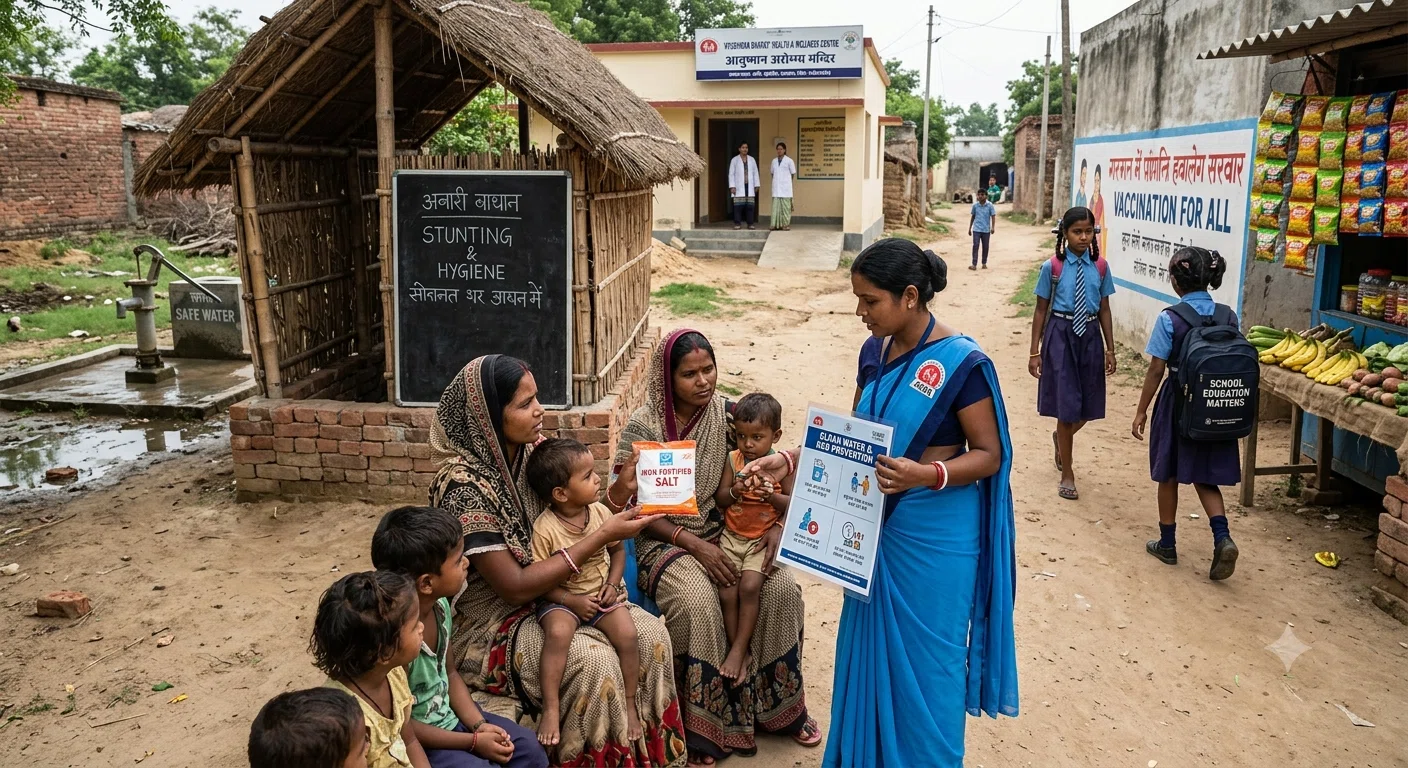
Walk into almost any Indian classroom today and you will find children who differ in far more than just academic ability. Some come from economically disadvantaged homes, some speak a different first language, some live with disabilities, and some process the world in neurologically different ways. Teaching all of them well, in the same room, at the same time, is one of the hardest and most important skills a teacher can develop.
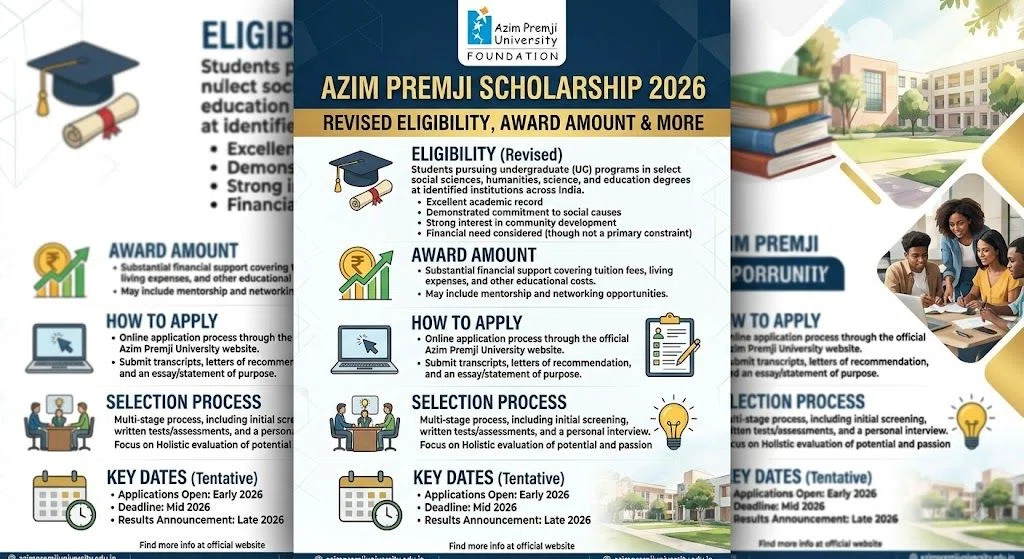
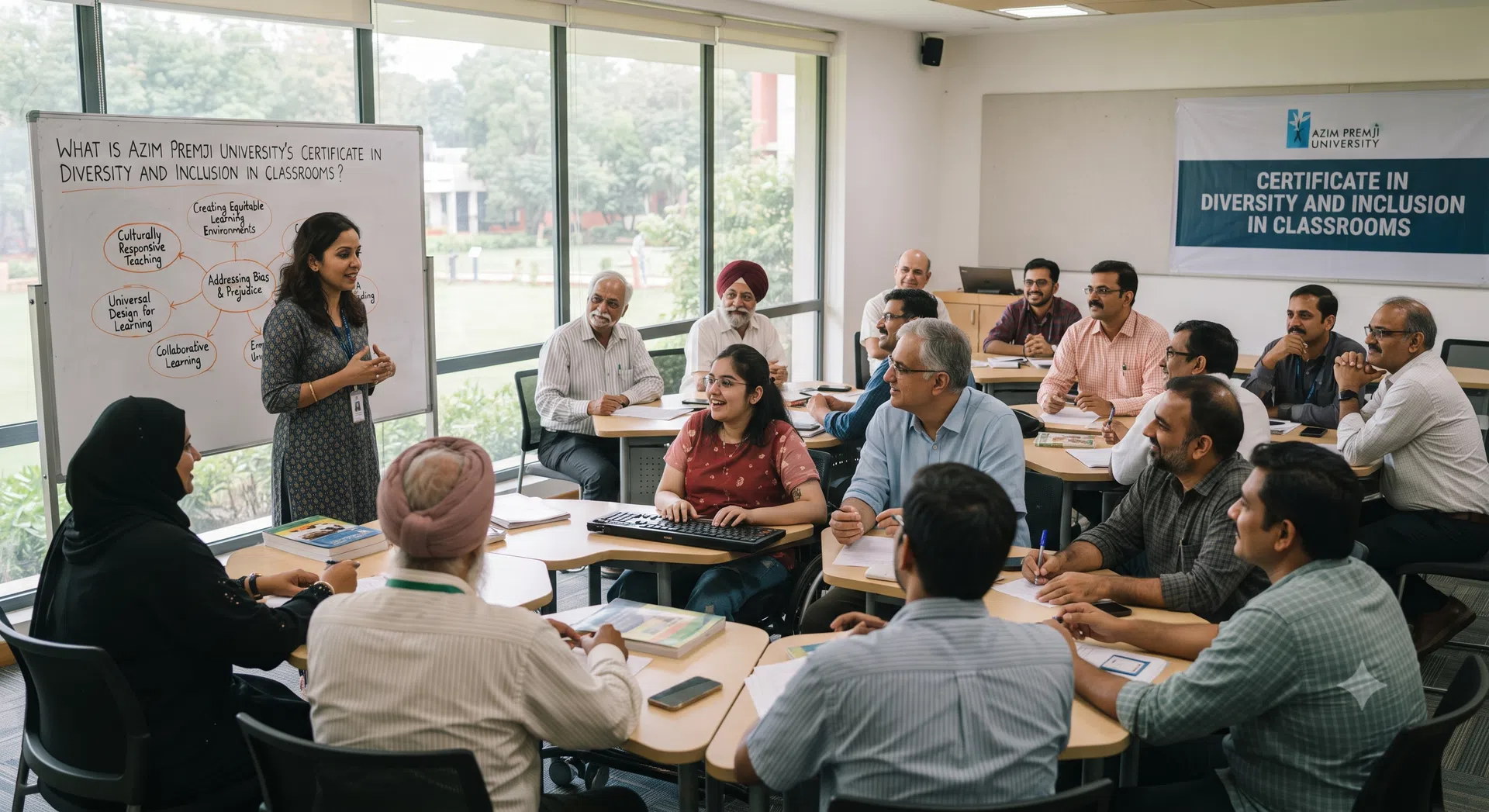
NEP 2020 places inclusive education firmly on every educator's plate, not just special educators. Azim Premji University's Certificate Programme in Diversity and Inclusion in Classrooms is designed to help teachers, school leaders and NGO professionals build that competency, and it is worth knowing about if you teach, plan to teach, or manage a school.
What This Certificate Programme Actually Covers
The course is offered by Azim Premji University in partnership with Ummeed Child Development Centre, a non-profit known for its family-centred approach to supporting children with developmental disabilities. That partnership matters because it means the content is not purely theoretical. It is grounded in real, on-the-ground experience of working with children who have diverse developmental and learning needs.
The programme focuses on three practical pillars:
Understanding diversity in depth: socio-cultural, economic, dis/ability and neurological differences that show up in everyday classrooms.
Building usable tools: practical strategies and frameworks teachers can actually apply, not just concepts to memorise.
Hands-on project work: participants apply what they learn directly within school or classroom contexts, turning theory into practice.
This combination is what makes the course different from a typical awareness workshop. It is built to change how you plan a lesson, manage a classroom, and support a struggling student, not just how you think about inclusion in the abstract.
Who Should Consider This Course
Azim Premji University has kept the eligibility wide on purpose, because inclusion is not the job of one type of professional alone. The programme is designed for:
B.Ed student-teachers who want to walk into their first classroom already equipped for inclusive teaching.
Novice teachers with 0-2 years of experience who are still shaping their teaching practice.
Experienced educators looking to update their approach in line with NEP 2020 expectations.
School administrators and coordinators who set policy and culture at the institutional level.
NGO professionals working in education and child development spaces.
If you fall into any of these categories, this is a genuinely relevant upskilling opportunity, not a generic add-on certificate.
How the Programme Is Structured
The course runs for three months in a part-time, blended format, which makes it realistic for working teachers and school staff to complete alongside their existing responsibilities. Here is what the structure looks like:
5 days of in-person sessions, giving participants direct, immersive engagement with facilitators and peers.
26 online taught sessions, held on Mondays and Fridays, so the schedule is predictable and easy to plan around.
Asynchronous resources, allowing participants to learn at their own pace between live sessions.
This blended design means you do not need to relocate or take extended leave to complete the programme. It fits around a teaching job or school administration role, which is a significant consideration for most working educators in India.
Why This Matters for Your Career Right Now
NEP 2020 names inclusive education as a national priority, and schools are increasingly expected to show that their teachers can deliver on it in practice. For B.Ed students, having a certificate like this on your resume signals to schools that you are job-ready for inclusive classrooms from day one. For practising teachers and administrators, it is a concrete way to show you have upgraded your practice in line with policy direction — which can matter for career growth, especially in schools working toward inclusive accreditation or better outcomes for disadvantaged students.
There is also a simpler, more immediate reason to care: children with disabilities or from disadvantaged backgrounds are already sitting in your classroom, whether or not you feel equipped to teach them well. This programme exists to close that specific, practical gap.
What You Should Do Next
The new batch for the Certificate Programme in Diversity and Inclusion in Classrooms starts in August 2026, giving prospective applicants meaningful lead time to plan around it. If you are a B.Ed student, a teacher early in your career, an experienced educator, or someone managing a school, it is worth treating this as more than just another certificate to collect. Before enrolling, confirm the latest dates, fees and application process on Azim Premji University's official programme page, since specifics can be updated closer to the intake.
Check how the course timeline fits with your current academic year or school calendar.
If you are a school administrator, consider whether sponsoring a batch of your teachers could strengthen your school's inclusion practices at scale.
Start familiarising yourself with NEP 2020's stance on inclusive education, so you walk into the programme with context rather than starting cold.
Inclusive teaching is quickly moving from a nice-to-have skill to a baseline expectation across Indian schools. Programmes like this one give educators a structured way to get there, backed by a university and a specialist non-profit that work in this space every day.
Sources