
Bhai Dooj: Celebrating Sibling Love, Protection, and Timeless Traditions
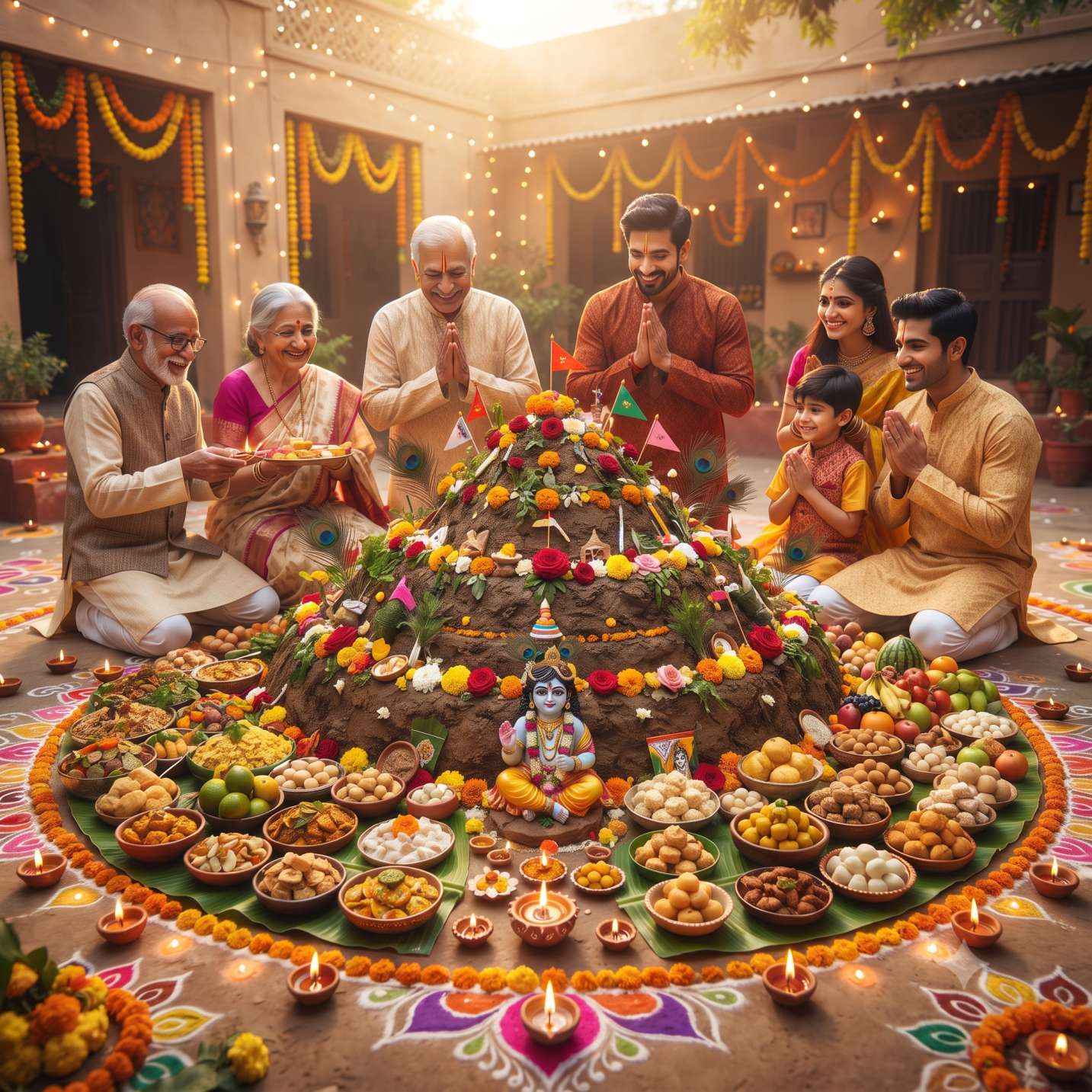
Bhai Dooj (also widely known as Bhau Beej, Bhai Tika, or Yama Dwitiya) is a cherished Hindu festival that celebrates the pure, unconditional bond between brothers and sisters. Celebrated on the second lunar day (Dwitiya) of the bright fortnight in the Hindu month of Kartik, it marks the grand culmination of the five-day Diwali festival.
While festivals like Raksha Bandhan celebrate sibling ties through a protective thread, Bhai Dooj centers around sacred prayers, welcoming hospitality, a ceremonial forehead mark (tilak), and the mutual promise of lifelong support.
Mythological Origins and Legends
The spiritual foundation of Bhai Dooj is deeply rooted in ancient Hindu mythology, with two primary legends shaping its observance:
1. Lord Yama and Goddess Yamuna
According to ancient scriptures, Yamraj (the god of death) visited his sister Yamuna (Yami) on this specific lunar day. Yamuna welcomed him with deep affection, performing a warm aarti, applying a sacred tilak on his forehead, and serving him a feast of delicious foods. Deeply moved by her devotion, Yama granted a boon that any brother who receives a tilak and warm welcome from his sister on this day shall be protected from untimely harm and blessed with long life and prosperity.
2. Lord Krishna and Subhadra
Another popular legend recounts that after defeating the powerful demon Narkasura, Lord Krishna visited his sister Subhadra. Subhadra welcomed her victorious brother with sweets, flowers, an affectionate embrace, and a ceremonial tilak to celebrate his triumph and pray for his continued well-being.
Core Rituals and Traditional Observances
The rituals of Bhai Dooj are steeped in rich cultural heritage and emotional significance:
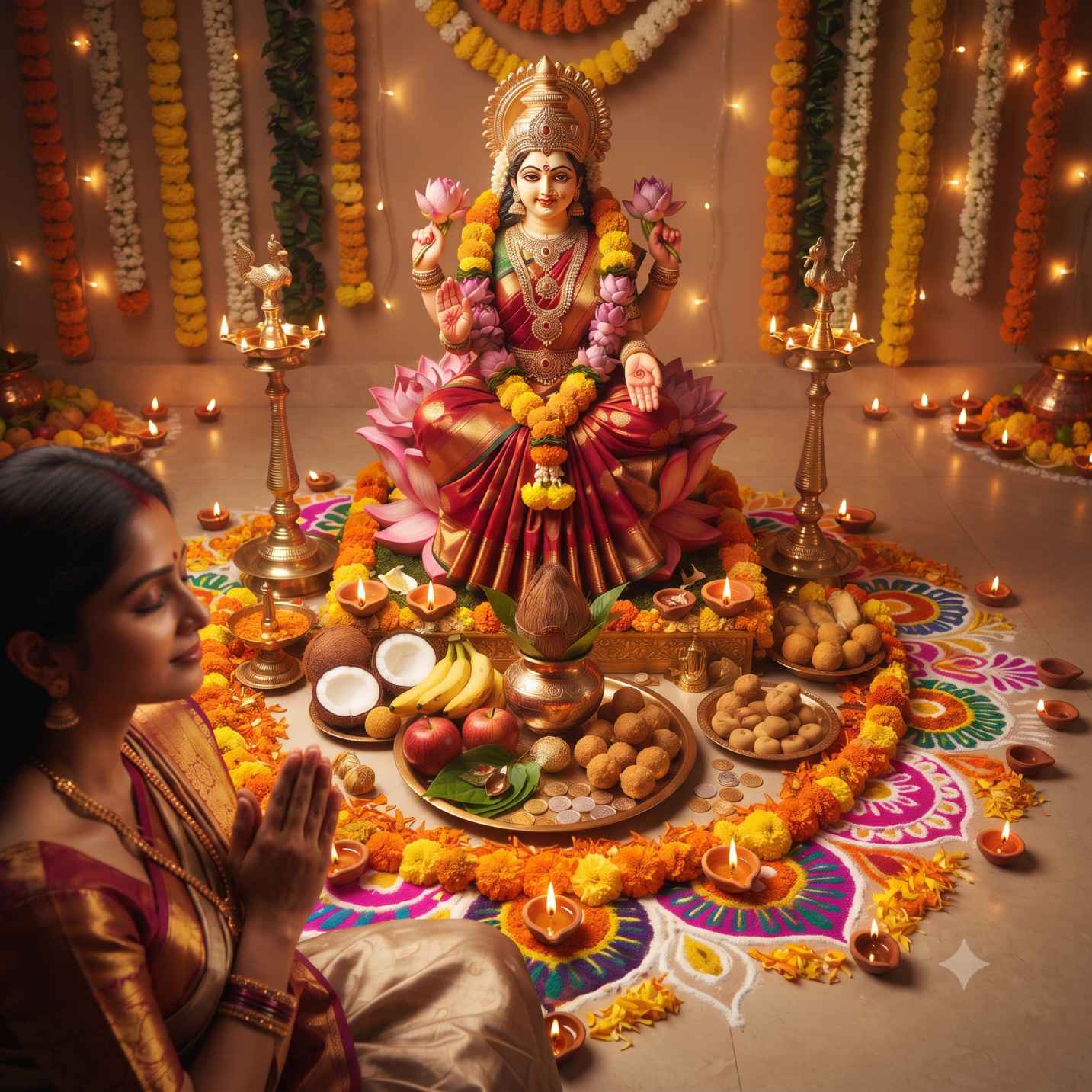
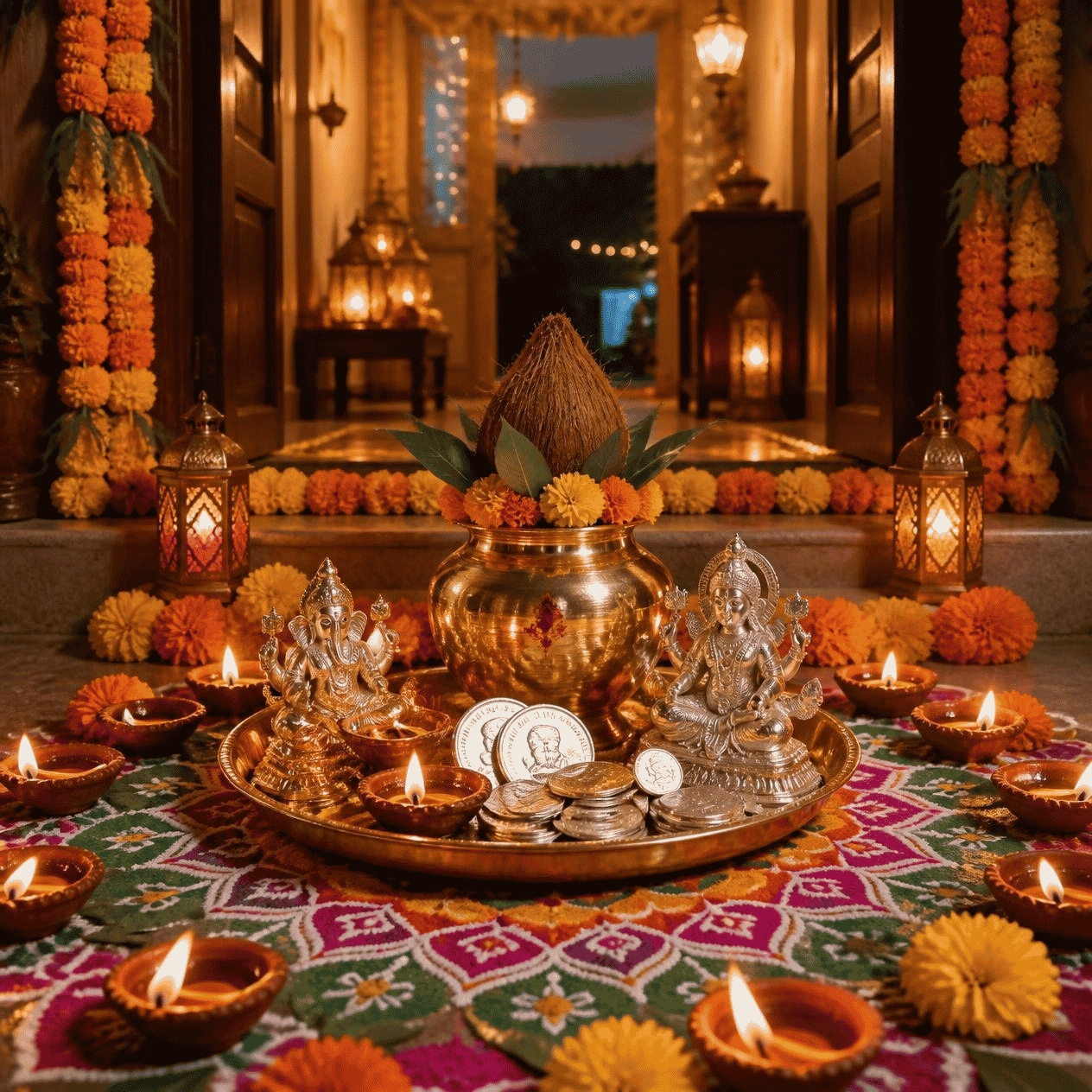
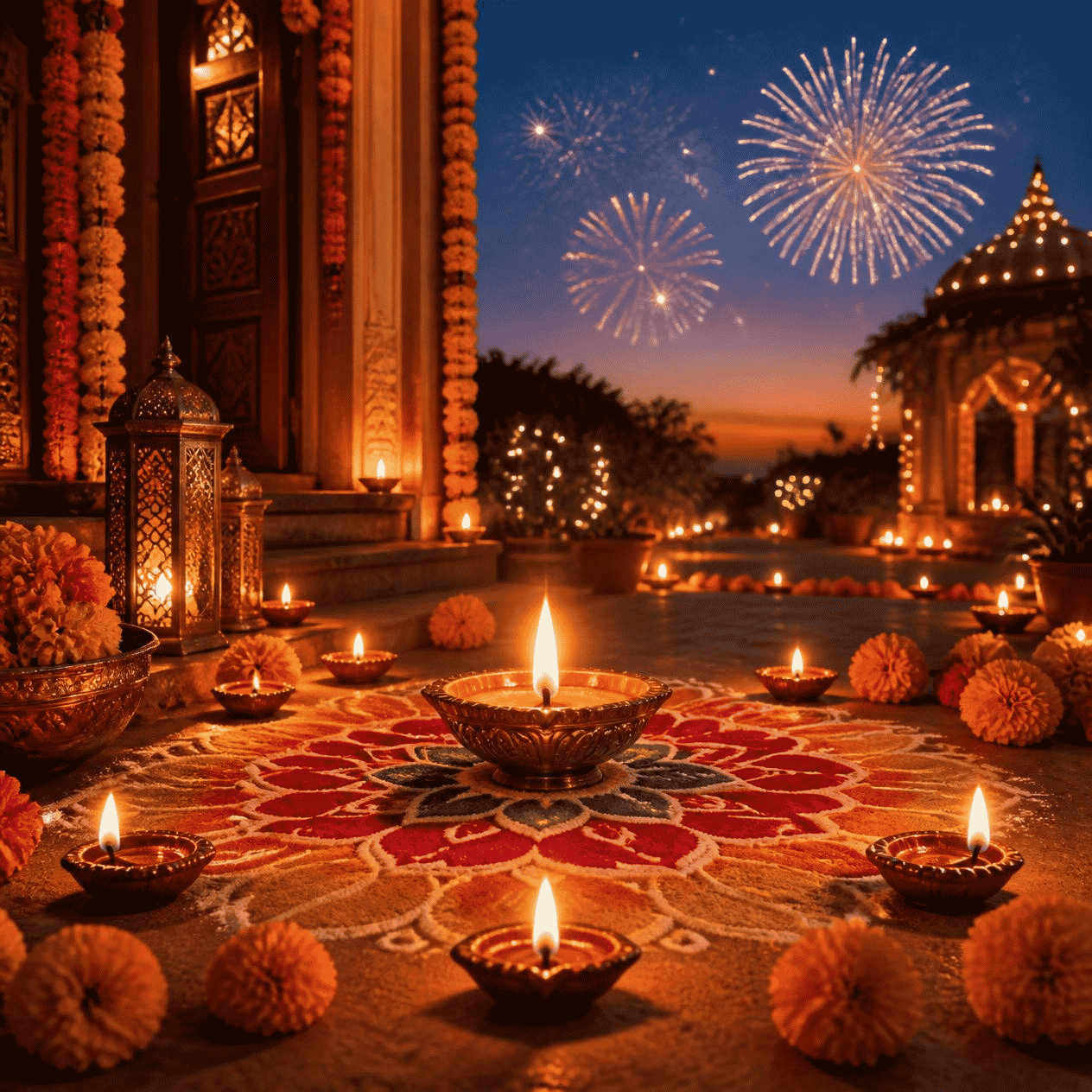
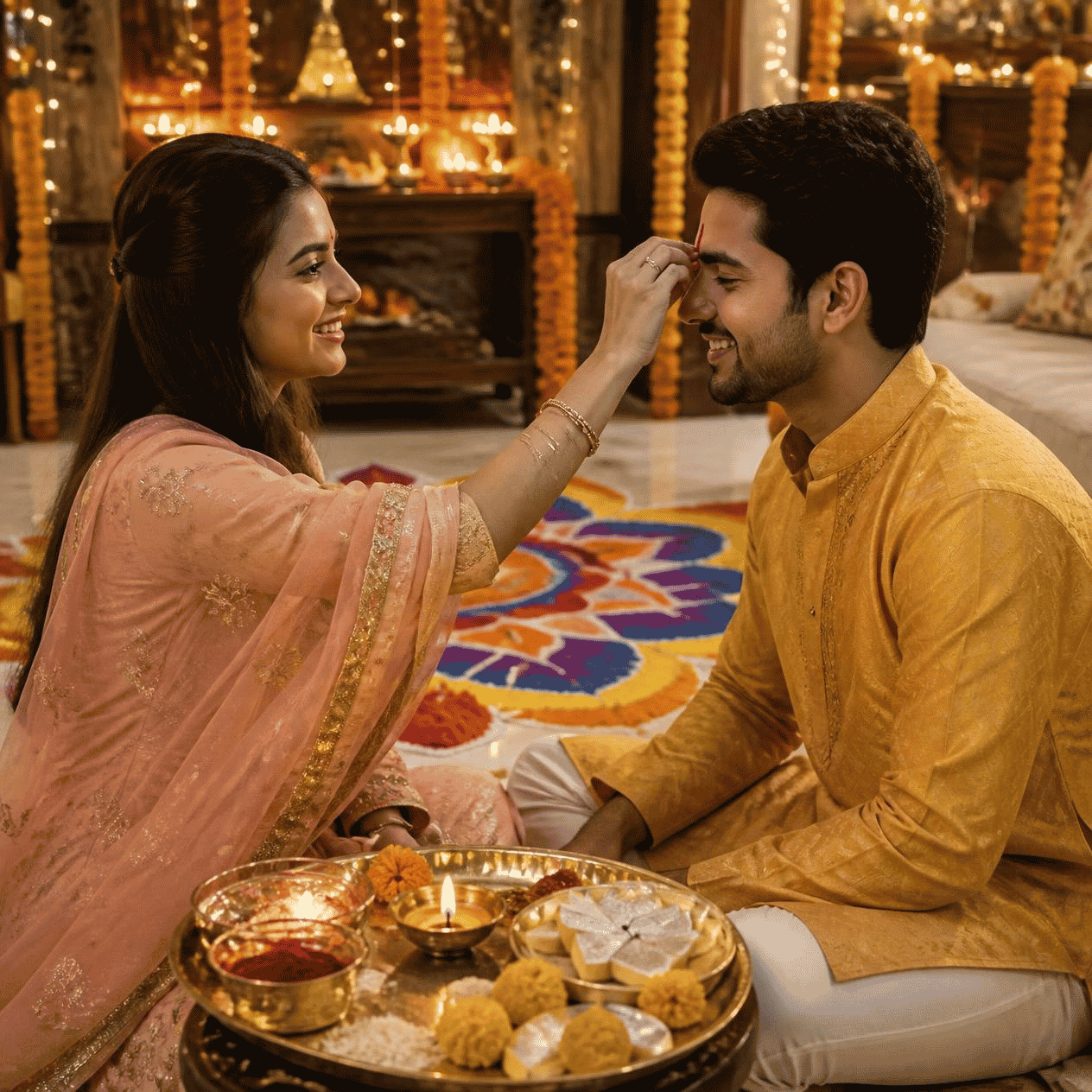
Creating Welcome Rangolis: Sisters draw colorful, intricate rangoli patterns at the entrance of their homes to welcome their brothers warmly.
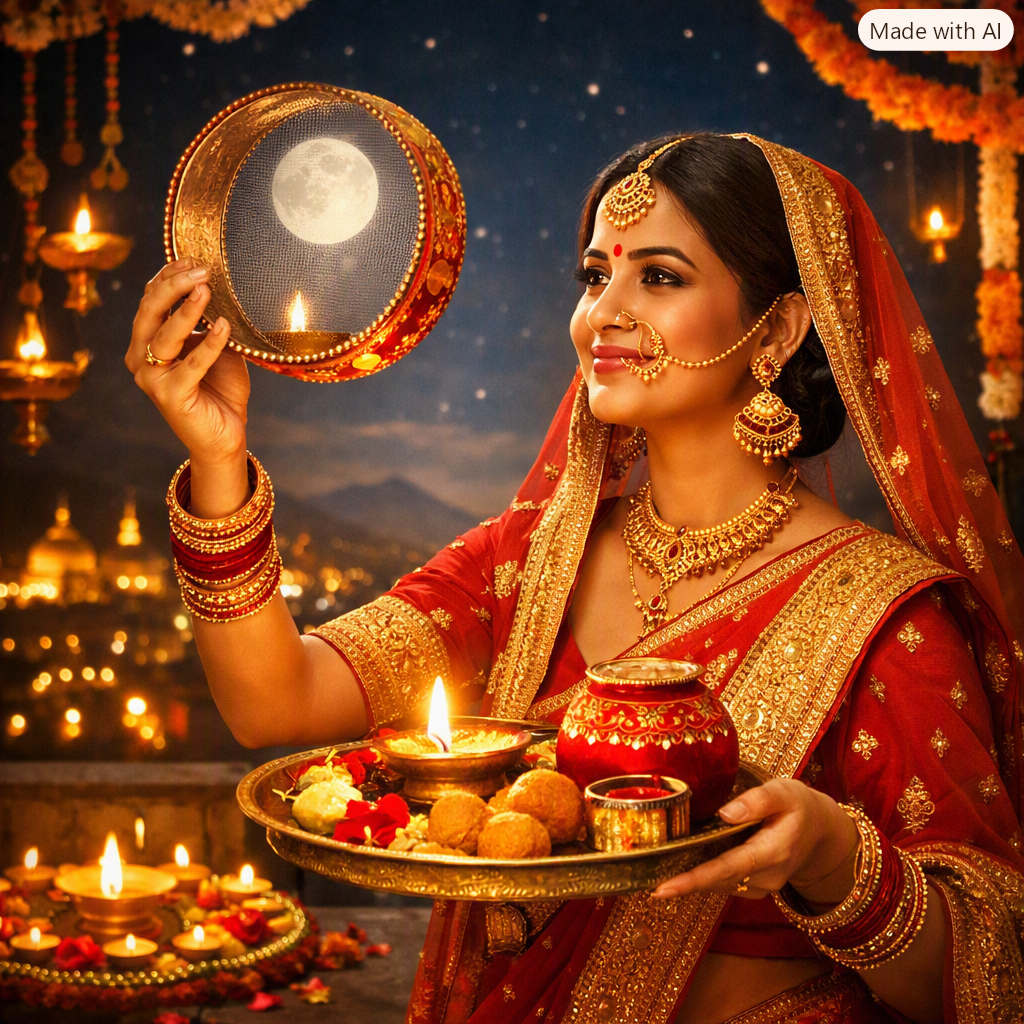
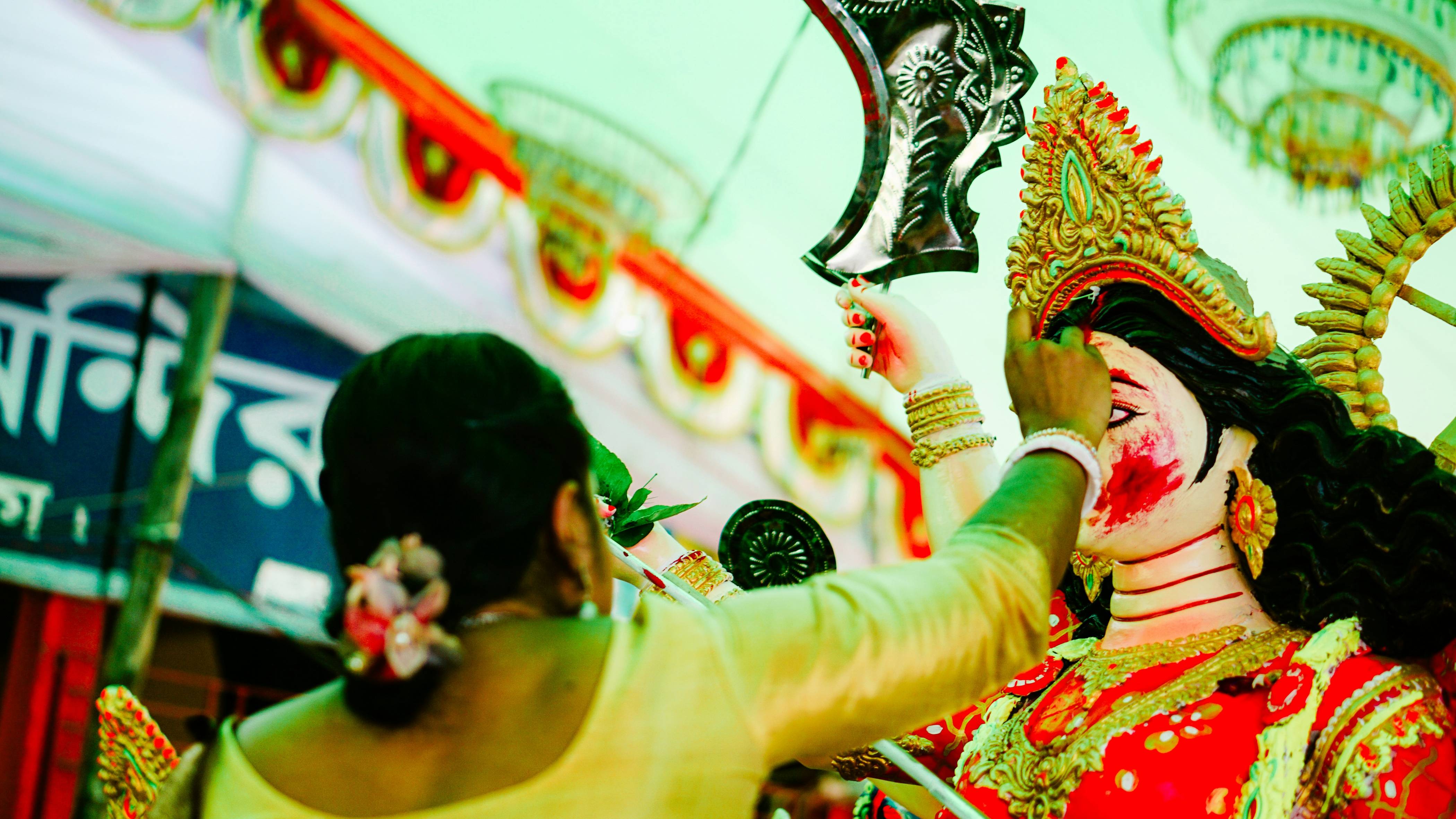
The Tilak and Aarti Ceremony: The heart of the festival involves the sister applying a ceremonial mark (tilak) made of vermilion (sindoor), sandalwood, or yogurt mixed with rice grains on her brother's forehead. The vermilion symbolizes longevity and well-being, while rice denotes prosperity. The sister then waves a lit lamp (aarti) in a circular motion to ward off negative energies and invite divine protection.
Exchanging Sweets and Gifts: Sisters feed their brothers traditional sweets (such as laddus or barfis), and in return, brothers bestow gifts, cash, or tokens of appreciation as a promise of lifelong protection and care.
Regional Variations Across India
While the core essence remains identical, different regions celebrate Bhai Dooj under unique local customs:
Maharashtra and Goa (Bhau Beej): Sisters prepare specialized sweet delicacies like puran poli or shrikhand for their brothers.
West Bengal (Bhai Phonta): Sisters observe a morning fast until the phonta (tilak) ceremony is successfully completed using sandalwood paste and sacred chants.
References
Pernia’s Pop-Up Shop. (2026). Bhai Dooj - The Deep Symbolism Behind It. https://www.perniaspopupshop.com/about-occasions/bhai-dooj
redBus. (2025). Bhai Dooj 2025: History, Cultural Significance and Muhurat. https://www.redbus.in/festivals/bhai-dooj
LoveNspire. (2025). Significance of Bhai Dooj Festival: Celebrate Sibling Love, Meaning, Rituals. https://lovenspire.com/blogs/lovenspire-blog-corner/bhai-dooj-celebration-2025-meaning-rituals-and-heartfelt-wishes-for-sibling-bond
Pujayagna. (2026). Significance and Legend of Bhai Dooj Festival. https://pujayagna.com/blogs/hindu-festivals/bhai-dooj-festival
Unacademy. (2026). Details Of Bhai Dooj - History, Rituals, and Significance. https://unacademy.com/content/upsc/study-material/indian-society/bhai-dooj/
Astroyogi. (2025). Bhai Dooj Story and Rituals You Should Know. https://www.astroyogi.com/blog/bhai-dooj-story-and-rituals.aspx