

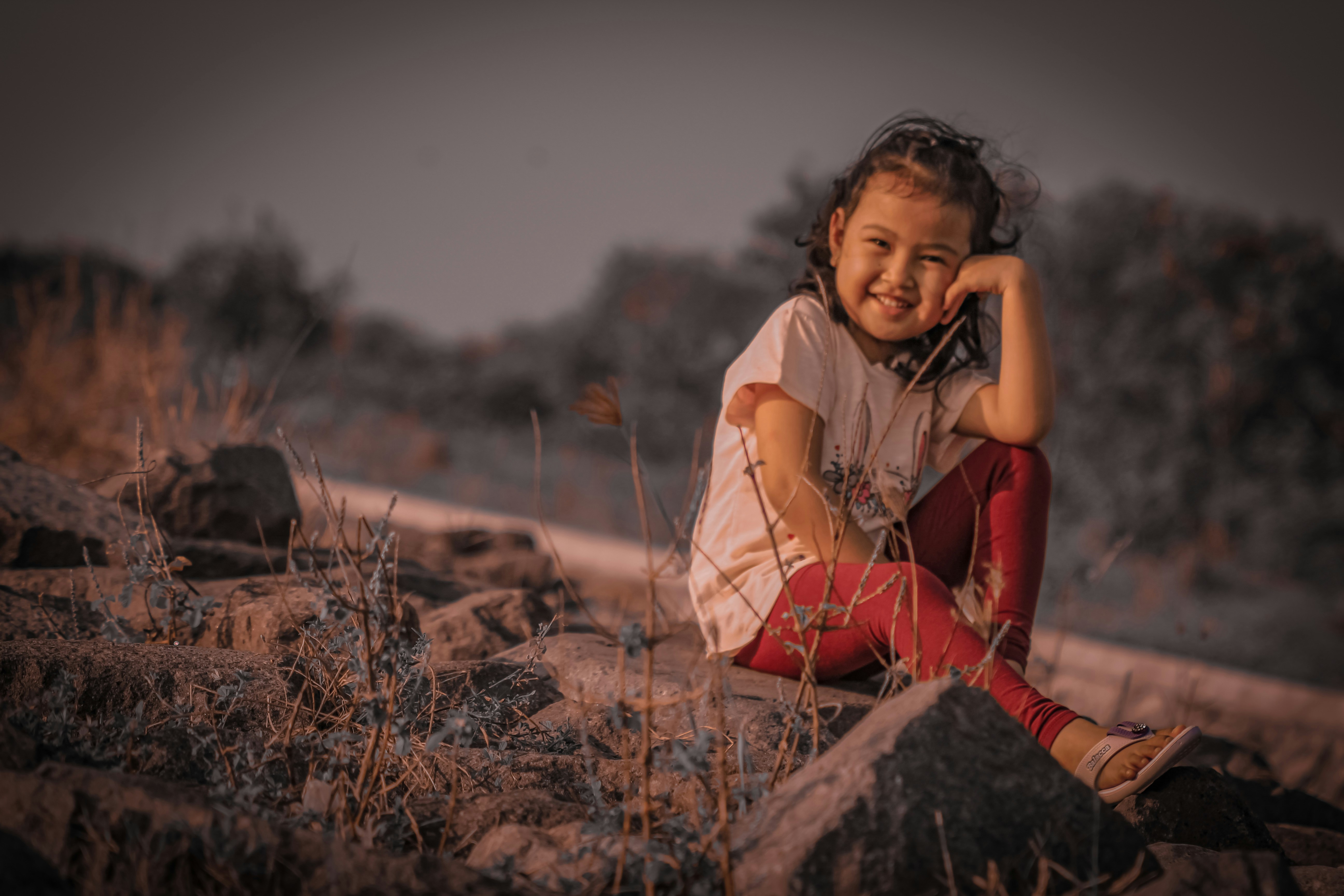
Empowering Girls, Protecting Rights, and Shaping the Future
Introduction to the International Day of the Girl Child
Observed annually on October 11th, the International Day of the Girl Child is a vital global observance established by the United Nations to recognize girls' rights and the unique challenges they face around the world. This international day focuses attention on the need to address the challenges girls face and to promote girls' empowerment and the fulfillment of their human rights. Across the globe, governments, community organizations, and advocates use this day to champion gender equality, education, and safety for girls everywhere.
Historical Origin and UN Designation
The journey toward establishing a dedicated global day for girls was driven by international advocacy and a growing recognition of gender-specific vulnerabilities:
The UN Resolution: In December 2011, the United Nations General Assembly adopted Resolution 66/170 to declare October 11 as the International Day of the Girl Child.
Global Objectives: The day was created to raise awareness of gender inequality faced by girls globally—including areas such as access to education, nutrition, legal rights, medical care, and protection from discrimination and violence.
The Power of Education and Leadership
Investing in girls has a multiplier effect that benefits entire families, communities, and national economies:
Breaking the Cycle of Poverty: When girls receive quality education, they are more likely to secure fair employment, delay marriage, and contribute meaningfully to economic growth.
Building Future Leaders: Encouraging girls in Science, Technology, Engineering, and Mathematics (STEM), public policy, and entrepreneurship cultivates a diverse generation of visionary leaders capable of solving complex global problems.
Health and Well-Being: Educated girls are better equipped to make informed decisions regarding their reproductive health, nutrition, and personal safety.
Persistent Challenges Facing Girls Worldwide
Despite significant progress in recent decades, millions of girls continue to face severe systemic barriers:
Child Marriage and Forced Labor: Millions of underage girls are pulled out of school prematurely and forced into domestic labor or early marriage, robbing them of their childhood and potential.
Digital and Educational Gaps: In many developing regions, unequal access to digital technologies, secondary schools, and safe learning environments limits girls' career readiness.
Gender-Based Violence: Protecting girls from physical abuse, harassment, and societal discrimination remains an urgent global priority requiring robust legal frameworks and enforcement.
Actionable Steps: Supporting Girls Every Day
Empowering the next generation of women requires consistent commitment from families, communities, and institutions:
Mentorship and Advocacy: Providing safe spaces, mentorship programs, and strong advocacy networks helps girls build self-esteem and resilience.
Equal Opportunities at Home: Encouraging boys and girls to share household responsibilities equally and treating them with identical ambition fosters a culture of mutual respect.
A Shared Global Commitment
The International Day of the Girl Child is much more than a symbolic date; it is an active call to action. By dismantling systemic barriers, guaranteeing universal education, and uplifting girls' voices, society paves the way for a more equitable, just, and prosperous future for all.