

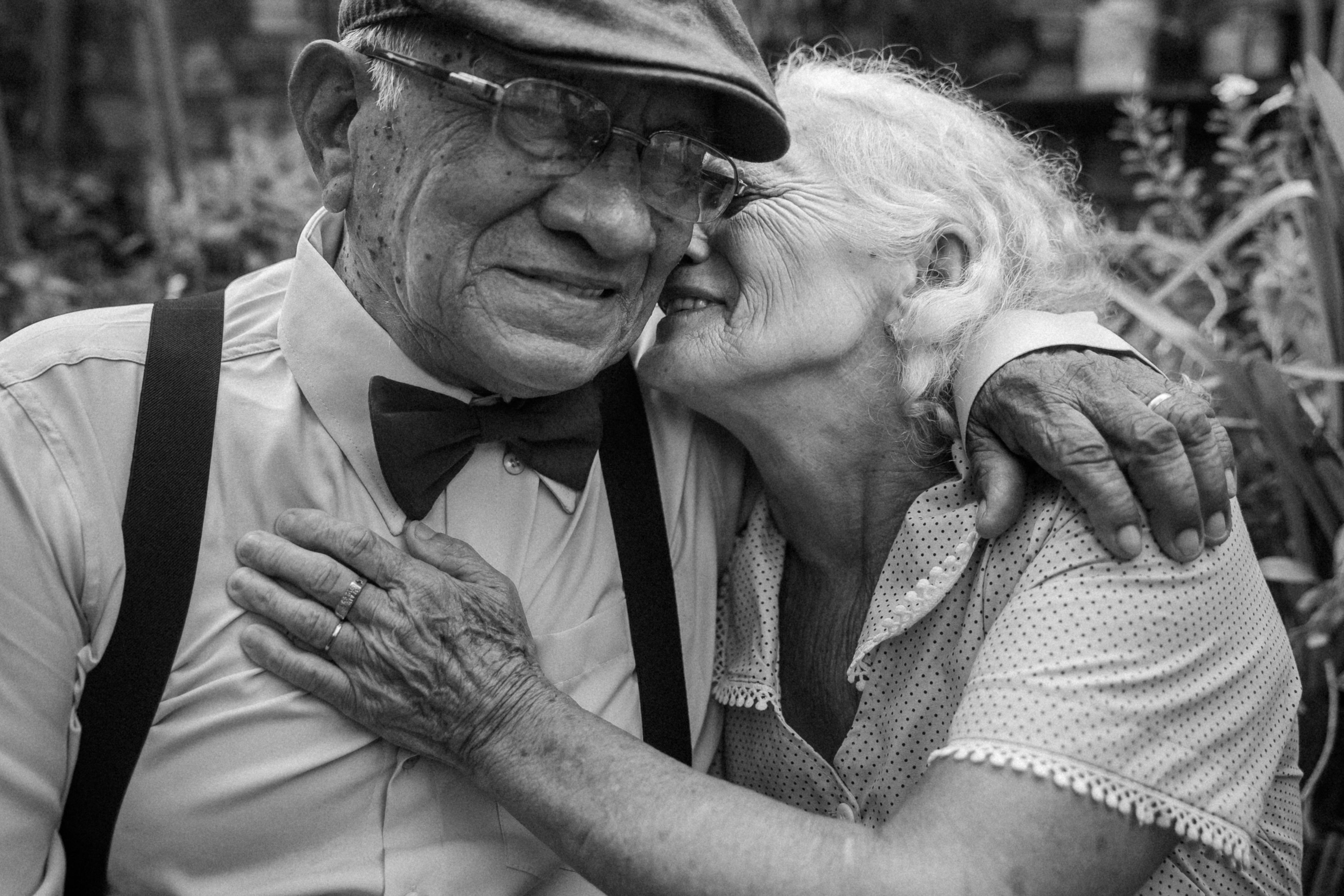
International Day of Older Persons: Honoring Wisdom, Rights, and Longevity
Introduction to the International Day of Older Persons
Observed globally on October 1st each year, the International Day of Older Persons is a dedicated global event established to recognize the invaluable contributions of senior citizens, acknowledge their wisdom, and address the critical challenges they face. Formally designated by the United Nations General Assembly, this day serves as a powerful reminder that older individuals are not merely passive recipients of care, but active, contributing members of society whose human rights, dignity, and well-being must be systematically protected.
Historical Background and Global Purpose
The journey toward a dedicated global day for seniors began with growing international recognition of demographic shifts worldwide.
The UN Resolution: In December 1990, the United Nations General Assembly voted to designate October 1 as the International Day of Older Persons, following earlier milestones like the Vienna International Plan of Action on Ageing.
Core Objectives: The primary objective of the observance is to raise awareness about opportunities and challenges associated with population aging, mobilize community support, and encourage governments to implement inclusive policies that safeguard the health, economic security, and social independence of older populations.
Recognizing the Wisdom and Intergenerational Value
Beyond policy frameworks, the International Day of Older Persons highlights the deep cultural and social bonds that tie generations together:
Preserving Heritage and Values: Through storytelling, lived experiences, and personal example, elders pass down cultural heritage, traditions, and moral grounding to younger generations.
Mentorship and Guidance: The practical skills and historical perspective held by older adults provide a steady compass for youth navigating real-world challenges. Fostering active communication between Gen Z, millennials, and seniors creates a compassionate, resilient society.
Key Challenges Faced by Aging Populations
While people are living longer than ever before, longevity brings unique vulnerabilities that require urgent societal attention:
Social Isolation and Loneliness: Many older adults experience isolation due to changing family structures, geographical dispersion, and retirement, making emotional companionship vital.
Healthcare and Accessibility: Ensuring affordable, specialized geriatric care, mental health support, and mobility assistance remains a pressing priority for healthcare systems worldwide.
Economic Security: Protecting older adults from financial insecurity, elder abuse, and neglect requires robust social protection frameworks and legal safety nets.
Collective Responsibility: How Society Can Support Seniors
Honoring older persons extends beyond a single calendar date; it calls for daily action and systemic commitment:
Empowerment and Inclusion: Involving seniors in family and community decision-making ensures their voices and aspirations remain heard and respected.
Age-Friendly Infrastructure: Designing accessible public spaces, healthcare facilities, and digital literacy programs enables older adults to navigate modern life with independence and confidence.
Celebrating a Life of Dignity
By fostering inclusive communities and building robust systems for longer lives, we ensure that aging is celebrated as a natural, respected phase of human development—enriching society with grace, wisdom, and continuity.