

Importance, History, and Public Health Impact
Introduction to Global Handwashing Day
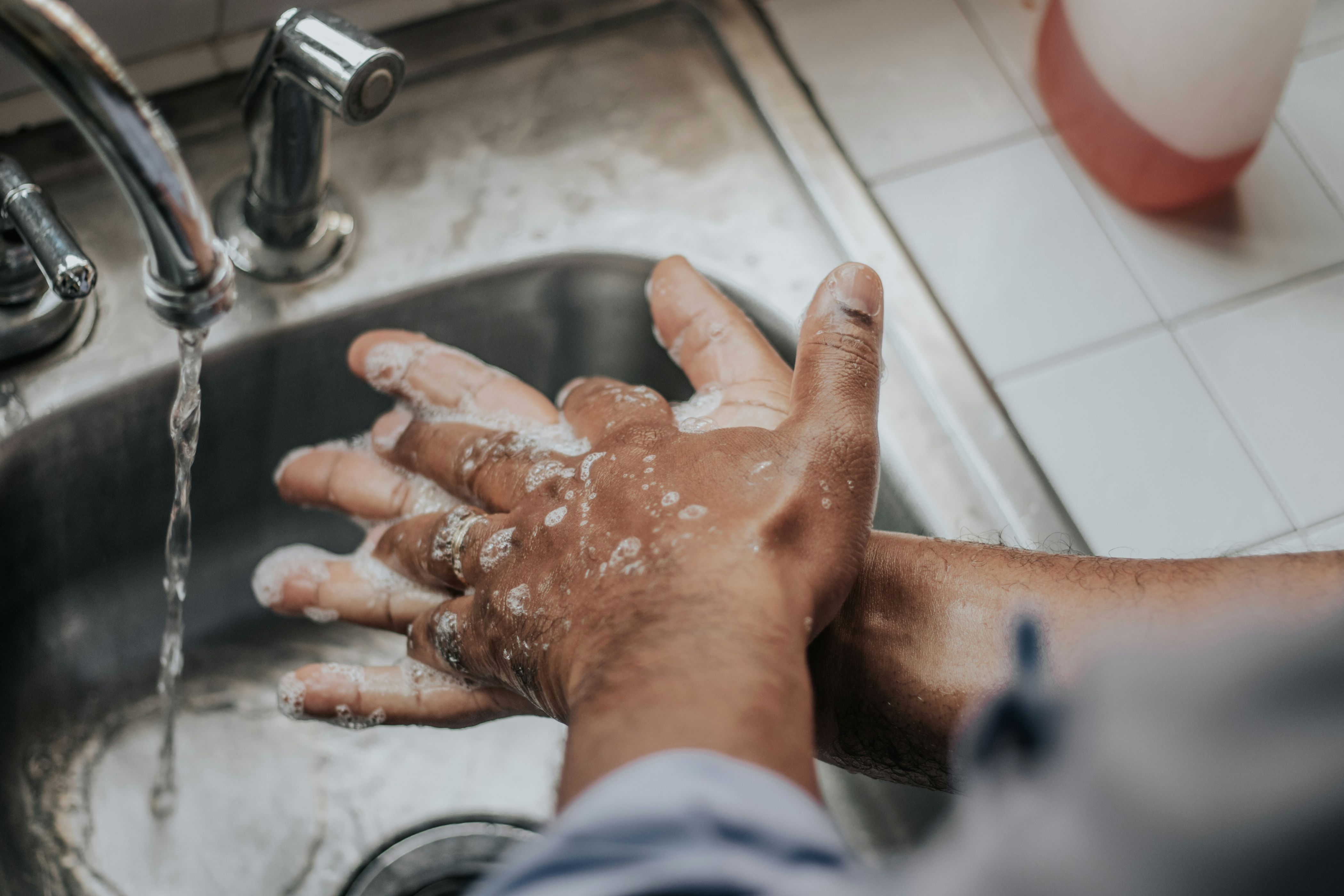
Observed annually on October 15th, Global Handwashing Day is an international campaign dedicated to advocating for handwashing with soap as an easy, effective, and affordable way to prevent diseases and save lives. First launched in 2008 by the Global Handwashing Partnership, this day serves as a critical focal point for public health advocacy, uniting schools, communities, governments, and international organizations behind the simple act of clean hands.
Historical Background and Global Objectives
The journey toward establishing a dedicated day for hand hygiene emerged from urgent public health data regarding preventable childhood illnesses:
Inception in 2008: The initiative was originally created for the International Year of Sanitation by the Global Handwashing Partnership to spotlight the critical gap between hygiene awareness and actual practice.
Core Purpose: The day aims to foster a global and local culture of handwashing with soap, highlight the state of hand hygiene in various countries, and raise awareness about the benefits of clean hands in stopping the transmission of pathogens.
The Public Health Impact: Why Handwashing Matters
Washing hands with soap and water acts as a natural, highly effective barrier against a wide array of infectious diseases:
Preventing Diarrheal Diseases: Proper hand hygiene significantly reduces the incidence of diarrhea, which remains a leading cause of mortality among young children in developing nations.
Combating Respiratory Infections: Simple hygiene habits cut down the spread of respiratory illnesses like the common cold, influenza, and pneumonia by removing pathogens transferred via contaminated surfaces and hands.
Reducing Antibiotic Resistance: By preventing primary infections naturally through hygiene, handwashing helps decrease the overuse and misuse of antibiotics.
Key Challenges in Hygiene Access
Despite its proven effectiveness, hand hygiene remains a luxury for millions of people worldwide who lack basic infrastructure:
Infrastructure Deficits: Many schools, healthcare facilities, and low-income households lack reliable access to running water, soap, and functional handwashing stations.
Behavioral Consistency: Even where facilities exist, turning handwashing into an automatic, habitual practice requires continuous community education and school-based hygiene programs.
How Communities and Institutions Observe the Day
Global Handwashing Day is marked worldwide through creative, educational, and action-oriented initiatives:
School Outreach Programs: Teachers and public health workers conduct interactive workshops, handwashing demonstrations, and song-and-dance activities to teach children proper hygiene techniques.
Public Infrastructure Investment: Governments and non-profits often use the occasion to inaugurate new handwashing stations in public parks, markets, and rural schools.
Digital Campaigns: Social media campaigns amplify hygiene education under specific annual themes, driving global participation and policy commitments.
Clean Hands Save Lives
Global Handwashing Day is much more than a routine health reminder; it is a vital public health intervention. By investing in clean water infrastructure, promoting daily hygiene habits, and educating the younger generation, society can drastically reduce preventable illnesses and secure a healthier future for all.